

More
Checking your session
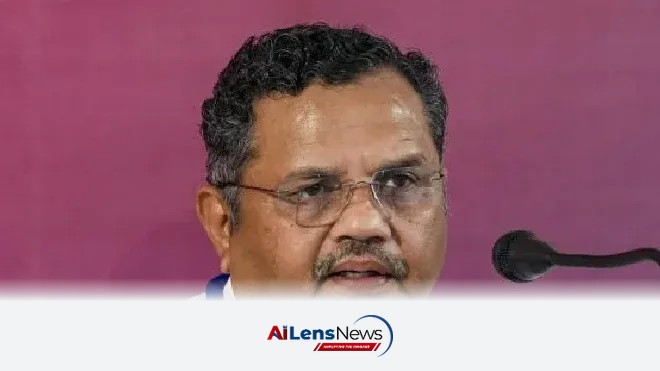



The RSS asserts that the recent Jantar Mantar protests reflect systemic failures rather than just corruption, urging collaborative solutions from government and society.
Kohima, India Aug 22, 2026 ALN: VISAKHAPATNAM, AUG 21: The Jantar Mantar protests reflect “failures” in the system and cannot be seen merely as an issue of corruption, the RSS said on Friday, asserting that the government must take steps to address these gaps.
Addressing a press conference at the end of the Sangh’s three-day coordination committee meeting, RSS leader C R Mukunda emphasized that while there are shortcomings in systems across the country, change cannot be brought through disruption or destruction. This statement comes in the wake of increasing public discontent, particularly among the youth, regarding various systemic issues in education, employment, and governance.
The meeting discussed the recent protests in the national capital as a symptom of a larger problem, he said, adding that the government must respond to concerns that extend beyond individual issues such as NEET (National Eligibility cum Entrance Test). NEET has been a recurring flashpoint in discussions about educational reform in India, as it is seen by many as a gatekeeper to higher education and a source of significant stress for students and their families.
Asserting that education, employment, and aspirations in a rapidly changing society are all part of the wider conversation, he noted that in view of challenges, issues must be handled constructively, and society and the government must collaborate. The RSS’s emphasis on collaboration reflects a growing recognition that tackling systemic issues requires a multifaceted approach involving multiple stakeholders, including the government, educational institutions, civil society, and the youth themselves.
In response to questions regarding the recent protests at Jantar Mantar, Mukunda stated that the protests indicated that the matter goes beyond corruption, highlighting broader administrative and institutional shortcomings. This perspective suggests that the protests are not merely about specific grievances but rather indicative of a deeper malaise within the governance framework of the country.
“So, Sangh and our all inspired organisation wants the systems to run in a good way. So to do that, the government has to take some steps, and society also has to be awakened to set right the system,” he said.
Further, he addressed the concerns of the youth community, stating that one of the issues is their anxiety regarding systemic failures, whether related to NEET or other matters. This acknowledgment of youth anxiety is crucial, as it highlights the need for a responsive and responsible approach from both the government and society to address these concerns. The increasing pressures on students, coupled with the competitive nature of entrance examinations, have led to heightened levels of stress and dissatisfaction among young people.
“It is not just about NEET or just one government; there are various shortcomings in systems across the country,” he added, urging both the government and society to work together to overcome these challenges. This call for unity in addressing systemic issues reflects a broader trend in Indian society, where citizens are increasingly demanding accountability and responsiveness from their leaders.
Mukunda reiterated that change cannot be achieved through disruption or destruction, advocating for a constructive approach to fixing systemic issues. His emphasis on constructive engagement suggests a desire for dialogue and collaboration rather than confrontation, which could lead to more sustainable solutions to the problems at hand.
He highlighted the concerns and anxieties of the youth community, emphasizing the need for understanding and action from both society and the government. The RSS's focus on youth issues underscores the importance of this demographic in shaping the future of the country, particularly as they represent a significant portion of the electorate and are critical to the nation’s workforce.
On the broader context of tackling drug peddling, he mentioned that while the government is making efforts, society also needs to act. This statement reflects a growing awareness of the multifaceted nature of social issues, where government action alone may not suffice without community involvement and support. The call for societal action against drug peddling is particularly pertinent given the rising concerns about substance abuse among youth and its implications for public health and safety.
The Cockroach Janta Party’s protest at Jantar Mantar began on June 20 over alleged irregularities in examinations, including NEET. They demanded the resignation of Education Minister Dharmendra Pradhan and accountability for alleged exam irregularities. The protests were marked by a significant mobilization of youth, many of whom felt that their futures were being jeopardized by a flawed examination system.
The CJP's protest, which received support from various political and civil society leaders, was called off on July 25, 2026, after Pradhan resigned and the government accepted their demands, marking a significant victory for the unprecedented youth-led movement. This outcome highlights the potential power of organized dissent and the capacity of young people to influence political outcomes when they mobilize collectively around shared grievances.
The Jantar Mantar protests, therefore, serve as a critical reminder of the importance of addressing systemic failures in governance and the need for a collaborative approach to reform. The RSS’s comments reflect a broader recognition that the challenges facing Indian society today require not only government action but also active participation from citizens, particularly the youth, to create a more equitable and responsive system.
As the discourse around these systemic issues continues to evolve, it remains to be seen how both government and society will respond to the calls for change articulated by the youth and organizations like the RSS. The implications of these protests could shape future policy directions and the relationship between the government and its citizens, particularly in the realm of education and employment.
To learn more about the latest developments in Political Controversies, stay updated with our exclusive reports and analyses on AILensNews.

Uttar Pradesh Assembly Speaker Satish Mahana faces backlash for leaving the dais…

The Naga Students’ Federation calls for a dedicated authority to enforce the Inn…

The BJP has criticized the Congress for its decision to sing only two stanzas of…
The Congress party demands a review of the E20 fuel policy, citing increased cos…

A political party emphasizes the importance of youth involvement to strengthen i…