

More
Checking your session
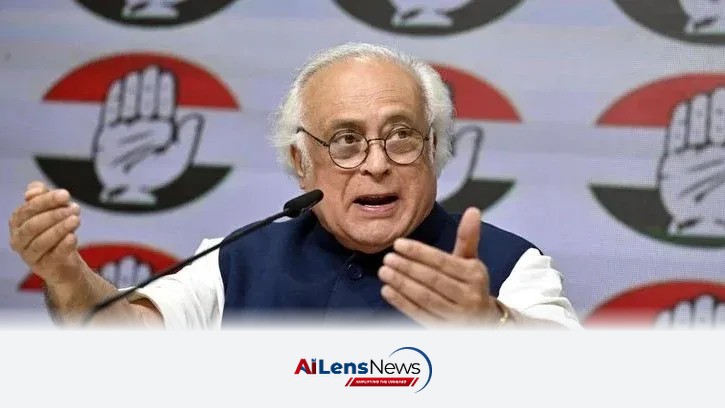



The Congress party demands a review of the E20 fuel policy, citing increased costs for consumers and vehicle owners, and claims it is an 'anti-people' initiative.
Kohima, India Aug 22, 2026 ALN: NEW DELHI, AUG 21: The Congress party has strongly criticized the Modi government, demanding an immediate review of the E20 fuel policy. They argue that this policy is 'anti-people,' leading to increased costs for both vehicle operation and kitchen expenses. This call for a review comes amid rising inflation and concerns over the availability of essential commodities, which the Congress party attributes to the government’s decision to promote ethanol blending in fuel.
The E20 fuel policy, which aims to blend 20% ethanol with petrol, was introduced as part of India's broader strategy to reduce dependence on fossil fuels and promote renewable energy sources. Ethanol, primarily derived from sugarcane, has been touted as a more environmentally friendly alternative to traditional fossil fuels. However, the Congress party contends that the implementation of this policy has not been well thought out and has resulted in negative consequences for consumers.
Congress general secretary in-charge of communications, Jairam Ramesh, shared a media report on X, highlighting a significant rise in sugar prices—up 40% in three months—along with increases in jaggery (24%), rice (16%), and maize flour (11%). These price hikes have sparked public outcry and have raised questions about the government’s economic management, particularly in light of the E20 policy.
Ramesh stated, “Due to the Modi government’s shortsighted and anti-people E20 policy, inflation is rising, while vehicle owners are suffering from reduced mileage and potential vehicle damage.” He emphasized that the public is bearing the brunt of these decisions both on the roads and in their kitchens. The concerns raised by the Congress party highlight the complex interplay between energy policy and food security, an issue that has profound implications for the average consumer.
Critics of the E20 policy argue that diverting sugarcane and grain to produce ethanol for a 20% blend with petrol would inevitably lead to shortages of these commodities. This is particularly concerning in a country like India, where a significant portion of the population relies on agriculture for their livelihoods and food security. Furthermore, vehicles not designed to handle a 20% ethanol mix risk damage, and without proper testing, mileage is adversely affected. This raises questions about the adequacy of the regulatory framework governing fuel standards in India.
Ramesh noted that approximately 25 lakh tonnes of sugar-grade sugarcane have been diverted to ethanol production, resulting in a price surge for sugar from Rs 48 to Rs 67 per kg and jaggery from Rs 50 to Rs 65 per kg. The prices of rice and maize flour have also increased by 16% and 11%, respectively, while animal feed costs have risen by 10.34%. These figures illustrate the ripple effect that a shift in fuel policy can have on the broader economy, particularly for low-income families who spend a larger proportion of their income on food.
He criticized the government for maximizing profits for ethanol producers at the expense of vehicle owners, who now face limited fuel choices and ongoing concerns about mileage and compatibility with E20 fuel. The shift towards ethanol blending was initially framed as a way to support domestic agriculture and reduce carbon emissions, but the current criticisms suggest that the policy may not be delivering the intended benefits to consumers.
Despite a drop in international crude oil prices and potential savings from blending ethanol, Ramesh noted that petrol prices have not decreased, raising further questions about the government's intentions. This discrepancy has led to skepticism regarding whether the E20 policy is truly about reducing costs for consumers or primarily about benefiting certain sectors of the economy.
Rahul Gandhi, the Leader of the Opposition in the Lok Sabha, has consistently highlighted alleged corruption surrounding the E20 policy. On August 19, the Congress Working Committee expressed concerns regarding reduced mileage, compatibility risks, limited consumer choices, and environmental damage caused by the E20 initiative. The allegations of corruption add another layer of complexity to the debate, suggesting that political motivations may be at play in the push for ethanol blending.
Ramesh asserted, “The public is paying the price through both expensive food and costly travel due to the flawed decisions of the arrogant Modi government.” He reiterated the demand for an immediate review of the E20 policy, insisting that the public should have access to non-ethanol fuel options. This reflects a broader concern over consumer rights and the need for transparency in government policy-making.
In a resolution passed at a recent meeting, the Congress Working Committee reiterated its concerns over E20’s lower mileage, compatibility risks, and the loss of consumer choice. They also flagged unresolved issues related to fuel contamination and the environmental costs of diverting sugarcane and maize for ethanol blending. The implications of these concerns are significant, as they touch on issues of sustainability, economic equity, and the future of energy policy in India.
As the Congress continues to raise concerns over the E20 rollout, they argue that the motivations behind the policy are not genuinely environmental and that a truly 'green' fuel policy must consider the entire ecological footprint of the fuel it promotes. This perspective invites a broader discussion about the role of government in managing the transition to renewable energy and the potential trade-offs that come with such policies.
To learn more about the latest developments in Political Controversies, stay updated with our exclusive reports and analyses on AILensNews.

Uttar Pradesh Assembly Speaker Satish Mahana faces backlash for leaving the dais…

The Naga Students’ Federation calls for a dedicated authority to enforce the Inn…

The BJP has criticized the Congress for its decision to sing only two stanzas of…

The RSS asserts that the recent Jantar Mantar protests reflect systemic failures…

A political party emphasizes the importance of youth involvement to strengthen i…