

More
Checking your session
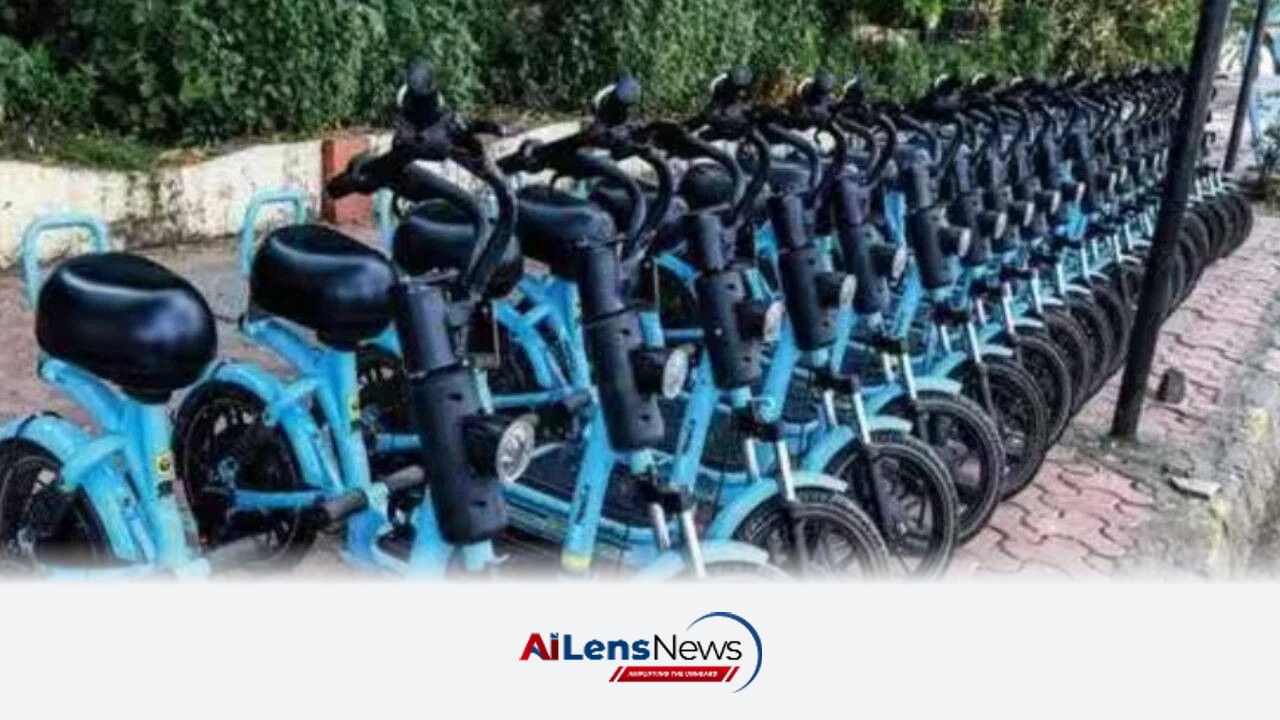



The Ministry of Road Transport aims to enhance safety standards for low-speed electric cycles and e-bikes, mandating certification from authorized agencies.
New Delhi, India Aug 29, 2026 ALN: The Ministry of Road Transport has announced a proposal to tighten regulations surrounding low-speed electric cycles and e-bikes. These vehicles, which are defined as having a maximum speed of 25 km/h and a motor power of less than 600 watts, will now be subject to stricter technical and safety norms. This initiative comes in response to the increasing popularity of e-cycles and e-bikes, which have surged in use due to rising urban congestion, environmental concerns, and a shift towards sustainable transportation options.
Under the proposed regulations, manufacturers of e-cycles and e-bikes will be required to obtain certification from authorized testing agencies. This step is crucial for these vehicles to qualify for an exemption from the Motor Vehicles Act, allowing them to be classified as “motor vehicles.” The certification process is expected to involve rigorous testing to ensure that these vehicles meet newly established safety and technical standards, including aspects such as braking systems, structural integrity, and battery safety.
The move aims to enhance safety standards and ensure that these vehicles meet specific technical requirements before they can be sold to consumers. The government believes that implementing these norms will not only improve safety for riders but also for pedestrians and other road users. With the rise in e-bike usage, there have been increasing reports of accidents and safety concerns, prompting a call for more stringent regulations to ensure that these vehicles are safe for everyday use.
Manufacturers will need to adapt to these new regulations, which may involve additional costs and changes to their production processes. The certification process will require them to demonstrate compliance with the new safety standards, which could lead to delays in bringing products to market. This could particularly impact smaller manufacturers who may not have the resources to navigate the new regulatory landscape as easily as larger companies.
Industry experts have expressed mixed feelings about the proposed changes. While some believe that enhanced safety standards are necessary to protect consumers and promote responsible usage, others worry that the increased regulatory burden could stifle innovation and growth in the e-cycle and e-bike sector. The balance between safety and innovation is a delicate one; overly stringent regulations may deter new entrants into the market, thus limiting consumer choices and slowing technological advancements.
The public response to the proposed regulations has been varied. Some consumers welcome the move, citing safety concerns, while others fear that stricter regulations may lead to higher prices and reduced accessibility to these eco-friendly transportation options. Many advocates for sustainable transport argue that while safety is paramount, it is equally important to ensure that e-cycles and e-bikes remain affordable and accessible to a broad range of consumers.
As the government moves forward with these proposals, it will be essential to balance safety with the need for innovation in the rapidly growing electric vehicle market. Stakeholders from various sectors will need to engage in discussions to ensure that the final regulations support both safety and the growth of the e-cycle and e-bike industry. This includes input from manufacturers, consumer advocacy groups, urban planners, and safety experts, all of whom have a vested interest in the future of transportation.
In conclusion, the proposed tightening of norms for e-cycles and e-bikes represents a significant shift in how these vehicles are regulated. The upcoming months will be crucial as the government finalizes these regulations and their implications for manufacturers and consumers alike. The outcome of this process will likely set a precedent for how similar vehicles are treated in the future and could impact the overall trajectory of the electric vehicle market. As urban areas continue to grapple with congestion and environmental challenges, the role of e-cycles and e-bikes as a viable transportation alternative will depend heavily on the regulatory framework established in the coming months.
To learn more about the latest developments in Policies & Reforms, stay updated with our exclusive reports and analyses on AILensNews.

Recent glacial lake outburst floods in Nepal highlight the need for immediate ri…

The Supreme Court has mandated timely completion of dowry case trials and called…
The Delhi Lakshmi Yojana, launched by CM Rekha Gupta, provides eligible women wi…

The Trump administration's proposed fee increase for H-1B visas could significan…

In a bold move, President Trump has announced a 100% tariff on certain drone imp…