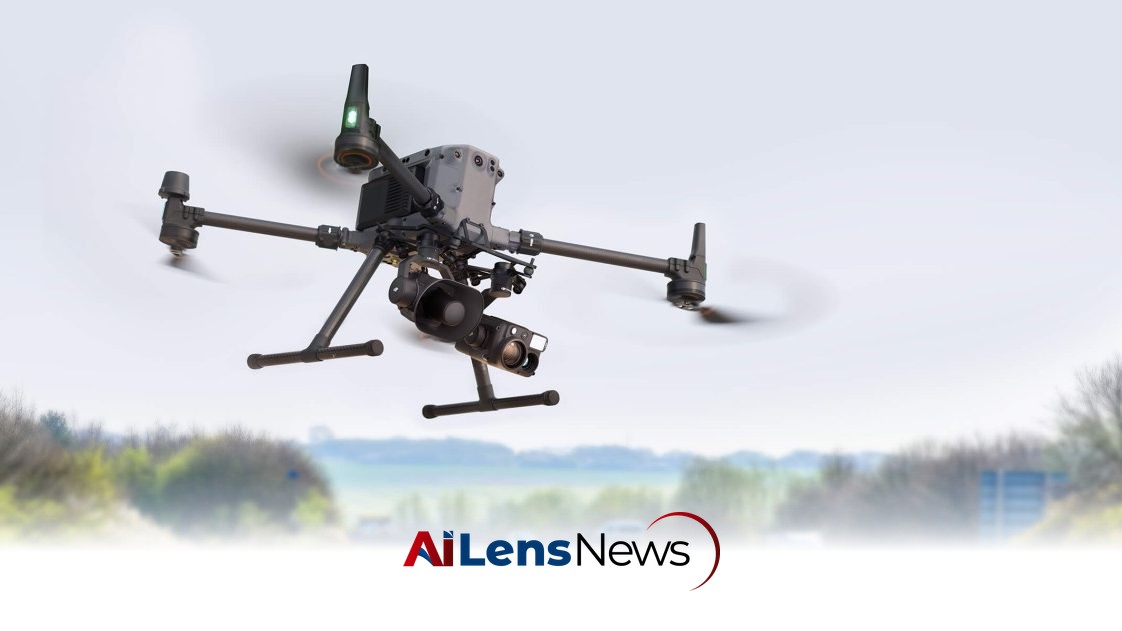


In a bold move, President Trump has announced a 100% tariff on certain drone imports and parts, aiming to bolster domestic manufacturing and address national security concerns.
Washington DC, United States Aug 14, 2026 ALN: The United States has taken significant steps to control the influx of foreign drones and their components, reflecting a growing concern over national security and economic independence in the drone manufacturing sector. In an effort to bolster domestic production and reduce reliance on foreign technology, President Donald Trump has expanded existing regulations by imposing a staggering 100% tariff on imports of drones equipped with thermal cameras and unmanned aircraft weighing over 25 kilograms (57 pounds) along with their components. For smaller drones, including popular consumer models that weigh less than 250 grams, a 25% tariff has been established.
This move is part of a broader strategy to ensure that the United States can maintain its competitive edge in the rapidly evolving field of unmanned aerial systems (UAS). The decision to impose such high tariffs is rooted in concerns that many U.S. manufacturers are overly reliant on foreign suppliers for critical components. This reliance creates vulnerabilities that could be exploited in times of conflict or crises, raising alarms among national security officials.
Moreover, the tariffs come with a notable loophole: companies that commit to manufacturing a portion of their drones or components within the United States can avoid these tariffs altogether. This tactic is reminiscent of previous tariff threats made by Trump regarding computer chips, emphasizing a consistent approach to incentivizing domestic production. By offering companies a way to sidestep the tariffs, the administration aims to stimulate local manufacturing while simultaneously addressing security concerns.
In an effort to foster international cooperation, the administration has also established reduced tariff rates for certain allied countries. Specifically, nations such as the European Union, Japan, Liechtenstein, South Korea, Switzerland, and Taiwan will benefit from a lowered tariff rate of 15%, while the United Kingdom will enjoy an even lower rate of 10%. However, these reduced rates are contingent upon the stipulation that the majority of the technology originates from these nations in conjunction with the United States. This approach not only aims to strengthen trade relations with allies but also encourages the development of a more robust supply chain that is less dependent on adversarial nations.
The rationale behind the new tariffs is multifaceted. Firstly, the administration argues that the reliance on foreign sources for UAS components poses unacceptable national security vulnerabilities. With the increasing prevalence of drones in both commercial and military applications, the potential for foreign entities to exploit software vulnerabilities or gain access to sensitive data has become a pressing concern. The software used in many drones allows for data transmission back to manufacturers, which could lead to the compromise of sensitive information.
Secondly, there are growing concerns regarding the U.S. industry's capacity to produce UAS and components quickly enough to support national security operations, particularly during times of conflict. The ability to manufacture drones domestically is seen as crucial for maintaining a competitive edge in military technology and ensuring that the U.S. can respond effectively to emerging threats.
In conjunction with these tariffs, President Trump has proposed incentives aimed at encouraging new investments in U.S. production facilities for UAS and components. However, skepticism persists regarding the effectiveness of these incentives. Critics argue that previous government initiatives have primarily focused on military applications, leaving commercial sectors underfunded and underdeveloped. This raises questions about whether the proposed incentives will truly lead to a significant increase in domestic production capabilities.
The backdrop to these developments is complex. Earlier in the year, the Supreme Court ruled that Trump's global tariffs were illegal, a decision that was echoed by the U.S. Court of International Trade. Despite these legal setbacks, President Trump has continued to announce additional tariffs, indicating a steadfast commitment to his trade policy agenda. This situation creates a paradox where tariffs designed to protect American industry may ultimately lead to increased costs for consumers. As companies often raise prices to cover the cost of tariffs, the financial burden may fall disproportionately on everyday consumers, who may not see corresponding benefits from the government’s tariff policies.
Furthermore, the implications of these tariffs extend beyond economic considerations. The Federal Communications Commission (FCC) has recently threatened to retroactively ban “military-grade” drones, a classification that could inadvertently affect a wide range of drones used for agricultural purposes, emergency services, and entertainment. This regulatory approach raises concerns about the potential overreach of government authority and the unintended consequences of policies aimed at national security.
In conclusion, the imposition of 100% tariffs on drones and aircraft parts marks a significant shift in U.S. trade policy, reflecting a growing emphasis on national security and domestic manufacturing. While the administration argues that these measures are necessary to protect American interests, the long-term implications for consumers, international trade relations, and the broader drone industry remain to be seen. As the landscape of drone technology continues to evolve, the balance between security and economic viability will be crucial in shaping the future of U.S. manufacturing and its role in the global market.
To understand the broader implications of these tariffs, it is essential to consider the current state of the drone industry. The global drone market has been experiencing exponential growth, driven by advancements in technology and increasing applications across various sectors including agriculture, logistics, surveillance, and entertainment. The U.S. has historically been a leader in drone technology, but the rapid development of UAS capabilities in countries like China has raised alarms about maintaining technological superiority.
The imposition of tariffs can be seen as a strategic response to counteract foreign competition that threatens to undermine domestic manufacturers. However, it also raises questions about the potential for trade wars, particularly with nations that may retaliate with their own tariffs on U.S. goods. The interconnectedness of global supply chains means that tariffs can have far-reaching effects, impacting not just the drone industry but also related sectors such as electronics, manufacturing, and even agriculture, where drones are increasingly utilized for crop monitoring and management.
Moreover, the U.S. government’s focus on national security in relation to drone technology highlights a growing awareness of the dual-use nature of many technologies. Drones can serve both civilian and military purposes, and as such, the implications of their use and regulation are complex. The potential for surveillance and data collection raises ethical questions about privacy and civil liberties, particularly as drone technology becomes more integrated into everyday life.
As the U.S. government navigates these challenges, the balance between fostering innovation, protecting national security, and ensuring consumer protection will be critical. The administration's approach to tariffs and incentives will likely continue to evolve as stakeholders from various sectors voice their concerns and advocate for policies that support both economic growth and security.
In summary, the decision to impose 100% tariffs on drones and aircraft parts is a significant development that reflects broader trends in U.S. trade policy and national security strategy. While aimed at bolstering domestic manufacturing and reducing reliance on foreign technology, the long-term impact of these tariffs on consumers, industry, and international relations remains uncertain. As the drone industry continues to grow and evolve, the U.S. will need to carefully consider how to balance its security interests with the need for a competitive and innovative technological landscape.
To learn more about the latest developments in Policies & Reforms, stay updated with our exclusive reports and analyses on AiLensNews.

