

More
Checking your session
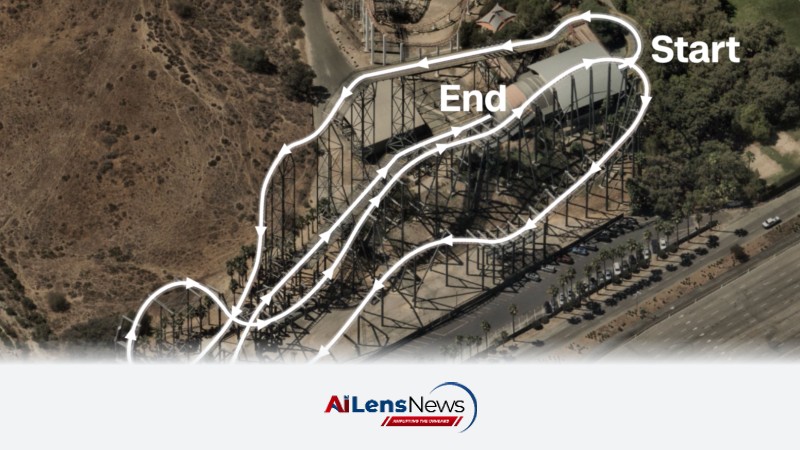



A CNN investigation uncovers serious brain injuries linked to the X2 roller coaster at Six Flags Magic Mountain, raising safety concerns.
Washington DC, United States Aug 28, 2026 ALN: In the span of less than a week this July, surgeons at a Southern California hospital raced to save the lives of two women suffering from alarmingly similar brain hemorrhages.
The severe injuries were the kind doctors encounter in patients after high-speed collisions or other violent accidents that cause the brain to twist and slam inside one’s skull.
Neither woman, however, had been involved in a crash, fall or other such incident.
Instead, they had ridden an extreme roller coaster at Six Flags Magic Mountain, known as X2, which draws thrill-seekers from around the world with its rotating seats, near-vertical drops and unpredictable movements. It has long been the park’s marquee attraction — promoted as a “[rite] of passage for the ultimate daredevil.”
But behind the ride’s legendary reputation lies a troubling record of serious injuries, a CNN investigation has found.
X2 has been linked to more than a dozen reports of serious injuries and hospitalizations over nearly two decades, a review of medical records, depositions and legal filings shows. Among the casualties are riders who suffered life-altering disabilities, fell into comas and two who died of their injuries. Park officials, meanwhile, have long fielded scores of complaints about other head and neck injuries sustained after riding the attraction, according to internal records cited by an expert witness for a plaintiff in court filings.
Yet despite years of warnings from the park’s visitors, attorneys and medical experts about the perils of riding X2, officials at the theme park – located in Valencia, California – and state regulators allowed the attraction to continue operating.
“I personally don’t think head injury should be an expected risk from going on a roller coaster ride, and there is no reason a ride can’t be properly designed to prevent injuries like this,” said Lyndia Wu, a mechanical engineering professor at the University of British Columbia who has researched the effects of roller coasters on the brain.
According to research by Wu and others, the risk of traumatic brain injuries associated with roller coasters is considered to be very low, though much of this research dates back many years and Wu told CNN there may be higher-risk rides that need to be further investigated, such as X2. Some high-profile cases from other attractions have involved those with suspected pre-existing conditions, such as a woman who died after riding the Goliath roller coaster at the same Six Flags location in 2001 when an aneurysm ruptured in her brain.
What makes X2 different from other roller coasters is its 4th-dimensional quality — meaning its seats are rotating 360 degrees around the track as trains reach speeds of nearly 80 miles per hour for roughly two minutes. There are only two other such roller coasters in the world: One in China, and the other in Japan, which closed temporarily last year after a fatal injury involving a park worker inspecting the ride.
Six Flags closed the roller coaster the evening of July 12, according to a spokesperson. This was nearly a full day after the latest injury there, and park officials have remained silent about what necessitated the closure.
The California Division of Occupational Safety and Health, which oversees amusement park ride operations, did not respond to questions about the history of brain injuries allegedly associated with X2 and did not say how it has deemed it safe to reopen after past incidents. It would only say an inspection remains ongoing.
Six Flags also declined to answer detailed questions from CNN, including questions about why X2 remained operational in the wake of the first July injury, saying the only information it is sharing is that “the ride remains closed at this time.”
Attorneys for the theme park have defended the roller coaster in court when sued by riders or their families over injuries, arguing that a sign warns passengers that “there are inherent risks in the participation in or on any amusement ride or attraction.” They have also said X2 is regularly tested and that the physical forces riders experience are not strong enough to create a traumatic brain injury for a “normal” rider using it “as intended.”
To learn more about the latest developments in Health & Public Safety, stay updated with our exclusive reports and analyses on AILensNews.

Skimme article Sabji Wale Sikkim vegetables are not selling right vegetables the…

A vigil was held for 14 newborns who died in a hospital fire in Pakistan, as inv…

Maryam Nawaz Sharif, Chief Minister of Punjab, has been invited by the Noble Sus…

A female general practitioner was arrested for advertising unlicensed injection …
The Nasha Mukt Yuva for Viksit Bharat competition held in Mayabunder aimed to ra…