

More
Checking your session
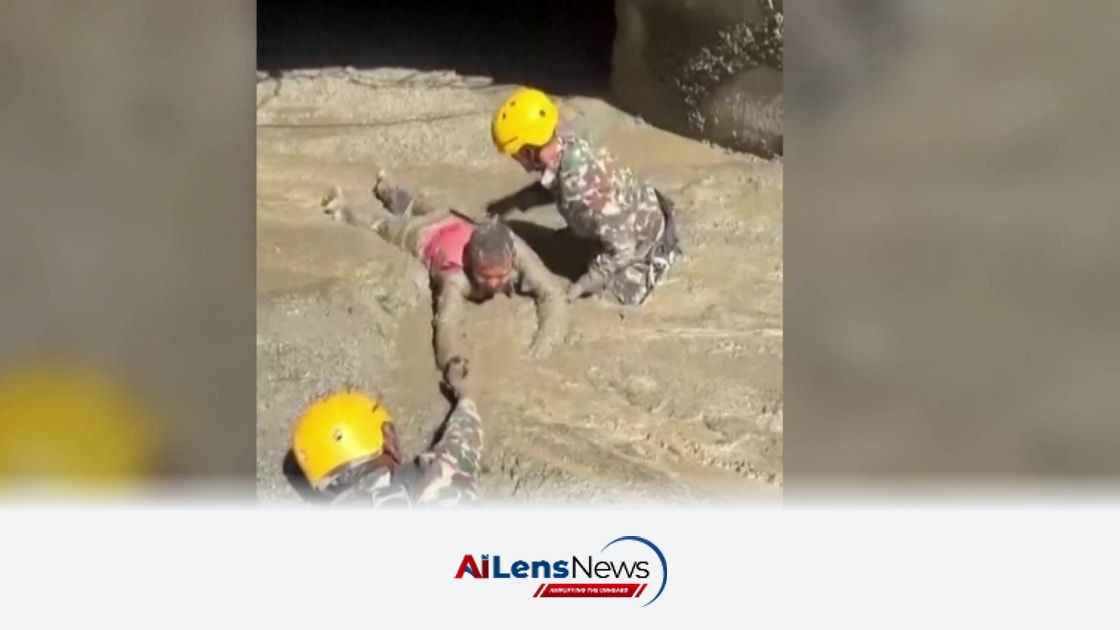



Rescue teams are working tirelessly as the number of missing persons in the recent floods has doubled, prompting urgent action along the Nepal-China border.
Washington DC, United States Aug 29, 2026 ALN: In the wake of a devastating flood disaster along the Nepal-China border, rescue operations are intensifying as officials report that the number of missing individuals has now doubled. The catastrophic floods have left communities in turmoil, prompting urgent calls for assistance and intervention. The natural disaster has not only impacted the immediate area but has also raised concerns about the broader implications for the region's infrastructure and humanitarian response capabilities.
The floods, triggered by heavy rainfall, have caused significant destruction, impacting infrastructure and displacing numerous residents. The region is known for its rugged terrain and susceptibility to natural disasters, making it particularly vulnerable to the effects of extreme weather. Historically, the monsoon season brings heavy rains that can lead to landslides and flooding, but the intensity and duration of the recent downpours have surpassed local expectations, exacerbating the situation.
As rescue efforts progress, teams are employing various methods to locate and assist those trapped or missing. Helicopters and ground teams are working in tandem to cover vast areas affected by the floods. Local communities are also playing a crucial role in these efforts, providing support and information to rescue personnel. This collaboration highlights the importance of community engagement in disaster response, as local knowledge can significantly enhance the effectiveness of search and rescue operations.
Officials have expressed concern over the rising number of missing persons, which has prompted a more extensive search operation. The urgency of the situation is underscored by the challenging conditions on the ground, including unstable terrain and ongoing weather threats. Reports indicate that some areas remain inaccessible due to landslides, complicating rescue efforts and delaying the delivery of aid to those in need.
In addition to the immediate search and rescue operations, local governments and humanitarian organizations are assessing the long-term impact of the floods on community infrastructure. Roads, bridges, and communication networks have suffered considerable damage, hampering not only rescue efforts but also the ability of aid organizations to provide necessary supplies. The destruction of infrastructure poses a significant challenge for recovery efforts, as rebuilding will require substantial resources and time.
The floods have not only caused physical damage but have also deeply affected the emotional and psychological well-being of the local population. Many families are anxiously awaiting news of their loved ones, and community support systems are being tested as individuals come together to assist one another during this crisis. The psychological toll of such disasters often leads to increased anxiety and stress, particularly for those with missing family members.
In response to the disaster, various organizations and government agencies are coordinating relief efforts, providing essential supplies and shelter for those displaced. The need for immediate assistance is critical as the community grapples with the aftermath of this natural disaster. Relief efforts are focusing on providing food, clean water, and medical care, as well as psychological support to help individuals cope with the trauma of the event.
As the situation develops, officials are urging residents to remain vigilant and to report any sightings or information regarding missing individuals. The hope is that with continued efforts, more people will be found safe. Community leaders are also working to establish communication channels to keep residents informed about rescue operations and available resources, ensuring that information flows efficiently during this chaotic time.
The broader implications of the floods extend beyond immediate rescue and recovery. The disaster underscores the need for improved disaster preparedness and response strategies in the region. As climate change continues to influence weather patterns, areas previously considered safe may become increasingly vulnerable to extreme weather events. This highlights the importance of investing in infrastructure that can withstand such challenges and developing comprehensive disaster response plans that involve local communities.
In conclusion, the floods along the Nepal-China border have triggered a significant humanitarian response, with rescue teams working tirelessly to locate missing persons and provide aid to affected communities. The resilience of the local population and the collaborative efforts of various agencies are vital in navigating this challenging situation. Furthermore, the disaster serves as a reminder of the importance of proactive measures to mitigate the impacts of future natural disasters, ensuring that communities are better prepared for the challenges that lie ahead.
To learn more about the latest developments in World News & International Affairs, stay updated with our exclusive reports and analyses on AILensNews.

Relatives of Jiwan Jyoti, missing after devastating floods in Nepal, are in sear…

During his visit to Tashkent, PM Modi emphasized the significance of the Yangi U…

Prime Minister Narendra Modi has arrived in Uzbekistan for a two-day visit aimed…

World leaders and European monarchs express their condolences and share memories…
The Islamic State is now encouraging local radicalization instead of foreign rec…