

More
Checking your session
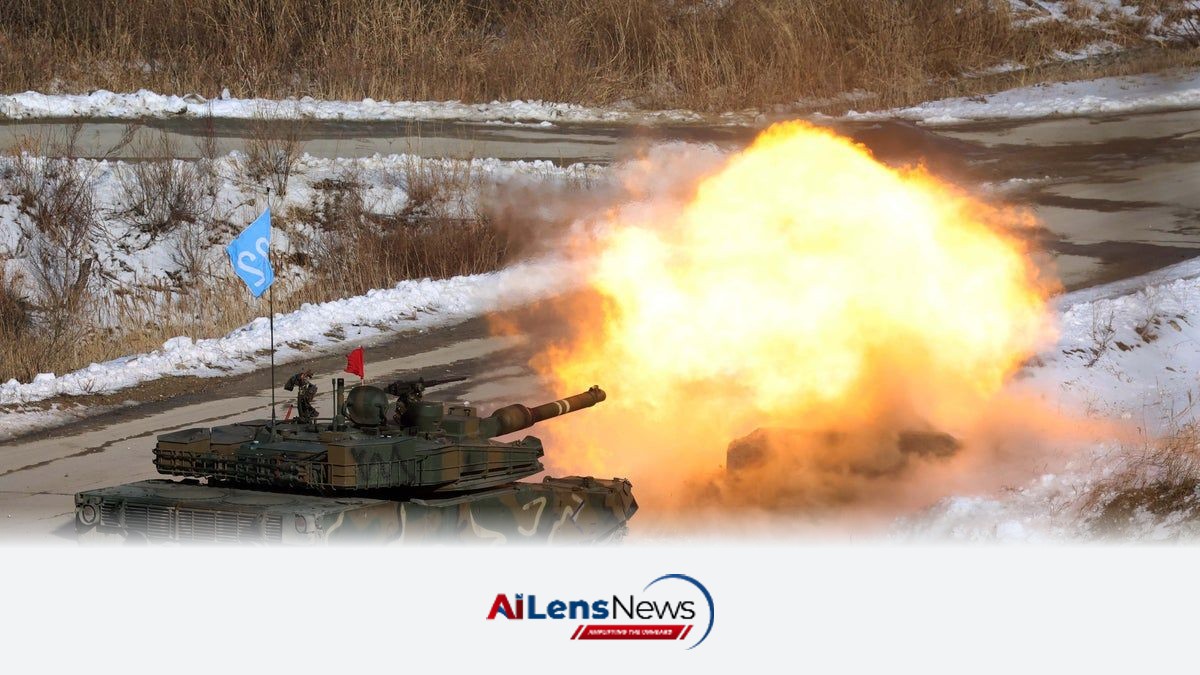



The US has canceled a joint amphibious landing exercise with South Korea due to troop availability constraints linked to the ongoing war in Iran.
London, United Kingdom Aug 24, 2026 ALN: The US has cancelled a joint amphibious landing exercise with South Korea scheduled for next month, as announced by Seoul's Marine Corps on Monday. This decision marks a significant shift in military cooperation between the two allies, who have historically conducted regular joint exercises as a means of maintaining readiness and deterrence against potential threats, particularly from North Korea.
Washington cited limitations on the availability of American forces resulting from the war in Iran as the primary reason for the cancellation. The US Marine Corps officially informed South Korean officials in June that the availability of troops would be restricted for the division-level exercise, known as Ssangyong. This exercise is significant as it typically involves thousands of troops and is designed to enhance the interoperability of US and South Korean forces in response to potential regional crises.
The two allies remain in discussions regarding the eventual resumption of military drills, according to a South Korean Marine Corps spokesperson. However, specific steps to address lost training opportunities or avoid future cancellations were not elaborated upon. This lack of clarity raises concerns about the readiness of the forces in the face of a constantly evolving security environment in the region.
US Forces Korea did not immediately respond to a request for comment, which has led to speculation about the future of US-South Korea military cooperation. The cancellation of the Ssangyong exercise is particularly noteworthy given the backdrop of heightened tensions on the Korean Peninsula, where North Korea continues to develop its military capabilities and conduct missile tests.
This cancellation follows an unexpected directive from US President Donald Trump to scale down a separate annual joint exercise, known as Ulchi Freedom Shield, which concluded last Friday, several days ahead of schedule. Trump cited costs and Seoul’s unwillingness to participate in the war in Iran as reasons for this decision. The scaling back of military exercises has been a contentious topic, as it raises questions about the commitment of the US to its defense obligations in the face of external conflicts.
On his Truth Social platform, Trump stated that the Ulchi Freedom Shield drills conveyed “a signal that was totally inappropriate and hostile” to North Korea. This statement reflects a broader strategic recalibration, as the Trump administration has sought to engage with North Korea diplomatically while also managing military commitments in other regions, such as the Middle East. Trump’s assertion that North Korea has been unthreatening and respectful during his presidency contrasts sharply with the reality of North Korea’s ongoing military developments and missile tests.
Shortly after Trump curtailed the drills, North Korea launched 10 short-range ballistic missiles and issued a formal statement condemning the annual exercise. North Korea has routinely denounced such joint drills as rehearsals for an invasion, using them to justify its own military provocations. The missile launches serve as a reminder of the persistent threat posed by North Korea, which continues to develop its arsenal despite international sanctions and diplomatic efforts aimed at denuclearization.
The ongoing situation highlights the complexities of military cooperation in the region, particularly in light of external conflicts that strain resources and alter strategic priorities. The war in Iran has drawn significant attention and resources from the US military, impacting its ability to engage in traditional partnerships and exercises with allies like South Korea. This situation raises questions about the long-term implications for US military strategy in Asia and the potential shift in focus that may result from ongoing conflicts in other parts of the world.
Moreover, the cancellation of military exercises can have broader implications for regional security dynamics. It may embolden North Korea to continue its military provocations, as the regime perceives a potential decrease in US commitment to deterrence. Additionally, it could lead to increased uncertainty among US allies in the region, who rely on American military support to counter threats from North Korea and other regional adversaries.
As discussions continue between US and South Korean officials regarding future military cooperation, it will be crucial for both nations to find a balance between addressing immediate operational challenges and maintaining readiness against long-term threats. The evolving geopolitical landscape necessitates a reassessment of military strategies and alliances, particularly as external conflicts continue to shape the priorities of the US military.
To learn more about the latest developments in World News & International Affairs, stay updated with our exclusive reports and analyses on AILensNews.

The death toll from devastating flash floods in central Nepal has reached 626, w…

Rescue operations continue in Nepal and China as the number of missing persons f…

Linda Kitchen initiates legal action against Singapore Airlines after her husban…

Rescue operations in Nepal and China face challenges as heavy rains hinder effor…

Rescue operations continue in Nepal as poor weather hampers efforts to locate th…