

More
Checking your session
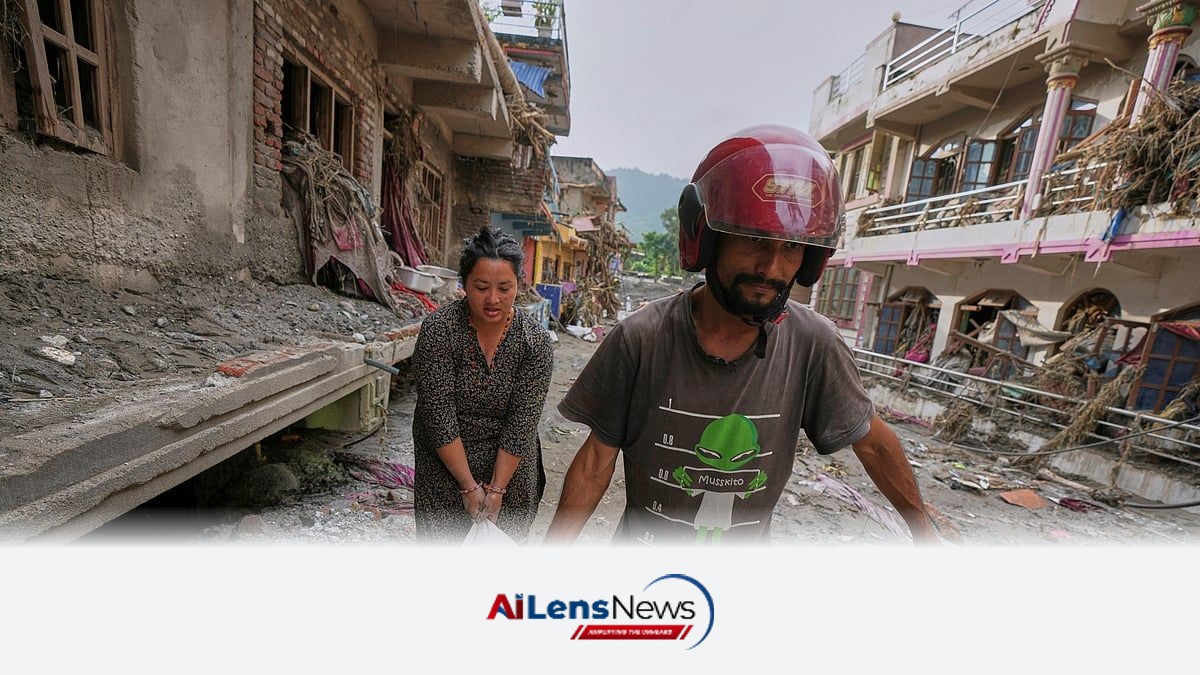



Rescue operations continue in Nepal as poor weather hampers efforts to locate thousands missing after devastating floods along the China border.
New Delhi, India Aug 29, 2026 ALN: Poor weather hampered aerial rescue operations in Nepal on Saturday as the search for thousands of missing people in areas devastated by catastrophic flash floods along the border with China entered its fourth day. The floods, which struck on Wednesday, have resulted in widespread destruction and loss of life, with reports indicating more than 600 fatalities and approximately 3,000 individuals still unaccounted for. The scale of the disaster has prompted a massive mobilization of rescue workers and military personnel, who have been tirelessly working around the clock to locate and assist those affected.
The floods were triggered by a sudden and intense rainfall that led to flash flooding in the region, exacerbated by the topography of the Himalayas, which is prone to such natural disasters. The swift movement of water and debris has made rescue operations particularly challenging. Survivors have been pulled from the mud, and crews continue searching several locations for those still missing. Brig. Gen. Raja Ram Basnet, a Nepali Army spokesperson, reported that helicopter operations were suspended due to adverse weather conditions, which have included low visibility and heavy precipitation. Such conditions have not only complicated aerial rescues but have also raised concerns about the safety of ground operations.
Search and rescue efforts are focused on several critical locations, including the Upper Trishuli-1 Hydropower Project in Nepal’s Rasuwa district and the severely damaged Gyirong border crossing on the Chinese side. At the hydropower construction site, authorities believe that more than 100 people may be trapped in a tunnel that has been filled with several feet of thick mud. This situation has necessitated the use of specialized equipment and techniques to reach those in need. Rescuers have employed baskets and ropes to attempt to reach some individuals, but the conditions remain perilous due to the significant accumulation of mud and the limited number of accessible landing sites for helicopters. Brig. Gen. Basnet indicated that rescue teams have had to temporarily relocate in response to warnings about the potential for further flooding, highlighting the ongoing risks in the area.
In addition to the immediate challenges presented by the floods, rescuers are also on high alert for additional flooding from a newly formed lake high in the Himalayan mountains. This lake was created following a glacier collapse that instigated the initial flooding. Experts have warned that the lake is beginning to overflow, which could lead to additional catastrophic flooding downstream. Monitoring data from the Chinese Ministry of Water Resources indicated late Friday that the lake's size had decreased, with the water level dropping by 10 meters (32 feet) from its peak on Thursday morning, suggesting some stabilization of the situation. However, the potential for further disaster remains a significant concern for both Nepal and China as they coordinate their response efforts.
Aid trucks have been dispatched from Kathmandu, the capital of Nepal, to the affected areas, delivering much-needed supplies and support to those in distress. The logistical challenges of delivering aid in the wake of such devastation cannot be understated, as infrastructure has been severely impacted by the floods, complicating travel and transportation routes.
In Nuwakot, one of the Nepali districts hardest hit by the floods, families have been left in a state of anxiety and despair as they await news about their missing loved ones. At a local relief center, military personnel have taken the initiative to tape sheets of paper listing dozens of missing individuals to a wall. This has drawn crowds of families who are desperately searching for information about their relatives. The emotional toll of the disaster is palpable, as some family members scan the lists, take photos, and wipe away tears in the hope of finding a name that brings relief amidst the overwhelming grief.
Rescue operations at the Gyirong Port, the border crossing with Nepal, have also been a focal point of the search efforts. Images broadcasted on Saturday depicted rescuers making their way to the site, some traversing the treacherous terrain on foot or using rafts to navigate the flooded areas. Drones have been deployed to assist in the search, with rescuers calling out for survivors in hopes of locating anyone who may still be trapped. The exact number of individuals present at the border checkpoint building at the time of the floods remains uncertain, adding to the complexity of the rescue operations.
As of Saturday, Nepal’s disaster agency reported that the death toll had risen to 626, with 2,426 individuals still missing. On the Chinese side, reports indicated that the death toll had reached seven, while state media highlighted the ongoing evacuations of villages and the efforts of local leaders to manage the relief response. The situation remains fluid, with more than 3,700 people having been rescued in Nepal thus far. On the Chinese side, state media reported that 554 individuals are still unaccounted for. Among those missing are many foreigners who were in the area for work, trekking, or making pilgrimages to sacred sites, underscoring the international implications of this disaster and the need for coordinated response efforts across borders.
This disaster not only poses immediate risks to life but also raises long-term questions about infrastructure resilience, disaster preparedness, and the impact of climate change on weather patterns in the region. As the search and rescue operations continue, the focus will likely shift towards recovery and rebuilding efforts in the wake of this tragedy, as communities begin to assess the full extent of the damage and the needs of those affected.
To learn more about the latest developments in World News & International Affairs, stay updated with our exclusive reports and analyses on AILensNews.

The death toll from devastating flash floods in central Nepal has reached 626, w…

Rescue operations continue in Nepal and China as the number of missing persons f…

Linda Kitchen initiates legal action against Singapore Airlines after her husban…

Rescue operations in Nepal and China face challenges as heavy rains hinder effor…

Rescue teams are working tirelessly to save survivors from devastating floods al…