

More
Checking your session
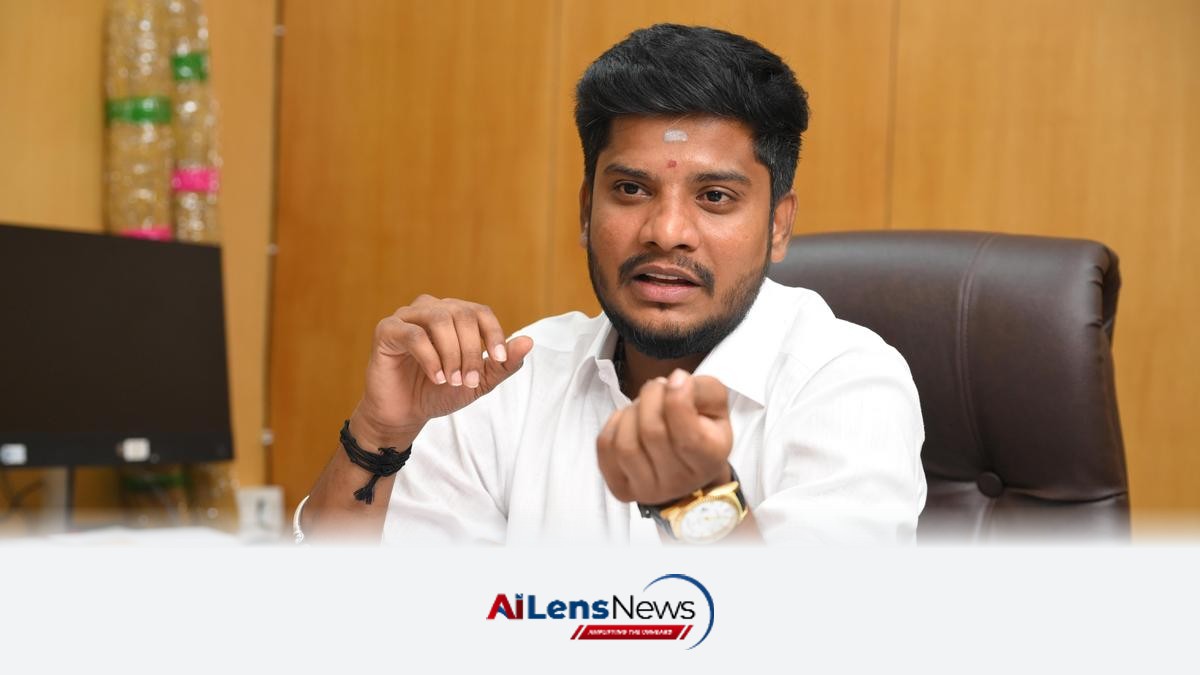



The Madras High Court has ruled that unverified social media allegations against newly inducted Ministers could hinder their performance, directing an apology from the content creator.
Chennai, India Aug 29, 2026 ALN: The Madras High Court has recently underscored the potential dangers of reckless allegations made on social media, particularly those directed at newly appointed Ministers. This judicial observation arises from a case involving Vinoth Suriya Kumar, a sympathizer of the Dravida Munnetra Kazhagam (DMK) party, who was instructed by the court to submit an affidavit expressing regret for his unverified claims regarding the registration of land associated with the Palani Dhandayuthapaniswamy Temple.
The court's ruling highlights the critical role that social media plays in shaping public discourse and the responsibilities that come with it. Justice D. Bharatha Chakravarthy, presiding over the case, pointed out that unfounded allegations can not only create unnecessary anxiety but can also significantly interfere with the official duties of public officials. This is particularly relevant in a political landscape where misinformation can rapidly spread, influencing public opinion and potentially undermining the integrity of political figures.
Kumar's allegations suggested that the land in question was registered in the name of a relative of Ramesh, the Minister of Hindu Religious and Charitable Endowments (HR&CE). The court mandated that Kumar's affidavit must explicitly state that his statements were made without proper verification of facts. The ruling serves as a reminder that individuals sharing information on social media platforms bear a responsibility to ensure that their content is accurate and substantiated.
In addition to addressing the need for accountability in social media discourse, the court's ruling also leaves the door open for the Minister to pursue further legal action. Justice Chakravarthy made it clear that while the court quashed a First Information Report (FIR) against Kumar—filed by the Minister's personal assistant—the Minister retains the right to initiate civil or criminal defamation proceedings should he choose to do so. This aspect of the ruling underscores the ongoing tension between freedom of speech and the need to protect individuals from defamatory statements.
During the court proceedings, it became evident that Kumar's legal counsel acknowledged the lack of factual basis for the allegations made against the Minister. The admission of guilt and the agreement to file an affidavit of apology reflect a growing awareness among social media users about the potential legal repercussions of spreading misinformation. The court's insistence on a formal acknowledgment of the error serves not only to rectify the specific instance but also to set a precedent regarding the responsibilities of content creators in the digital age.
Justice Chakravarthy further elaborated on the broader implications of political criticism within the framework of free speech. He acknowledged that political commentary is a fundamental right and that criticisms of public figures often fall within the purview of free expression. However, he drew a clear line when it comes to defamatory statements that lack a factual basis, emphasizing that such allegations can have damaging consequences not only for the individuals targeted but also for the public trust in political institutions.
The case also sheds light on the political context in which these allegations were made. The attempt to register temple land in the names of private individuals was noted to have occurred prior to the 2026 Assembly elections, a time when political tensions are often heightened. The court's observation that the allegations appeared to be politically motivated suggests that the intersection of politics and social media can lead to the dissemination of false information, potentially aimed at discrediting opponents or influencing electoral outcomes.
Moreover, the court's decision to quash the FIR indicates a nuanced understanding of the legal framework surrounding freedom of speech and the responsibilities that accompany it. The judge pointed out that the legal provisions invoked by the cybercell police were not applicable in this instance, reinforcing the idea that not all allegations, particularly those lacking malicious intent, warrant criminal prosecution. This aspect of the ruling may encourage more individuals to engage in political discourse, knowing that there is a legal framework that protects them from undue harassment, provided their statements are not defamatory.
This case is emblematic of a broader trend in which courts are increasingly called upon to navigate the complexities of social media and the implications of online speech. As social media continues to evolve as a primary platform for communication, the legal landscape surrounding defamation, free speech, and the responsibilities of content creators will likely continue to develop. The Madras High Court's ruling serves as a pivotal reminder of the need for vigilance in the digital space, where the line between opinion and fact can often become blurred.
In conclusion, the Madras High Court's ruling not only addresses a specific instance of alleged defamation but also raises important questions about the role of social media in contemporary political discourse. It emphasizes the need for accountability among users who share information and the potential consequences of spreading unverified claims. As the political climate evolves, so too will the challenges associated with maintaining a balance between free expression and the protection of individuals from unfounded allegations. The court's decision may serve as a catalyst for more responsible engagement in the digital public sphere, encouraging individuals to verify information before sharing it widely.
To learn more about the latest developments in Politics, stay updated with our exclusive reports and analyses on AILensNews.

Union Home Minister Amit Shah will chair the 31st Southern Zonal Council meeting…
The Tamil Nadu government has mandated the singing of the state song, Tamil Thaa…
DMK members walked out of Parliament, demanding Tamil Nadu's rightful share of C…
Prashant M. Wadnere has been appointed as the new Secretary of Water Resources, …

Following Union Education Minister Dharmendra Pradhan's resignation, protesters …