

More
Checking your session
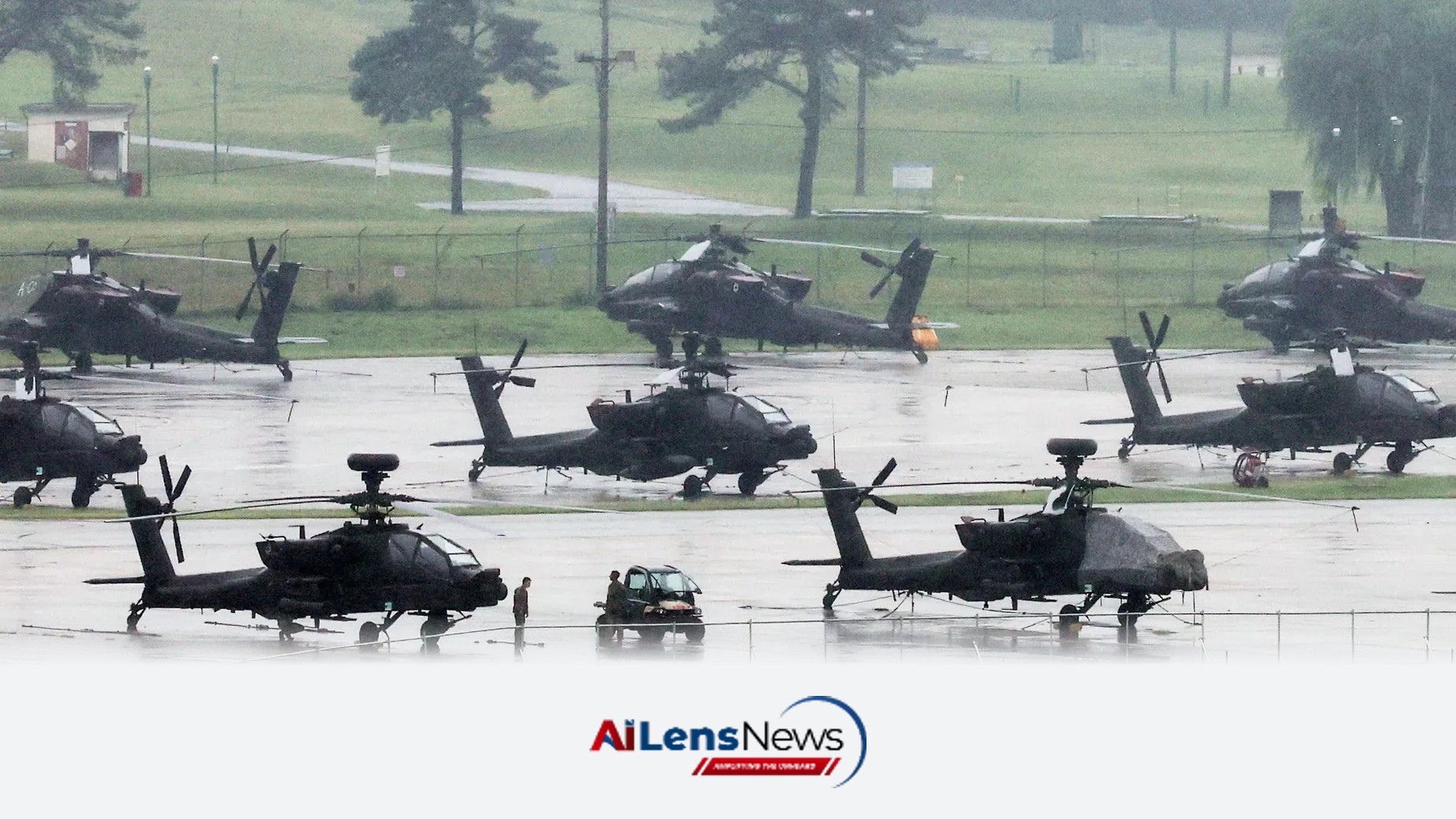



The United States has canceled a scheduled joint amphibious landing drill with South Korea due to constraints on military resources related to the ongoing war in Iran.
Singapore, Singapore Aug 24, 2026 ALN: [SEOUL] The United States has canceled a joint amphibious landing drill scheduled for September with South Korea, as announced by Seoul’s Marine Corps on Monday (Aug 24). The cancellation comes after Washington cited constraints on the availability of US forces due to the war in Iran.
The US Marine Corps formally notified its South Korean counterpart in June that force availability would be constrained for the division-level exercise, known as Ssangyong, according to a spokesperson from the South Korean Marine Corps during a press briefing. The Ssangyong exercise is a significant annual military drill that typically involves joint amphibious operations, designed to enhance the readiness and interoperability of US and South Korean forces.
The decision to cancel this drill is particularly noteworthy given the historical context of US-South Korea military cooperation. The two nations have maintained a robust military alliance since the Korean War in the early 1950s, with joint exercises being a cornerstone of their defense strategy against potential threats from North Korea. The drills serve not only to bolster military readiness but also to demonstrate a united front to adversaries in the region.
In recent years, however, the geopolitical landscape has shifted dramatically, particularly with the emergence of new conflicts, such as the ongoing war in Iran. The US has found itself stretched thin, with military resources being diverted to support operations in the Middle East. This has raised concerns about the implications for US military commitments in Asia, particularly in light of North Korea's continued missile tests and aggressive posturing.
The allies are currently in close consultations regarding the resumption of the drills, although the spokesperson did not specify what measures might be taken to prevent future cancellations or to compensate for lost training opportunities. The lack of clarity on how the US plans to manage its military commitments in the face of multiple conflicts underscores the complexity of maintaining readiness and deterrence in the Asia-Pacific region.
US Forces Korea did not immediately respond to a request for comment on the matter. This silence from US military officials may reflect the sensitive nature of the situation, as any perceived weakening of the US-South Korea alliance could embolden adversaries, particularly North Korea, which has historically viewed joint military exercises as provocations.
This cancellation follows US President Donald Trump’s unexpected order to scale back a separate annual joint military exercise that concluded on Aug 21. Trump cited the costs and Seoul’s refusal to participate in the Iran war as reasons for the decision. This perspective has raised eyebrows among military analysts, who argue that the alliance's strength is predicated on consistent military collaboration, particularly in the face of regional threats.
On his Truth Social platform, Trump stated that the Ulchi Freedom Shield drills sent “a signal that was totally inappropriate and hostile, to a Country that, as long as Donald J. Trump has been President, has been unthreatening and respectful.” Trump's comments highlight a broader debate within US foreign policy circles regarding the balance between military readiness and diplomatic engagement. Critics argue that reducing military exercises could send mixed signals to both allies and adversaries, potentially destabilizing the region further.
The cancellation of the Ssangyong drill highlights ongoing tensions in US-South Korea relations, particularly in the context of military readiness and regional security amid the complexities of international conflicts. The implications of this decision extend beyond the immediate military landscape; they also touch on the political dynamics within South Korea, where public opinion regarding the US alliance has been increasingly scrutinized.
In South Korea, there is a growing sentiment among some segments of the population that the alliance with the US should be recalibrated to reflect a more equitable partnership, especially as South Korea's own military capabilities have evolved. This shift in perspective could complicate future negotiations regarding joint military exercises and defense spending, as both nations seek to balance their respective national interests.
Moreover, the regional security environment is further complicated by China's rising influence and the evolving nature of North Korea's military capabilities. As the US grapples with commitments in multiple theaters, including the Middle East and the Indo-Pacific, the need for a coherent strategy that addresses these challenges becomes increasingly urgent.
In conclusion, the cancellation of the Ssangyong drill not only reflects the immediate logistical challenges posed by the war in Iran but also underscores the broader strategic dilemmas facing US-South Korea relations. As both nations navigate these complexities, the future of their military partnership will likely depend on their ability to adapt to changing geopolitical realities while maintaining a credible deterrent against regional threats.
To learn more about the latest developments in World News & International Affairs, stay updated with our exclusive reports and analyses on AILensNews.

The death toll from devastating flash floods in central Nepal has reached 626, w…

Rescue operations continue in Nepal and China as the number of missing persons f…

Linda Kitchen initiates legal action against Singapore Airlines after her husban…

Rescue operations in Nepal and China face challenges as heavy rains hinder effor…

Rescue operations continue in Nepal as poor weather hampers efforts to locate th…