

More
Checking your session
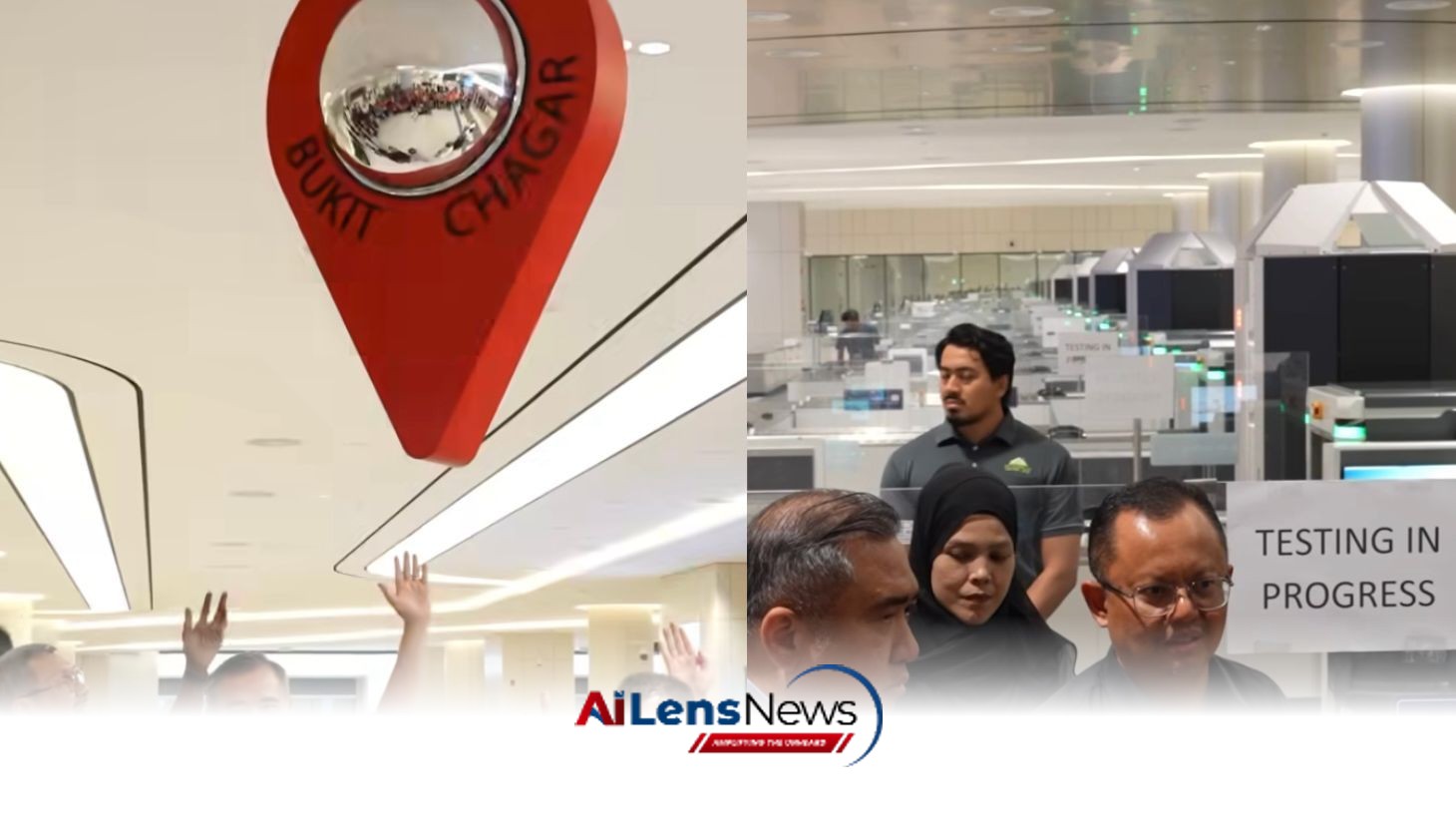



The RTS Link between Singapore and Malaysia is nearing completion, with infrastructure ready and integration testing underway for a 2024 launch.
Singapore, Singapore Aug 21, 2026 ALN: Anthony Loke, the Transport Minister of Malaysia, announced earlier this week that all station and rail infrastructure on the Malaysian side of the Singapore-Johor Rapid Transit System (RTS) Link is now complete. This announcement marks a significant milestone in the development of the RTS Link, which has been in the works for several years and is seen as a crucial infrastructure project aimed at enhancing connectivity between Malaysia and Singapore.
The RTS Link is slated to open early next year and will cut the end-to-end journey between Singapore and Malaysia to just six minutes. This remarkable reduction in travel time is expected to alleviate some of the persistent traffic congestion issues that have plagued the Causeway, a vital bridge connecting the two nations. The Causeway is currently used by approximately 300,000 people daily, leading to long wait times and significant delays. By providing a rapid transit option, the RTS Link aims to improve the flow of commuters and goods, thereby facilitating smoother cross-border travel.
Excitement for the Link’s opening has been building, and it is now in the final stages of integration testing. These tests are essential to ensure that all systems function correctly and safely before the official launch. On August 18, members of the media were invited to try out a ride on the Link, going from Bukit Chagar to Woodlands North and vice versa. Each trip lasted a mere six to eight minutes, according to reporting from The Rakyat Post. This short travel time showcases the efficiency of the RTS Link and highlights its potential to transform daily commutes for thousands.
The report noted how the train cabin has window seating similar to the MRT in Singapore, as well as a space for standing passengers. It added that the trains have four cars each, designed to accommodate a significant number of passengers. The modern design and amenities are expected to enhance the overall travel experience, making it more comfortable and convenient for commuters. This attention to detail in passenger comfort reflects a broader trend in public transportation, where user experience is increasingly prioritized.
Mr. Loke, along with his colleagues from the Ministry of Transport, was present on August 18 as well. The group’s aim was to personally assess the progress of the Link. He wrote in a social media post the next day that he was satisfied with how far the project has come, and added that a new connecting route between the KTM and RTS Link stations was announced on August 18. This new connection is expected to facilitate smoother transfers between different modes of transport, further enhancing the efficiency of the public transportation network.
Expected to “ensure greater convenience and comfort for pedestrians using both services,” the new link means that the walking distance between the two stations will be reduced from 431 meters to 271 meters. This reduction is significant, as it will make it easier for commuters to transfer between the KTM and RTS services, encouraging more people to utilize public transport rather than relying on private vehicles. “Integration work like this is important to ensure that our public transportation system is more integrated and user-friendly,” he added, emphasizing the government's commitment to improving public transport infrastructure.
The RTS Link has the capacity to transport around 10,000 passengers each way. This high capacity is crucial, considering the volume of commuters traveling between Malaysia and Singapore. The project is budgeted to cost S$3.24 billion, with Malaysia taking on a 39% share of the costs while Singapore will shoulder the remaining 61%. This cost-sharing arrangement reflects the collaborative nature of the project and underscores the importance both countries place on enhancing their bilateral ties through improved infrastructure.
“This project is much more than building bridges—it is also about building a better future for both countries, strengthening our longstanding friendship and creating more win-win opportunities for our businesses and citizens in areas of common interest and mutual benefit,” said former Transport Minister Chee Hong Tat in 2024. This sentiment encapsulates the broader implications of the RTS Link, which is not only a transportation project but also a symbol of the close economic and social ties between Malaysia and Singapore. The enhanced connectivity is expected to foster greater collaboration in various sectors, including tourism, trade, and investment, ultimately benefiting both nations.
In summary, the completion of the RTS Link's infrastructure on the Malaysian side is a pivotal development in regional transport. As the project moves towards its opening, it promises to transform the daily lives of commuters, reduce traffic congestion, and strengthen the economic and social ties between Malaysia and Singapore. The anticipation surrounding the RTS Link underscores the importance of innovative infrastructure solutions in addressing contemporary transportation challenges and enhancing the overall quality of life for citizens in both countries.
To learn more about the latest developments in Transport & Mobility, stay updated with our exclusive reports and analyses on AILensNews.

ComfortDelGro and RATP Dev have secured a contract to manage Copenhagen's metro …

Rail passengers face disruptions due to engineering works and strikes during the…

The CAG's audit reveals significant inefficiencies in the Transport Department, …
Emirates, Etihad, Air Arabia, and flydubai are operating flights from UAE, with …

ARTO Mubashir Jan warns that private vans for schoolchildren do not meet safety …