

More
Checking your session
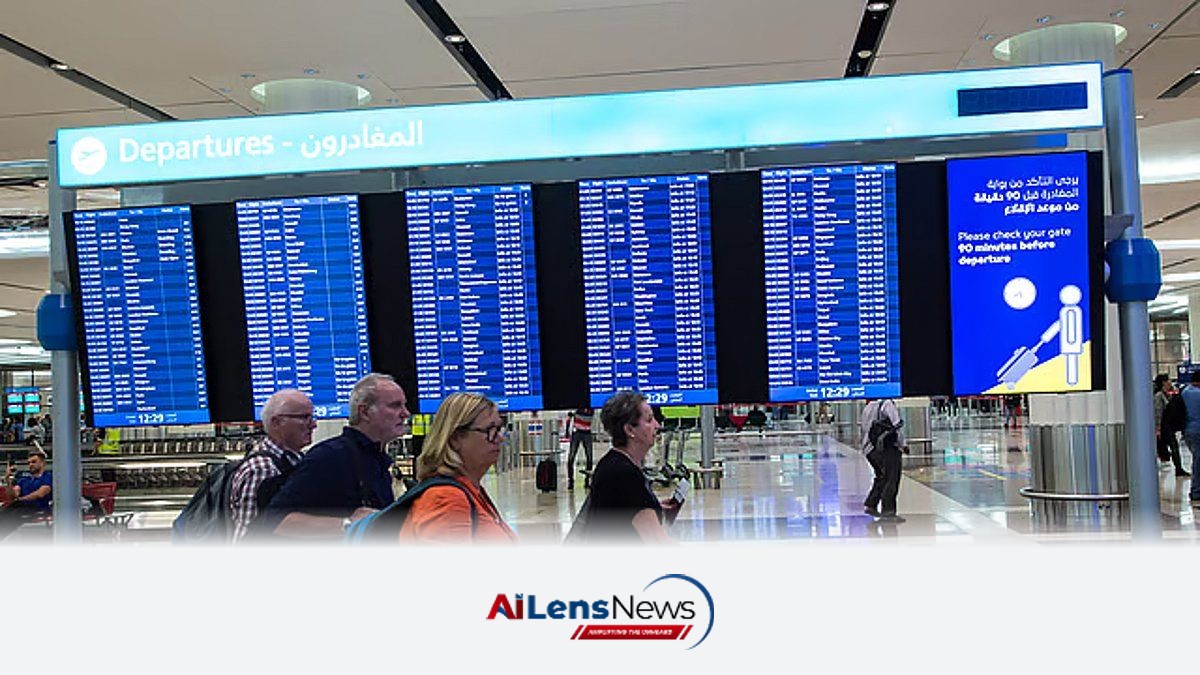



Emirates, Etihad, Air Arabia, and flydubai are operating flights from UAE, with some cancellations and delays. Passengers advised to check flight statuses.
Abu Dhabi, United Arab Emirates Aug 30, 2026 ALN: Emirates, Etihad Airways, Air Arabia, and flydubai are currently operating flights from Dubai, Abu Dhabi, and Sharjah, although several services have been affected by cancellations and delays. The aviation sector in the UAE has been navigating a complex landscape due to various factors, including geopolitical tensions, weather conditions, and operational adjustments, which have led to the current disruptions.
Emirates continues to operate flights from Dubai, but some routes remain impacted:
Dubai–Bahrain: EK837 cancelled; EK839 scheduled to operate
Dubai–Kuwait: EK857 scheduled to operate
Passengers are encouraged to check the latest flight information through Emirates' official channels before heading to Dubai International Airport. The airline has been proactive in communicating changes to its schedule, reflecting its commitment to customer service during these challenging times. Emirates, being one of the largest international airlines, plays a crucial role in connecting the UAE with the world, and its operational adjustments are closely monitored by travelers and industry analysts alike.
Etihad Airways reports that services between Abu Dhabi and Bahrain, as well as Kuwait, are mostly operating normally:
Abu Dhabi–Bahrain: EY647 arrived late; EY645 scheduled to operate
Abu Dhabi–Kuwait: EY653 scheduled to operate
Travelers should verify their individual flight status prior to arriving at Abu Dhabi airport. Etihad has been focusing on maintaining operational efficiency while ensuring safety protocols are followed, which has become increasingly important in the evolving travel landscape. The airline has also been working on enhancing its customer experience through various initiatives, including digital check-in and improved in-flight services.
Air Arabia has announced cancellations affecting several Gulf services:
G9068 – Sharjah to Kuwait
G9124 – Sharjah to Kuwait
G9107 – Sharjah to Bahrain
3L020 – Abu Dhabi to Kuwait
Passengers booked on these flights should check directly with the airline for the latest updates and rebooking options. As a low-cost carrier, Air Arabia is particularly sensitive to fluctuations in demand and operational challenges, which can lead to sudden schedule changes. The airline's ability to adapt quickly is crucial for maintaining customer trust and satisfaction.
flydubai is experiencing delays on several routes:
FZ1289 – Dubai to Mombasa
FZ1745 – Dubai to Salzburg
FZ1211 – Dubai to Tel Aviv
FZ719 – Dubai to Dubrovnik
Travelers are advised to check their flight status before heading to Dubai International Airport. flydubai has been expanding its network and services, but like many airlines, it faces challenges that can affect punctuality. The airline's focus on regional connectivity is vital for both tourism and business travel in the UAE, making timely updates on flight statuses essential for passengers.
Several international airlines continue to suspend or restrict services to destinations in the Middle East, with some measures extending into October and beyond. These restrictions often stem from safety concerns, operational challenges, or geopolitical issues that can affect air travel. The situation remains fluid, and airlines are continually assessing their routes based on the latest developments.
Lufthansa Group: Services affected through October 24 for Lufthansa, SWISS, Austrian Airlines, Brussels Airlines, and ITA Airways. This group has been known for its extensive network across Europe and the Middle East, and the cancellations could impact many travelers who rely on these connections.
British Airways: Flights to Dubai, Tel Aviv, Bahrain, and Amman suspended until October 25, with reduced frequencies planned upon resumption. The airline's operational decisions reflect ongoing assessments of safety and demand in these regions.
Singapore Airlines: Flights to Dubai suspended until October 24. This suspension is part of a broader trend among international carriers reassessing their Middle Eastern routes.
Cathay Pacific: Services to Dubai suspended until October 25; flights to Riyadh suspended until October 26. Such changes have significant implications for travelers, especially those connecting through Hong Kong.
Wizz Air: Flights to Dubai and Abu Dhabi from mainland Europe suspended until October 24. This could affect European travelers looking to visit the UAE, particularly during peak travel seasons.
Air Canada: Services to Dubai and Tel Aviv cancelled until mid-January 2027. This long-term suspension indicates serious operational challenges or strategic shifts within the airline's route planning.
KLM: Flights to Dubai, Riyadh, and Dammam suspended until October 24. KLM's decisions are often influenced by broader market dynamics and passenger demand.
Finnair: Flights to Dubai suspended until March 27, 2027. This extended suspension highlights the complexities airlines face in maintaining viable routes in the region.
Air France: Resuming services to Dubai and Riyadh, but flights to Beirut remain suspended until September 1. The resumption of services is a positive sign for travelers, indicating a potential return to normalcy, but the ongoing suspensions reflect the challenges still present in the region.
Passengers traveling from the UAE should check their specific flight number immediately before leaving for the airport. Operational conditions can change, and airlines may make last-minute adjustments. Here are some recommendations:
Check flight status before setting out
Arrive at least three hours before departure
Allow four hours when flying with flydubai
Complete online check-in where available
Account for additional time for traffic, check-in, security, and immigration
Update contact details with the airline for disruption alerts
Be prepared for last-minute delays or cancellations
Follow official channels for the latest updates
While flight operations across the UAE have largely returned to normal, some routes remain disrupted. Checking individual flight statuses before leaving home and again before heading to the airport is crucial. The importance of staying informed cannot be overstated, as it allows passengers to make timely adjustments to their travel plans and avoid unnecessary inconveniences. As the situation evolves, the cooperation between airlines, airports, and passengers will be key to navigating these challenges effectively.
To learn more about the latest developments in Transport & Mobility, stay updated with our exclusive reports and analyses on AILensNews.

ComfortDelGro and RATP Dev have secured a contract to manage Copenhagen's metro …

Rail passengers face disruptions due to engineering works and strikes during the…

The CAG's audit reveals significant inefficiencies in the Transport Department, …

ARTO Mubashir Jan warns that private vans for schoolchildren do not meet safety …

The Immigration and Checkpoints Authority reported heavy traffic at Woodlands Ch…