

More
Checking your session
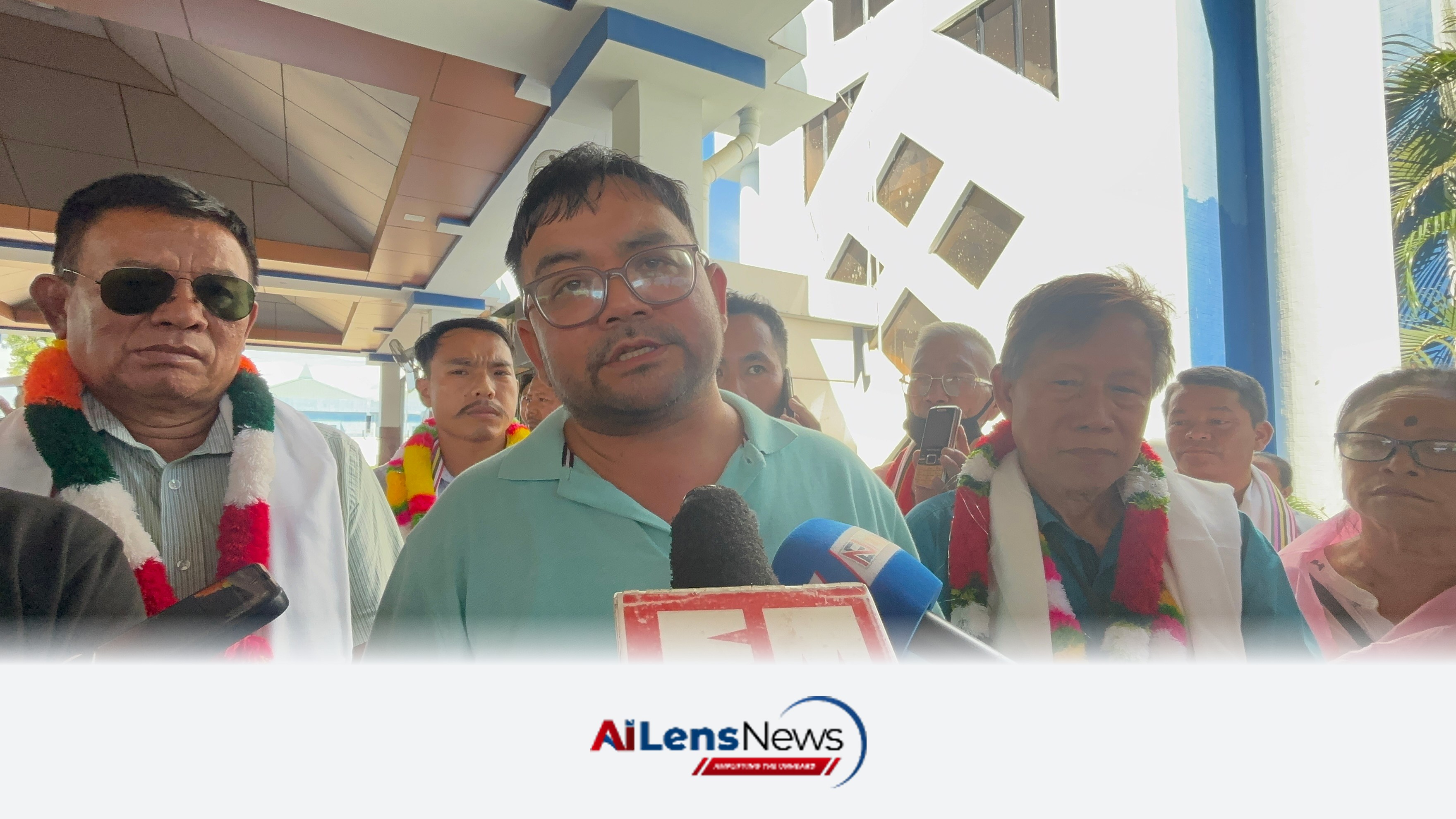



A delegation from Manipur's civil society organizations returned from Delhi, advocating for the deferment of the Census and the implementation of the NRC.
Imphal, India Aug 28, 2026 ALN: Imphal: A 10-member delegation representing 14 civil society organizations (CSOs) in Manipur returned to Imphal on Friday after an eight-day visit to New Delhi, where it pressed central leaders to defer the upcoming Census and implement the National Register of Citizens (NRC) before the exercise. This visit underscores ongoing tensions and concerns regarding demographic changes and citizenship status in the northeastern state of Manipur, which has a complex socio-political landscape.
The delegation, which included representatives from diverse ethnic groups such as the Meitei, Naga, Kom, and Meitei Pangal communities, traveled to the national capital on August 20. Their aim was to articulate the aspirations and concerns of the people of Manipur to central leaders, reflecting a growing unease about the implications of the Census and NRC on local demographics. The region has a history of ethnic strife and identity politics, making these discussions particularly sensitive.
Speaking to mediapersons at Imphal Airport after returning from Delhi, Shanta Nahakpam, the convenor of the 14 CSOs, detailed the delegation’s engagements. They met with several central leaders, including Union Parliamentary Affairs Minister Kiren Rijiju and BJP national president Nitin Nabin. These discussions were framed within the broader context of the ongoing debate about immigration, citizenship rights, and the socio-political stability of Manipur.
According to Nahakpam, the delegation strongly advocated for updating the NRC before the Census is conducted in Manipur. The NRC, which aims to identify legal citizens in India, has been a contentious issue, particularly in the northeastern states where concerns about illegal immigration from neighboring countries have been pronounced. The CSOs argued that without an updated NRC, the Census could exacerbate existing tensions and lead to further marginalization of certain communities.
The discussions also focused on the deferment of the Census and the establishment of mechanisms to identify alleged illegal immigrants and ascertain the citizenship status of residents, with 1951 proposed as the base year for determining eligibility. This year is significant as it marks a historical baseline for many residents in the region, and using it as a reference point is seen as a way to protect the identities and rights of indigenous populations.
Nahakpam emphasized that the central leaders assured the delegation that the concerns and aspirations of the people of Manipur would not be overlooked. This assurance is critical, as it reflects the central government's acknowledgment of regional issues, particularly in a state where ethnic identities are deeply intertwined with political representation and resource allocation.
The CSOs expressed hope that the Centre would take a decision on deferring the Census before the Manipur Assembly’s next session, scheduled to begin on September 2. This timeline is crucial as it aligns with the political calendar of the state, where local governance and representation are heavily influenced by demographic data collected during the Census.
The call for a deferment of the Census is not merely a logistical request; it is rooted in the fear that without proper mechanisms to address illegal immigration, the integrity of the demographic composition of Manipur could be jeopardized. Ethnic groups in the state have historically been wary of the implications of demographic changes, which could potentially dilute their political power and cultural identity.
Moreover, the demand for an updated NRC reflects a broader national conversation about citizenship and identity in India. The NRC has been a point of contention in various states, particularly Assam, where its implementation has led to widespread protests and debates about the rights of individuals who may be excluded from the list. The situation in Manipur, however, is unique due to its specific ethnic dynamics and historical context, which complicates the discourse around citizenship.
As the political landscape in Manipur continues to evolve, the role of civil society organizations becomes increasingly significant. These groups serve as a bridge between the government and the populace, articulating the concerns of various communities and advocating for their rights. The delegation’s visit to Delhi is indicative of a proactive approach by these organizations to ensure that their voices are heard at the national level.
In conclusion, the recent meetings held by the Manipur CSOs in New Delhi highlight the complexities surrounding the Census and NRC in the region. The outcomes of these discussions could have far-reaching implications for the political and social fabric of Manipur, as well as for the broader national discourse on citizenship and identity in India. As the state prepares for its Assembly session, the anticipation surrounding the Centre's response to these demands will be closely monitored by various stakeholders, including political parties, civil society, and the general populace.
To learn more about the latest developments in Local & Regional, stay updated with our exclusive reports and analyses on AILensNews.

Following a three-year hiatus, inter-state bus services from Imphal to Dimapur a…

At least ten people from Assam are reported missing following severe flash flood…

Two siblings from Imphal, Manipur, have forged a shared career in aviation as ca…

The Red Shield Division of the Indian Army hosted an Onam celebration in Andro, …

Public transport along the Imphal-Dimapur-Guwahati route via NH2 has resumed smo…