

More
Checking your session




The burst of a lake in Tibet has sparked new flood fears in Nepal, complicating rescue efforts in Rasuwa district where 320 Indians remain uncontacted.
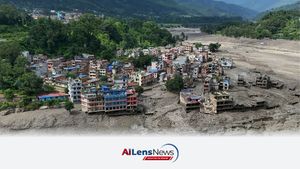
New Delhi, India Aug 29, 2026 ALN: Fresh concerns over potential flash floods have emerged in Nepal following the burst of a lake in Tibet, which has disrupted ongoing rescue operations in the flood-affected Rasuwa district. The region is still grappling with the aftermath of the devastating Bhote Koshi floods, which have left many stranded and unaccounted for. The potential for further flooding poses significant risks to both the ongoing rescue efforts and the safety of local communities.
The recent incident involving the lake in Tibet has raised alarms among local authorities and rescue teams. The sudden release of water from the lake, often referred to as a glacial lake outburst flood (GLOF), can lead to rapid and unpredictable flooding downstream. This natural phenomenon occurs when a dam formed by glacial meltwater fails, releasing large volumes of water that can devastate downstream communities. In this case, the burst could exacerbate the already precarious situation in Rasuwa, where communities are still recovering from severe flooding caused by the Bhote Koshi river.
The Bhote Koshi floods, which occurred recently, have been particularly destructive, leading to loss of property, infrastructure damage, and displacement of residents. Officials have reported that approximately 320 Indian nationals remain uncontactable since the floods struck. These individuals may have been traveling through the area or visiting family, and their unaccounted status raises concerns about their safety. Efforts to locate and assist these individuals are ongoing, but the new threat of additional flooding complicates these operations.
Rescue teams have been working tirelessly to reach those affected by the Bhote Koshi floods. However, the burst of the Tibetan lake has led to increased water levels in the region, making access to certain areas more challenging. The rising waters can create hazardous conditions, including swift currents and debris flows, which pose risks to both rescue personnel and those in need of assistance.
Local authorities are urging residents to remain vigilant and prepared for possible evacuations as the situation develops. Emergency services are on high alert, ready to respond to any new incidents that may arise from the lake's burst. The government has also been coordinating with local and international agencies to ensure that resources are available for immediate response and recovery efforts.
The local community has rallied together to support one another during this crisis. Volunteers have been assisting rescue teams and providing aid to those displaced by the floods. The solidarity shown by residents is a beacon of hope amidst the chaos. Community members have organized shelters for those who have lost their homes and are distributing food and essential supplies to affected families.
In addition to local efforts, various non-governmental organizations (NGOs) and humanitarian groups are mobilizing to provide support. These organizations are bringing in medical supplies, food, and other necessities to help those impacted by the floods. The collaboration between local residents and external agencies highlights the importance of community resilience in the face of natural disasters.
The Nepalese government is actively monitoring the situation and has set up a crisis management team to assess the ongoing risks posed by the lake's burst. They are also in communication with their counterparts in Tibet to gather information and coordinate response efforts. The situation is being treated with urgency, given the potential for further flooding and its implications for public safety.
International partners are also stepping in to assist. Countries with experience in disaster response are offering technical assistance and resources. The involvement of international agencies is crucial, as they can provide expertise in managing flood risks and implementing effective rescue operations.
The burst of the lake in Tibet has introduced a new layer of complexity to an already dire situation in Nepal. With hundreds of individuals still unaccounted for, the coming days will be critical in determining the effectiveness of rescue operations and the overall safety of the region. Authorities remain focused on ensuring the safety of all individuals in the affected areas, and the community's resilience and solidarity will play a vital role in navigating this crisis.
As the situation evolves, it is essential for both local and international communities to remain informed and prepared for any developments. The lessons learned from this event may also prompt discussions on improving infrastructure and disaster preparedness in the region, particularly in areas prone to flooding and other natural disasters. The hope is that through collaboration and preparedness, the impacts of such events can be mitigated in the future.
To learn more about the latest developments in World News & International Affairs, stay updated with our exclusive reports and analyses on AILensNews.

Kuwait and India have agreed to bolster defense ties, focusing on military train…

The Ministry of External Affairs reports that 320 Indians are missing and 400 ot…

King Harald V of Norway, who passed away at 89, was a unifying figure, embodying…
Nepal faces a devastating crisis as flash floods claim 579 lives, leaving nearly…

The government has directed deputy commissioners to gather details of residents …