

More
Checking your session
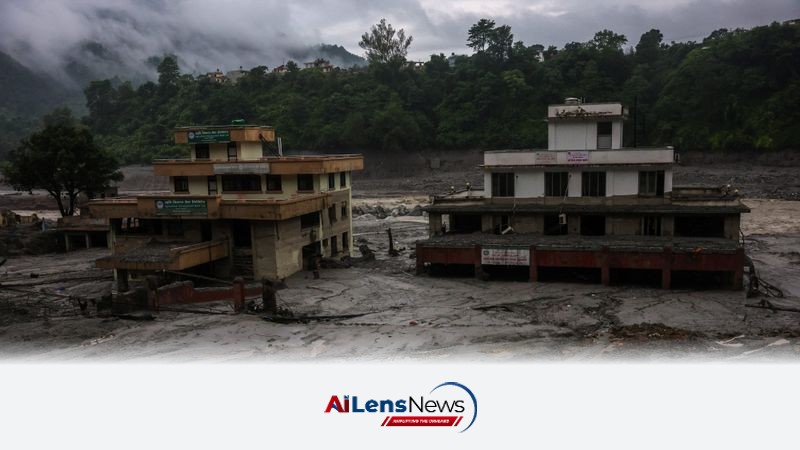



The death toll from the devastating floods in Nepal has risen to 616, with ongoing rescue operations hampered by heavy rain and overwhelmed morgues.
New Delhi, India Aug 29, 2026 ALN: In a tragic turn of events, the death toll from the catastrophic floods that struck Rasuwa district, Nepal, on August 26 has now reached 616 individuals. The Nepal Police reported that the relentless rainfall has not only hindered rescue operations but has also led to a significant number of injuries and displacements. The impact of these floods has been profound, not only in terms of loss of life but also concerning the broader implications for infrastructure, community stability, and local economies.
As of now, approximately 2,301 people have been rescued, but the situation remains dire as heavy rain continues to fall, complicating efforts to reach those still stranded. The authorities are grappling with the challenge of managing the deceased, as local morgues are quickly running out of space to accommodate the bodies. This grim reality highlights the urgent need for additional resources and facilities to manage the aftermath of such a disaster. The government and local health authorities are under immense pressure to ensure that the deceased are treated with dignity while also providing support to the grieving families.
Rescue teams are working tirelessly, but the persistent rain has made it increasingly difficult to navigate through the affected areas. Many roads have been rendered impassable, and the risk of further landslides looms large, posing additional threats to both rescuers and survivors. The geographical landscape of Nepal, characterized by its mountainous terrain, often exacerbates the effects of heavy rainfall, leading to swift and destructive flooding. This natural vulnerability makes the region particularly susceptible to disasters, and the current situation underscores the importance of disaster preparedness and response strategies.
Local officials have urged residents to remain vigilant and heed evacuation orders as the weather forecast predicts continued rainfall. The government has mobilized resources to assist in the recovery efforts, but the scale of the disaster has overwhelmed local capabilities. The need for a coordinated response involving national and international agencies is critical to address the immediate needs of those affected, including shelter, food, and medical care. The logistical challenges posed by the ongoing weather conditions further complicate these efforts, making it essential for all stakeholders to work collaboratively.
In the wake of this disaster, community organizations and international aid agencies are stepping in to provide support. Relief efforts are focusing on delivering essential supplies, including food, water, and medical assistance to those affected. The role of local NGOs and community groups has been vital, as they often have the best understanding of the needs of their communities and can mobilize resources quickly.
Volunteers from neighboring regions have also joined the rescue efforts, showcasing a spirit of solidarity in the face of adversity. However, the need for coordinated efforts remains crucial as the situation evolves. The involvement of international organizations can provide not only immediate relief but also expertise in disaster management, which can be invaluable in the recovery and rebuilding phases.
The government is expected to conduct a thorough assessment of the damage once the weather stabilizes. This assessment will be vital for planning long-term recovery and rebuilding efforts, ensuring that affected communities receive the support they need to recover from this devastating event. The rebuilding process will likely require significant investment in infrastructure to mitigate future risks, including improved drainage systems and better land-use planning to prevent such disasters from having catastrophic impacts in the future.
As the situation develops, authorities are urging citizens to stay informed and prepared for any further emergencies. The resilience of the Nepalese people will be tested in the coming days, but the collective efforts of the community and aid organizations offer a glimmer of hope amidst the tragedy. The psychological impact of such disasters on survivors cannot be underestimated; mental health support will be a critical component of the recovery process.
Moreover, this disaster highlights the broader issues of climate change and environmental degradation, which are increasingly affecting the frequency and severity of natural disasters worldwide. The need for comprehensive strategies to address these challenges is more pressing than ever. As Nepal navigates through this crisis, it will be essential to engage in discussions about sustainable development, disaster risk reduction, and climate resilience to protect vulnerable communities in the future.
To learn more about the latest developments in World News & International Affairs, stay updated with our exclusive reports and analyses on AILensNews.

Relatives of Jiwan Jyoti, missing after devastating floods in Nepal, are in sear…

During his visit to Tashkent, PM Modi emphasized the significance of the Yangi U…

Prime Minister Narendra Modi has arrived in Uzbekistan for a two-day visit aimed…

World leaders and European monarchs express their condolences and share memories…
The Islamic State is now encouraging local radicalization instead of foreign rec…