

More
Checking your session
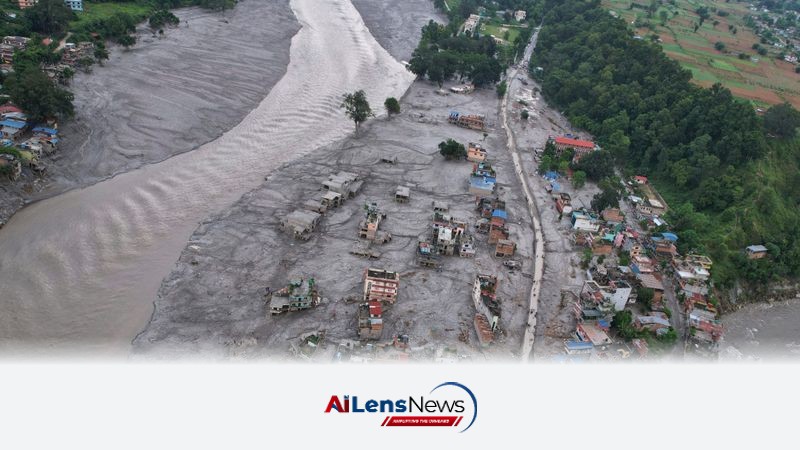



As Nepal grapples with devastating flash floods, the death toll has surged to 675, with hundreds still unaccounted for. Rescue operations continue amidst fears of further flooding.
New Delhi, India Aug 30, 2026 ALN: The recent flash floods in Nepal have led to a tragic increase in the death toll, which now stands at 675. The situation remains dire as search and rescue operations are ongoing, with authorities facing challenges due to renewed rainfall and rising water levels.
As of Saturday, the number of confirmed fatalities has risen to 675, with recovery operations still in progress. The floods have wreaked havoc in several regions, particularly in the Bhotekoshi River basin, where the risk of additional flooding looms large. Authorities are working tirelessly to locate and rescue those who remain unaccounted for.
Among the missing, 287 individuals have been reported untraceable, raising concerns for their safety. The government has mobilized resources to assist in the rescue efforts, deploying teams to the most affected areas. Local communities are also stepping in to help, providing shelter and support to those displaced by the floods.
The ongoing rescue operations are being complicated by the challenging terrain and weather conditions. Helicopters have been deployed to airlift stranded individuals, while ground teams are navigating through debris-laden paths to reach remote villages. The urgency of the situation is compounded by the fact that many areas are still experiencing intermittent rain, which increases the risk of further landslides and flooding.
The floods have not only claimed lives but have also caused significant damage to infrastructure. Roads and bridges have been washed away, complicating rescue and relief efforts. Many villages have been cut off from essential services, making it difficult for aid to reach those in need.
The destruction of infrastructure is particularly concerning in a country like Nepal, where many communities already face challenges related to access and mobility. The loss of roads and bridges hampers not only immediate rescue efforts but also long-term recovery and rebuilding initiatives. The government is faced with the daunting task of assessing the full extent of the damage, which will likely take weeks or even months.
In addition to the immediate humanitarian crisis, the long-term effects on the affected communities are expected to be profound. Residents are facing the loss of homes, livelihoods, and access to basic necessities. The government is working to assess the damage and plan for recovery, but the scale of the disaster poses significant challenges. Agricultural lands have been inundated, threatening food security for the coming months and years. Many farmers have lost their crops just before harvest season, which could lead to increased food prices and shortages.
The psychological impact of such a disaster cannot be overlooked either. Survivors are grappling with grief and trauma, having lost loved ones and their homes. Mental health support will be crucial in the recovery phase, as communities begin to rebuild their lives in the aftermath of this tragedy.
As the situation evolves, authorities are urging residents to remain vigilant and prepared for potential further flooding. The weather forecast indicates continued rainfall, which could exacerbate the already precarious situation. Emergency services are on high alert, ready to respond to any new developments.
The government is also coordinating with various non-governmental organizations (NGOs) and international agencies to ensure that relief efforts are efficient and effective. The international community is being called upon to assist in the relief efforts, as Nepal navigates this devastating crisis. Humanitarian aid, including food, clean water, medical supplies, and temporary shelters, is urgently needed.
In the coming days, the focus will remain on recovery and support for those affected by the floods. Efforts to provide aid will be prioritized, but the government is also beginning to discuss long-term strategies to mitigate the impact of future natural disasters. This includes improving infrastructure resilience, enhancing early warning systems, and implementing better land-use planning to reduce the risk of flooding in vulnerable areas.
In conclusion, the flash floods in Nepal have resulted in a significant loss of life and widespread destruction. The ongoing rescue efforts are crucial as the nation comes together to support those impacted by this disaster. The resilience of the Nepalese people will be tested in the coming months as they navigate the challenges of recovery and rebuilding in the wake of this catastrophic event.
To learn more about the latest developments in World News & International Affairs, stay updated with our exclusive reports and analyses on AILensNews.

Relatives of Jiwan Jyoti, missing after devastating floods in Nepal, are in sear…

During his visit to Tashkent, PM Modi emphasized the significance of the Yangi U…

Prime Minister Narendra Modi has arrived in Uzbekistan for a two-day visit aimed…

World leaders and European monarchs express their condolences and share memories…
The Islamic State is now encouraging local radicalization instead of foreign rec…