

More
Checking your session
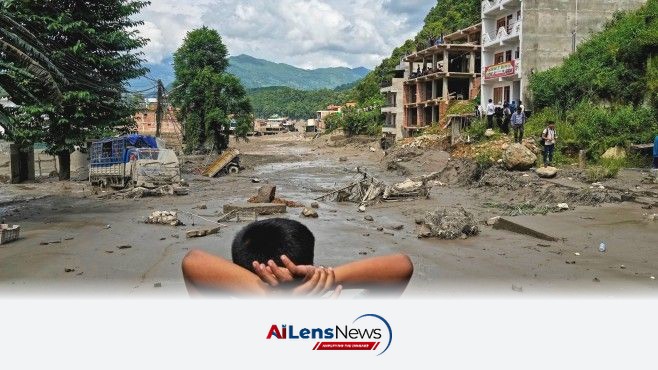



The devastating flash floods in Nepal have resulted in a rising death toll of 359, with approximately 910 individuals reported missing as rescue operations continue.
New Delhi, India Aug 28, 2026 ALN: In a tragic turn of events, Nepal is grappling with the aftermath of severe flash floods that have claimed the lives of at least 359 individuals. The catastrophic weather conditions have left around 910 people missing, prompting urgent rescue operations across the affected regions. The scale of this disaster is unprecedented in recent memory, drawing comparisons to past natural calamities that have struck the region, yet this event's severity underscores the growing concerns surrounding climate change and its impacts on vulnerable communities.
The floods, triggered by heavy monsoon rains, have wreaked havoc in various districts, leading to widespread destruction of infrastructure and homes. The monsoon season in Nepal typically runs from June to September, and while heavy rains are expected, the intensity of this year's downpours has been alarming. Meteorologists have noted that the rainfall in some areas exceeded historical averages, raising questions about climatic shifts and their implications for future weather patterns. Local authorities have mobilized rescue teams to search for survivors, but the challenging conditions have hampered their efforts. Landslides, further exacerbated by the saturated ground, have made many areas inaccessible, complicating rescue and relief operations.
Many communities have been left isolated, with roads washed away and communication lines disrupted. The floods have not only caused immediate loss of life but have also led to significant displacement, with thousands of individuals forced to evacuate their homes. Villagers are struggling to access basic necessities such as food, clean water, and medical aid. In many areas, local markets have been destroyed, leaving residents without access to essential supplies. The government has declared a state of emergency in the hardest-hit areas to facilitate relief efforts. This declaration allows for the mobilization of additional resources and the implementation of emergency measures to assist those affected.
The Nepalese government has announced plans to deploy additional resources and personnel to assist in the rescue and recovery operations. Prime Minister Pushpa Kamal Dahal expressed condolences to the families of the victims and assured that the government would do everything possible to support those affected. The Prime Minister's office has coordinated with various ministries to streamline the response and ensure that aid reaches the most affected areas promptly. Moreover, local government bodies have been instructed to assess the damage and report on the specific needs of their communities, which will help in tailoring the relief efforts more effectively.
In response to the crisis, several international organizations have pledged support. Aid agencies are coordinating efforts to provide essential supplies and medical assistance to the flood-affected regions. Organizations such as the United Nations and various non-governmental organizations have mobilized teams to deliver food, water, and medical supplies. The situation remains dire, and the need for immediate humanitarian aid is critical. International donors are being urged to contribute to relief funds, and there is a call for a coordinated global response to assist Nepal in this time of need.
As rescue operations continue, the focus will also shift to long-term recovery and rehabilitation efforts. Experts are warning that climate change may exacerbate such extreme weather events in the future, highlighting the need for improved disaster preparedness and infrastructure resilience. The devastation caused by the floods serves as a stark reminder of the vulnerabilities faced by communities in Nepal, particularly in rural areas where infrastructure is often inadequate. In light of this disaster, there is an urgent need for investment in climate-resilient infrastructure, including better drainage systems, flood barriers, and early warning systems that can help mitigate the impacts of future floods.
The people of Nepal are facing a challenging road ahead, but with the collective efforts of the government, local communities, and international partners, there is hope for recovery and rebuilding. The resilience of the Nepalese people has been tested time and again through various natural disasters, and while the immediate focus is on saving lives and providing relief, it is equally important to develop strategies that will enhance the country's capacity to withstand future disasters. This includes not only physical infrastructure improvements but also community education on disaster preparedness and response, which can empower local populations to better handle the challenges posed by natural calamities.
To learn more about the latest developments in World News & International Affairs, stay updated with our exclusive reports and analyses on AILensNews.

Tjada McKenna emphasizes the urgent need for a reevaluation of international hum…

Kuwait's Ambassador to Indonesia and the Indonesian Minister of Villages discuss…

The USS Theodore Roosevelt strike group is set to deploy to the Middle East, rel…

A 6.0-magnitude earthquake struck the Gulf of Aden early Friday, with reports of…

The Meghalaya government is appealing for information regarding residents unacco…