

More
Checking your session
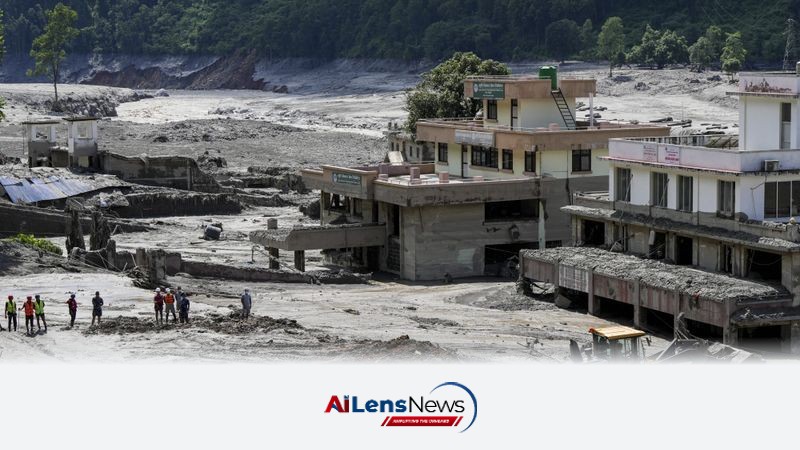



As Nepal grapples with devastating flash floods, 255 Indians remain unaccounted for, while 84 have been rescued. The death toll has tragically risen to 392.
New Delhi, India Aug 28, 2026 ALN: In a tragic turn of events, Nepal is facing a humanitarian crisis following devastating flash floods that have claimed at least 392 lives. Among the affected, 255 Indians, including many pilgrims on their way to Kailash Mansarovar, are still reported missing. The floods have not only caused immense human suffering but have also highlighted the vulnerabilities of the region to extreme weather events, exacerbated by climate change.
The floods, which struck on Wednesday, have caused widespread destruction across various regions of Nepal, leading to significant communication disruptions. The rapid onset of the floods has made it difficult for rescue teams to assess the full extent of the damage, as many areas remain inaccessible. Rescue operations are underway, with 84 individuals successfully rescued so far. However, the search for the missing continues amidst challenging conditions, including landslides and further rainfall that complicate recovery efforts.
Many of the missing individuals are believed to be pilgrims who were traveling to the sacred Kailash Mansarovar, a revered site for Hindus and Buddhists alike. The pilgrimage is a significant spiritual journey for many, drawing thousands of devotees each year. The Indian government has intensified its efforts to locate these individuals, coordinating with Nepali authorities to ensure their safety. The Ministry of External Affairs in India is working closely with local authorities to establish communication lines and facilitate the safe return of any survivors.
The rescue operations are being hampered by the severe weather conditions and the extensive damage to infrastructure. Many roads have been washed away, and bridges have collapsed, isolating entire communities. Emergency services are working tirelessly to reach isolated areas, but the situation remains precarious. Helicopters have been deployed to airlift individuals from the most affected regions, although the inclement weather poses a significant risk to these operations. In addition, local search and rescue teams are mobilizing to assist, often working in treacherous conditions to find survivors.
The Indian government has expressed its deep concern over the situation and is in constant communication with its embassy in Nepal. Officials are urging families of the missing to remain hopeful as efforts continue to locate their loved ones. Additionally, the Indian government is coordinating with the Nepalese government to ensure that resources are adequately allocated for rescue and relief operations. This collaborative approach is crucial, given the shared cultural and historical ties between the two nations, which have fostered a spirit of cooperation in times of crisis.
Local communities in Nepal are coming together to support those affected by the floods. Relief efforts are being organized, providing food, shelter, and medical assistance to those in need. Many non-governmental organizations (NGOs) and local volunteers are stepping in to fill the gaps left by governmental response, mobilizing resources and aid to the hardest-hit areas. The solidarity shown by the local population is a testament to the resilience of communities in the face of adversity. However, the scale of the disaster has put immense pressure on these grassroots efforts, as the demand for assistance far exceeds the available resources.
This incident is not an isolated event but part of a larger pattern of extreme weather phenomena in the region. Nepal is particularly vulnerable to flash floods and landslides due to its mountainous terrain and monsoon climate. Climate change has been linked to an increase in the frequency and intensity of such weather events, raising concerns about future disasters. The government of Nepal has been urged to invest in better infrastructure and disaster preparedness programs to mitigate the impact of such calamities in the future.
The ongoing crisis has significant implications for both Nepal and India, particularly concerning cross-border cooperation in disaster management. As the search for the missing continues, the need for improved communication and resource sharing between the two countries has become evident. Furthermore, the humanitarian response to this crisis may set a precedent for how both nations handle future disasters, especially in terms of preparedness and response strategies.
The situation remains fluid, and updates will be provided as more information becomes available. The focus remains on rescuing those still missing and providing aid to the affected regions. In conclusion, the flash floods in Nepal have led to a tragic loss of life and have left many families in distress. The ongoing rescue operations and community support are crucial in navigating this crisis. As the days progress, the hope is that more individuals will be found safe, and that the affected communities will receive the necessary support to rebuild their lives.
To learn more about the latest developments in World News & International Affairs, stay updated with our exclusive reports and analyses on AILensNews.

Tjada McKenna emphasizes the urgent need for a reevaluation of international hum…

Kuwait's Ambassador to Indonesia and the Indonesian Minister of Villages discuss…

The USS Theodore Roosevelt strike group is set to deploy to the Middle East, rel…

A 6.0-magnitude earthquake struck the Gulf of Aden early Friday, with reports of…

The Meghalaya government is appealing for information regarding residents unacco…