

More
Checking your session
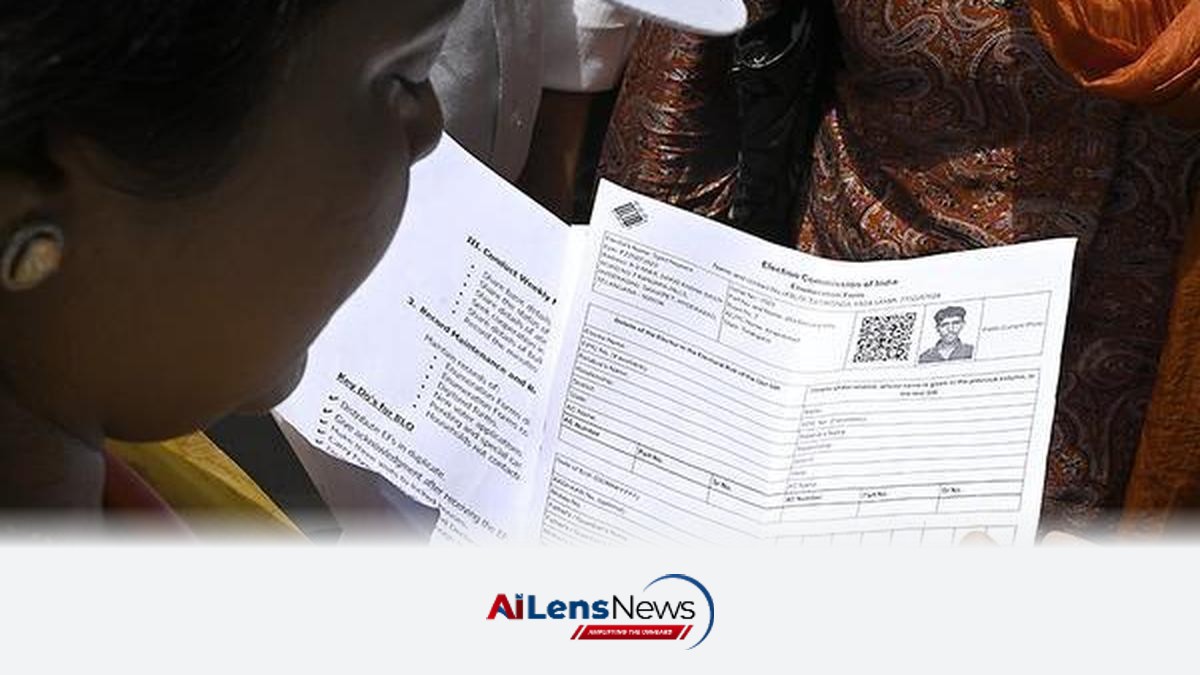



OBC groups are urging the government to implement mandatory caste coding in the Census, warning that unscientific enumeration could waste public funds.
New Delhi, India Aug 31, 2026 ALN: A conference held on August 30, 2026, by leaders representing Other Backward Classes (OBCs) has sparked significant debate over the importance of caste enumeration in the upcoming nationwide Census. The leaders are advocating for the Central government to implement mandatory caste coding, which would involve assigning a unique identifier to each caste. This initiative is rooted in the belief that conducting a Census without these measures would not only undermine the integrity of the data collected but also result in a misuse of public funds. The leaders have emphasized that the Census exercise should be suspended until a nationwide consensus is reached on this critical issue, highlighting the urgency and importance of their demands.
The conference was chaired by T. Chiranjeevulu, a former Indian Administrative Service (IAS) officer and the chairman of the Backwards Classes Intellectual Forum. He was joined by G. Kiran Kumar, the president of the All India OBC Students Association. Both leaders have played pivotal roles in advocating for the rights and recognition of OBCs within the Indian socio-political landscape, and their involvement in this conference underscores the significance of the issue at hand.
During the discussions, various speakers articulated the necessity of assigning a unique code to every caste, arguing that this would enhance the scientific validity of the Census. They pointed out that, similar to how separate columns are provided for Scheduled Castes (SC) and Scheduled Tribes (ST) in the Census, distinct columns should also be created for OBCs and the General Category. This would allow for a more accurate representation of the diverse social fabric of India and ensure that the specific needs of different communities are adequately addressed in policy-making.
The call for caste coding is not just a technical concern; it has broader implications for social justice and equity in India. The OBC community has historically faced socio-economic disadvantages, and accurate data collection is essential for implementing targeted welfare schemes and affirmative action policies. By ensuring that OBCs are properly enumerated and recognized in the Census, the government can better allocate resources and design programs that effectively address the needs of these communities. This is particularly important in a country as diverse as India, where caste identities can significantly influence access to education, employment, and social mobility.
Concerns about the potential waste of resources were echoed by DMK leader and Rajya Sabha MP P. Wilson, along with professor Yogendra Yadav, who warned that the approximately ₹12,800 crore allocated by the Centre for the Census could be squandered if the exercise is conducted merely as a formality without proper scientific planning. They cautioned that a nationwide movement could emerge if their demands are overlooked, indicating the potential for significant public unrest if the OBC community feels marginalized in the Census process.
Opposition parties, including the Congress, have also voiced their objections to the proposed open-ended format for recording caste details in the Census. They argue that the same caste may be referred to by different names, sub-castes, and linguistic variants across various regions of the country. This diversity complicates the task of accurately capturing caste data, raising concerns that the proposed system may fail to reflect the true complexity of India's social structure. The opposition's stance highlights the need for a nuanced approach to caste enumeration that recognizes regional variations while still capturing the essential data needed for effective governance.
The demand for mandatory caste coding has reignited a long-standing debate in India about the role of caste in society and governance. The Census is a critical tool for understanding demographic trends, and the way caste is recorded can have far-reaching implications for political representation, resource allocation, and social justice initiatives. As India continues to grapple with issues of inequality and social stratification, the outcome of this Census could shape the trajectory of policies aimed at fostering inclusivity and equity.
Moreover, the discussions surrounding caste enumeration are taking place against the backdrop of a broader societal discourse about identity, representation, and the legacy of caste discrimination. The Indian Constitution provides for affirmative action to uplift marginalized communities, and accurate Census data is vital for ensuring that these provisions are effectively implemented. The push for caste coding is, therefore, not just a technical issue but a matter of fundamental rights for millions of Indians who belong to OBCs and other marginalized groups.
As the Central government prepares for the Census, the demands from OBC leaders and other stakeholders will likely continue to shape the conversation around caste and representation in India. The outcome of these discussions will be closely monitored by various community organizations, political parties, and social activists, all of whom have a vested interest in ensuring that the Census reflects the true diversity of the Indian populace. The implications of these decisions will extend beyond the Census itself, influencing policy frameworks and the socio-political landscape in the years to come.
To learn more about the latest developments in Politics, stay updated with our exclusive reports and analyses on AILensNews.

Lebanon president says agreement with Israel 'does not legitimise' occupation

Tom Tugendhat is set to take over as shadow foreign secretary from Priti Patel a…

Kolkata Police have issued a summons to Derek O’Brien in connection with the rem…

British far-right commentator Milo Yiannopoulos has been deported back to the UK…

The BBC is under scrutiny for not reporting on Keir Starmer's £94,000 travel cos…