

More
Checking your session
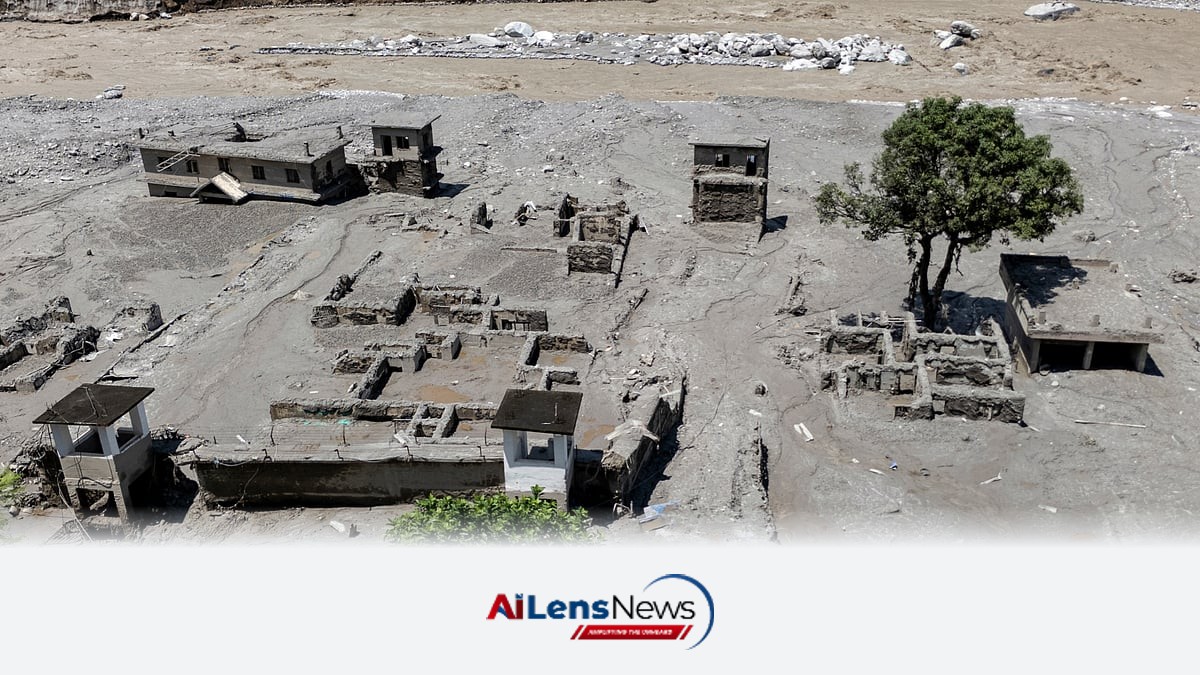



Thirty-seven pilgrims from Maharashtra stranded in Tibet after the Kailash Mansarovar Yatra have begun their journey to Kathmandu, thanks to swift government intervention.
New Delhi, India Aug 28, 2026 ALN: As many as 37 pilgrims from Maharashtra who were stranded in Tibet after completing their Kailash Mansarovar Yatra, amid flash floods in Nepal, departed for Kathmandu on Friday morning following the intervention of Chief Minister Devendra Fadnavis.
According to the Chief Minister's Office (CMO), the group, which includes pilgrims from Thane, Pune, Raigad, Alibag, and Dombivli, left Saga, Tibet around 6 am via the Nyalam check-post and is travelling safely towards the Nepalese capital.
The Kailash Mansarovar Yatra is a significant pilgrimage for many Hindus, who believe that a visit to the sacred Mount Kailash and the Mansarovar Lake can lead to spiritual liberation. The journey, often fraught with challenges due to its high-altitude terrain and unpredictable weather, typically attracts thousands of pilgrims every year. However, the recent natural calamities have highlighted the risks associated with such undertakings.
Their return flight from Kathmandu is scheduled for 2 pm on August 29, making it critical for them to reach the capital in time, the statement said. The urgency of their travel is compounded by the fact that they are not only facing logistical challenges but also the broader implications of the ongoing floods in Nepal, which have disrupted transportation routes and communication lines.
The group, accompanied by Pramod Kene of Jai Girnari Trust, Alibag, had been stranded at Saga while returning from Kailash Mansarovar Yatra as floods struck Nepal. The situation was precarious, as the floods not only threatened the safety of the pilgrims but also posed significant risks to the local population and infrastructure.
The CMO stated that pilgrims Nitin Shirke and Rakesh Jitekar alerted Fadnavis about their situation through Maharashtra BJP president Ravindra Chavan. This highlights the role of local political leaders in addressing the concerns of citizens abroad, especially in times of crisis. The swift communication between the stranded pilgrims and state officials underscores the importance of having effective channels for assistance during emergencies.
Upon learning of their plight, the chief minister immediately directed officials to take necessary measures, following which the state government urgently coordinated with the Ministry of External Affairs (MEA). The MEA plays a crucial role in managing the welfare of Indian citizens abroad, particularly in crisis situations where immediate assistance is required. The ministry promptly extended the required assistance to facilitate their movement, the release said.
The pilgrims expressed their gratitude to Fadnavis, the Maharashtra government, and the MEA for their swift intervention during the crisis, it added. This gratitude reflects the importance of government support in ensuring the safety and well-being of citizens, particularly during international travel.
The massive flash flood originating in Tibet swept through central Nepal on Wednesday, devastating several towns and villages, washing away critical bridges and crippling a dozen hydropower projects as it gushed downstream, affecting multiple districts. The severity of the floods has raised concerns not only for the immediate safety of those caught in the disaster but also for the long-term implications on the infrastructure and economy of the affected areas.
Earlier, the state Disaster Management Department had said that at least 114 people from Maharashtra were stuck in the Himalayan nation, and 53 of them were confirmed safe. This figure indicates the scale of the crisis, highlighting that many more individuals may still be in precarious situations, waiting for assistance. The state government's proactive measures to ensure the safe return of its citizens reflect a commitment to public safety and welfare, especially in light of the challenges posed by natural disasters.
The situation in Nepal is further complicated by the ongoing monsoon season, which typically brings heavy rainfall to the region, exacerbating the risks of landslides and flooding. This year's monsoon has been particularly severe, with reports of significant rainfall leading to widespread flooding and displacement of communities. The Nepalese government is likely to face challenges in managing the immediate humanitarian needs of those affected while also working on long-term recovery and rebuilding efforts.
The implications of these floods extend beyond immediate safety concerns. The destruction of infrastructure, such as bridges and roads, can hinder not only the return of pilgrims but also the movement of goods and services in the region. This can have a cascading effect on local economies, particularly in areas that rely on tourism and pilgrimage as a significant source of income.
As the situation develops, the focus will likely shift to recovery efforts in Nepal and the measures that can be taken to prevent such disasters in the future. The need for improved infrastructure, better disaster preparedness, and effective response strategies will be critical in mitigating the impacts of natural calamities in the region. Additionally, the experiences of pilgrims and travelers during such crises can inform future policies regarding travel safety and emergency response for Indian citizens abroad.
To learn more about the latest developments in Local & Regional, stay updated with our exclusive reports and analyses on AILensNews.

Claire Kellerman, embroiled in a legal dispute over her assistance dog, shares h…

The District Road Safety Committee in Kamrup convened to assess road safety and …

Acting Manpower Minister Jasmin Lau's comments on AI's limited impact on job sub…

A painted bronzeback snake was spotted outside a glass enclosure at Mandai's Rep…

The Assam College Principals’ Council has provided financial assistance to colle…