

More
Checking your session
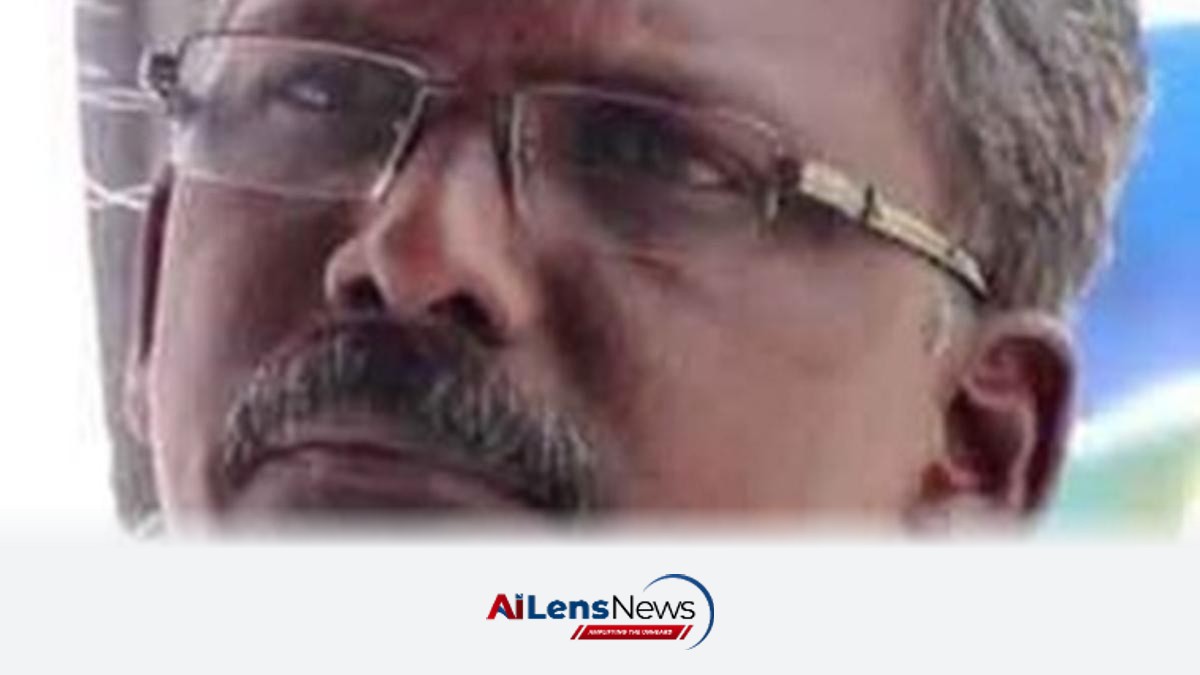



Dalit activist Sunny Kapikad has been booked for allegedly making derogatory remarks about Lord Ayyappa and Malikappurathamma during an event, prompting police complaints.
Thiruvananthapuram, India Aug 28, 2026 ALN: Home Minister Ramesh Chennithala announced on Friday that a case has been registered against Dalit activist Sunny M. Kapikad for his alleged derogatory remarks concerning Sabarimala deities, Lord Ayyappa and Malikappurathamma. This announcement follows a growing concern over the intersection of public speech, religious sentiments, and the legal ramifications of derogatory comments made by public figures.
In response to inquiries regarding the lack of immediate action against Mr. Kapikad, Chennithala confirmed to reporters, “A case has already been registered.” The legal action against Kapikad comes amid ongoing debates about the boundaries of free speech, particularly in a country like India, where religious sentiments are deeply intertwined with cultural identity.
During a recent event at an educational institution, Mr. Kapikad reportedly used sexually derogatory language while discussing Lord Ayyappa and Malikappurathamma. His comments were perceived as not only disrespectful to the deities but also offensive to the millions of devotees who hold these figures in high regard. The use of such language has sparked outrage among devotees and has raised questions about the responsibilities of activists and public figures when addressing sensitive topics.
Following the incident, several complaints were lodged with the police by BJP leaders, voluntary organizations linked to Sabarimala, and activist Rahul Easwar. These groups have expressed their discontent and demanded that a case be registered against Kapikad for his remarks. The BJP leaders have also called upon the Chief Minister to review the full video of the alleged comments to understand their context and to initiate appropriate legal action.
This incident has reignited discussions about the sensitivity surrounding religious sentiments and the responsibilities of public figures in their speech. The Sabarimala temple, dedicated to Lord Ayyappa, is one of the most significant pilgrimage sites for Hindus in India, attracting millions of devotees each year. The temple's history and the rituals associated with it are deeply revered, making any derogatory remarks particularly contentious.
The Sabarimala temple is located in the Western Ghats of and is known for its unique traditions, including a 41-day period of penance that devotees undertake before visiting the shrine. The temple has been the focus of various social and political movements, particularly regarding issues of gender and access. In recent years, the Supreme Court of India ruled in favor of allowing women of all ages to enter the temple, a decision that led to widespread protests and discussions about gender equality, religious freedom, and the rights of devotees.
The temple's significance extends beyond religious practices; it is a symbol of cultural identity for many in the region. The backlash against derogatory remarks about its deities can be understood within this context, as it touches upon the core values and beliefs of a substantial section of the population.
The remarks made by Mr. Kapikad have drawn significant backlash from various groups, with many expressing their discontent over the use of derogatory language towards revered figures in the Hindu faith. Social media platforms have been flooded with reactions, ranging from calls for legal action to demands for greater accountability from public figures. The situation highlights the ongoing tensions surrounding religious discourse in the region and the broader implications of such incidents on societal harmony.
As the case unfolds, it remains to be seen how the legal proceedings will progress and what implications this will have for public discourse regarding religious figures in India. The incident serves as a reminder of the delicate balance that must be maintained between free speech and respect for religious beliefs. In a diverse and pluralistic society like India, where multiple faiths coexist, the challenge lies in fostering an environment where open dialogue can occur without infringing on the sentiments of various communities.
Furthermore, this incident raises questions about the role of social media in amplifying both support and dissent in such cases. As more individuals take to platforms to express their views, the potential for misunderstandings and escalations increases, necessitating careful navigation by all parties involved.
In conclusion, the case against Sunny M. Kapikad not only highlights the legal ramifications of derogatory remarks concerning religious figures but also underscores the need for sensitivity and accountability among public figures. The implications of this incident will likely resonate beyond the immediate legal context, influencing discussions around freedom of expression, respect for religious beliefs, and the responsibilities of activists in a diverse society.
To learn more about the latest developments in Crime & Law, stay updated with our exclusive reports and analyses on AILensNews.
Home Minister Ramesh Chennithala has directed the Crime Branch to verify claims …

The government has sanctioned the first phase of the KSRTC bus terminal project …
Governor Rajendra Vishwanath Arlekar summons PSC Secretary Saju George regarding…

The Alappuzha murder case, involving four minors, raises significant legal quest…

The protest by SFI activists at Sree Sankaracharya University has sparked a heat…