

More
Checking your session
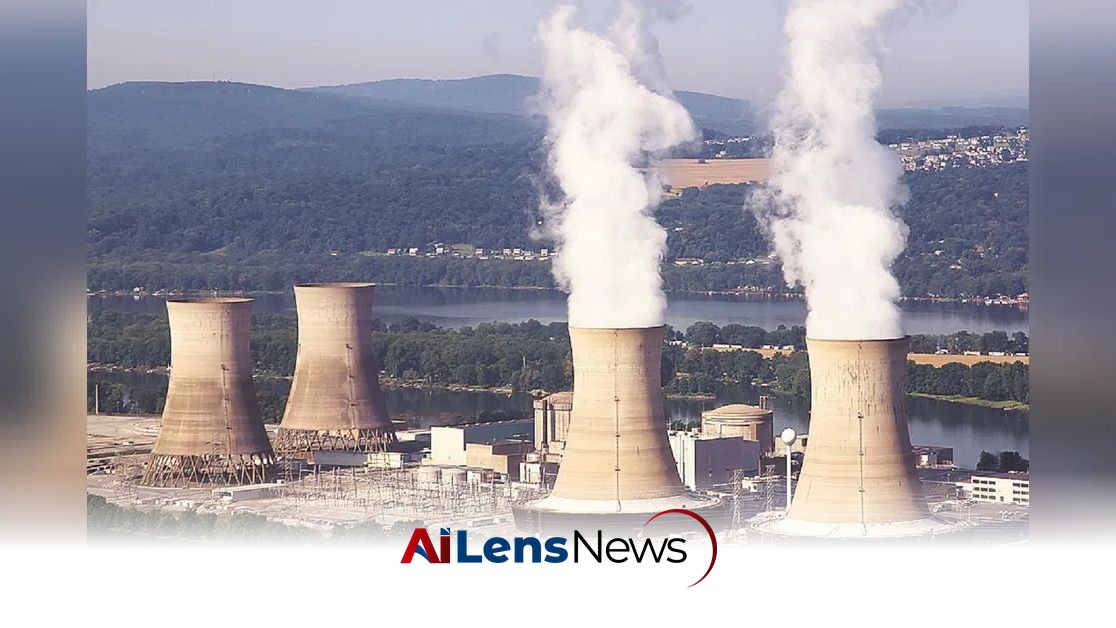



India has proposed new draft rules to allow private companies to engage foreign reactor technologies, aiming to expand its nuclear power generation capacity significantly.
New Delhi, India Aug 15, 2026 ALN: India's recent proposal to establish a tightly supervised approval regime for private nuclear power generation marks a significant turning point in the nation's energy policy. This initiative is aimed at attracting foreign investment and advanced reactor technologies, which could play a crucial role in boosting the country's nuclear power generation capabilities. The draft regulations provide a comprehensive framework that outlines how New Delhi intends to open a historically state-controlled sector to private and foreign investors while maintaining stringent oversight and control over operations.
The context for this regulatory shift is rooted in India's long-standing ambitions to enhance its energy security and reduce its reliance on fossil fuels. As the world's third-largest greenhouse gas emitter, India faces mounting pressure to transition to cleaner energy sources in order to meet both domestic energy demands and international climate commitments. The country has set an ambitious target to expand its nuclear generation capacity twelve-fold to 100 gigawatts (GW) over the next two decades. Achieving this goal necessitates significant private investment and access to cutting-edge foreign technology, which the new regulations are designed to facilitate.
Historically, India's nuclear industry has been characterized by heavy state control and limited access to foreign technology and fuel. This situation can be traced back to the 1974 nuclear test explosion, which led to international sanctions and restrictions on India's nuclear program. For decades, the country has operated under a framework that prioritized self-sufficiency and strategic autonomy in nuclear energy, often at the expense of technological advancement and international collaboration.
However, recognizing the need for modernization and the advantages of global partnerships, India amended the nuclear energy act last year to allow private companies to construct and operate nuclear projects. This legislative change was a pivotal moment, as it opened the door for private investment while ensuring that the government retains control over licensing and strategic nuclear materials. The latest draft regulations build upon this foundation, providing a clearer pathway for private and foreign entities to engage in India's nuclear sector.
Under the proposed regulations, companies seeking to enter the nuclear power market will first need to secure an approval in principle. This initial approval allows them to engage with vendors, conduct preliminary development work, and secure land for their projects. Following this, they must obtain a formal license, which will be contingent upon meeting stringent regulatory requirements. The regulations outline a stage-by-stage scrutiny process that covers all phases of a nuclear project, including design, siting, construction, commissioning, and operation. This meticulous oversight is designed to ensure that safety and regulatory standards are upheld at every stage of development.
A notable feature of the draft regulations is the enhanced oversight powers granted to regulators, including the authority to halt work at critical project stages if safety concerns arise. This regulatory framework aims to instill confidence among stakeholders regarding the safety and reliability of nuclear power generation in India. Furthermore, the regulations stipulate that reactor designs must have established operating records in overseas markets, reinforcing the emphasis on safety and proven technology.
In a bid to attract foreign vendors, the draft regulations also address one of the longstanding concerns regarding liability in the event of nuclear accidents. By capping the liability of nuclear equipment suppliers, the Indian government hopes to alleviate fears among potential investors and encourage companies such as General Electric, Westinghouse Electric, and EDF to participate in the Indian nuclear market. This move reflects a broader strategy to revitalize interest in India's nuclear sector and position the country as an attractive destination for foreign investment in clean energy technologies.
In addition to regulatory changes, the draft regulations impose financial security requirements on nuclear power developers. They will be required to maintain adequate financial resources to cover nuclear liability, decommissioning, and waste management obligations. Moreover, developers must submit comprehensive plans for the management of radioactive waste, ensuring that environmental and safety considerations are prioritized throughout the lifecycle of nuclear projects.
The implications of these new regulations extend beyond immediate investment opportunities; they signal a broader shift in India's energy landscape. By embracing a more open and collaborative approach to nuclear power generation, India is positioning itself to leverage global expertise and technology in its quest for a sustainable energy future. This could lead to the establishment of partnerships with leading international firms, fostering innovation and knowledge transfer that can benefit the domestic energy sector.
Furthermore, the successful implementation of these regulations could serve as a model for other countries seeking to modernize their nuclear energy frameworks. As nations around the world grapple with the challenges of climate change and energy security, India's approach may provide valuable insights into how to balance private investment, regulatory oversight, and safety considerations in the nuclear sector.
In conclusion, India's proposed regulations for private nuclear power generation represent a significant step towards transforming the country's energy landscape. By opening the door to foreign investment and advanced technologies while ensuring stringent oversight and safety measures, India aims to enhance its nuclear capacity and contribute to global efforts in combating climate change. As the country embarks on this ambitious journey, the successful integration of private and foreign players into its nuclear sector will be closely watched by stakeholders both domestically and internationally.
To learn more about the latest developments in Crime & Law, stay updated with our exclusive reports and analyses on AILensNews.


As the wine harvest season begins in Austria, locals indulge in Sturm, a sweet, …
In a significant operation, Assam Rifles and DRI seized meth tablets valued at R…

A private vehicle belonging to an Assam Police jawan was set ablaze near the Ass…
The Food Corporation of India has initiated a probe into a viral video featuring…