

More
Checking your session
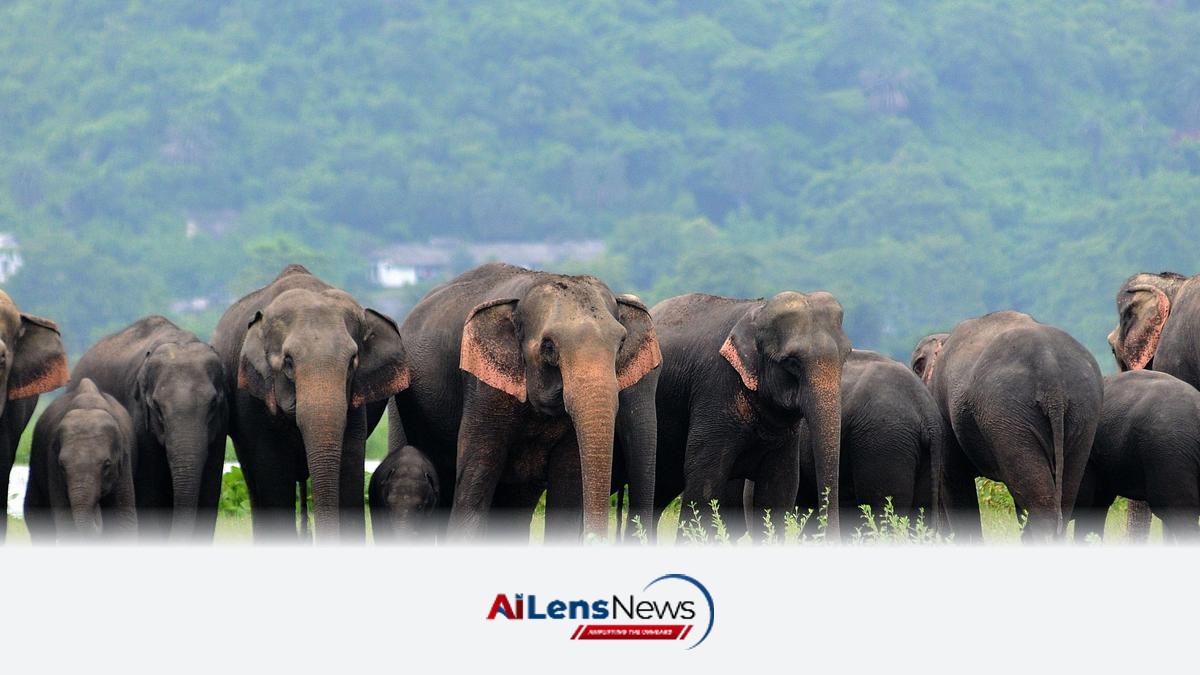



A new initiative in Assam seeks to enhance elephant habitats by managing invasive plants and converting them into biochar, promoting ecosystem health.
Dispur, India Aug 23, 2026 ALN: GUWAHATI
A project in Assam to improve the quality of an elephant habitat could turn a botanical liability into a carbon-rich asset. The initiative is particularly significant given the increasing pressure on natural habitats from both human activity and invasive species. Assam, known for its rich biodiversity, is home to the Indian elephant, which relies on a diverse range of vegetation for sustenance. However, the encroachment of invasive alien plants (IAPs) has posed a substantial threat to these natural ecosystems.
For decades, Assam Forest Department officials have struggled to deal with at least half a dozen invasive alien plants that have been constricting local vegetation and reducing the food options for herbivores. These invasive species often outcompete native flora, leading to a decline in biodiversity and altering the ecological balance of the region. This is particularly concerning for large herbivores like elephants, which require a varied diet of native plants to thrive.
The targeted IAP management project is being implemented in the Khalingduar Reserve Forest, located under the Dhansiri Forest Division of Udalguri district, which borders Bhutan. A two-hectare area has been selected in this reserve forest in the Bodoland Territorial Region (BTR) for the project, which focuses on managing dense stands of three specific IAP species: Lantana camara, Chromolaena odorata, and Mikania micrantha. These species are notorious for their aggressive growth patterns, which can lead to significant ecological disruption.
Although these species have been known to contribute as nectar resources or structural cover, their proliferation into dense stands is altering native plant communities and constraining regeneration. This is problematic not only for elephants but also for the entire ecosystem, as the loss of native plants can have cascading effects on other species that depend on them for food and habitat.
Aaranyak, a Guwahati-based biodiversity conservation organization, is undertaking the Inter Elephant Foundation-supported project. This collaboration highlights the importance of partnerships in conservation efforts, as local organizations often have the necessary expertise and understanding of the regional ecological dynamics. The programme targets native vegetation recovery through targeted IAP management, seed-ball-assisted regeneration, and conversion of cleared biomass into biochar.
Biochar is a fine-grained, porous, charcoal-like substance made by heating organic waste in a controlled environment with little to no oxygen. Instead of burning to ash, this thermal process transforms the biomass into a stable, solid form of carbon that resists decay and can remain in the ground for thousands of years. The use of biochar in this project serves multiple purposes: it helps improve soil fertility, enhances water retention, and provides a habitat for beneficial microorganisms.
The properties of biochar can vary considerably depending on the feedstock used and the conditions under which it is produced. Its porous structure can influence soil water retention, nutrient retention, aggregation, and microbial habitat, making it a valuable tool in ecological restoration efforts. This innovative approach not only addresses the immediate issue of IAPs but also contributes to long-term soil health and carbon sequestration.
According to Aaranyak’s team members, including Rabiya Daimari, Bistirna Burhagohain, Bikash Tossa, Manav Nayak, and Pradip Barman, the three species chosen for management compete with native vegetation for light, space, moisture, and nutrients. The competition posed by these IAPs gradually stifles the growth and recovery of native grasses, herbs, shrubs, and naturally regenerating trees. This is particularly concerning for elephants and other herbivores that depend on a diverse forage base comprising local grasses and plants.
The team conducted a thorough survey of the existing vegetation in the project area to identify patches with substantial IAP dominance. Based on the findings, the IAPs were manually uprooted in the target area to minimize regrowth and reduce competitive pressure on regenerating vegetation. This manual removal is a labor-intensive process but is essential for ensuring the success of the project. It allows for a more controlled and effective management of invasive species compared to chemical methods, which can have detrimental effects on the surrounding ecosystem.
“The Khalingduar project can be a game-changer for the management of IAPs,” stated Sonali Ghosh, the Additional Principal Chief Conservator of Forests and BTR’s Council Head of Department. This statement emphasizes the potential impact of the project not only on the local ecosystem but also on broader conservation efforts in the region. If successful, the methodologies developed in this project could serve as a model for similar initiatives in other parts of Assam and beyond.
The Aaranyak team has committed to monitoring the project area periodically for IAP re-emergence and regeneration. This ongoing assessment is crucial for the long-term sustainability of the project, as it allows for timely interventions to prevent renewed dominance of invasive species. Subsequent removal of IAPs will be undertaken where necessary to sustain the space created for native vegetation recovery.
The implications of this project extend beyond just the immediate habitat restoration. By enhancing the quality of elephant habitats, the initiative contributes to the conservation of elephants, which are classified as endangered due to habitat loss and poaching. Furthermore, the project aligns with broader environmental goals, including carbon sequestration and biodiversity conservation, which are increasingly recognized as vital in the face of climate change. The integration of innovative techniques such as biochar production into habitat restoration efforts exemplifies the potential for combining traditional conservation practices with modern scientific approaches to achieve sustainable outcomes.
To learn more about the latest developments in Science & Environment, stay updated with our exclusive reports and analyses on AILensNews.

In a significant operation, Assam Rifles and DRI seized meth tablets valued at R…
In a significant anti-drug operation, Assam Police seized 1.48 kg of heroin wort…
The Sivasagar district administration has extended the Rapid Damage Assessment S…

A school bus accident in Bokakhat, Assam, has left three people injured, includi…

Assam faces annual flooding challenges, impacting agriculture and livelihoods. L…