

More
Checking your session
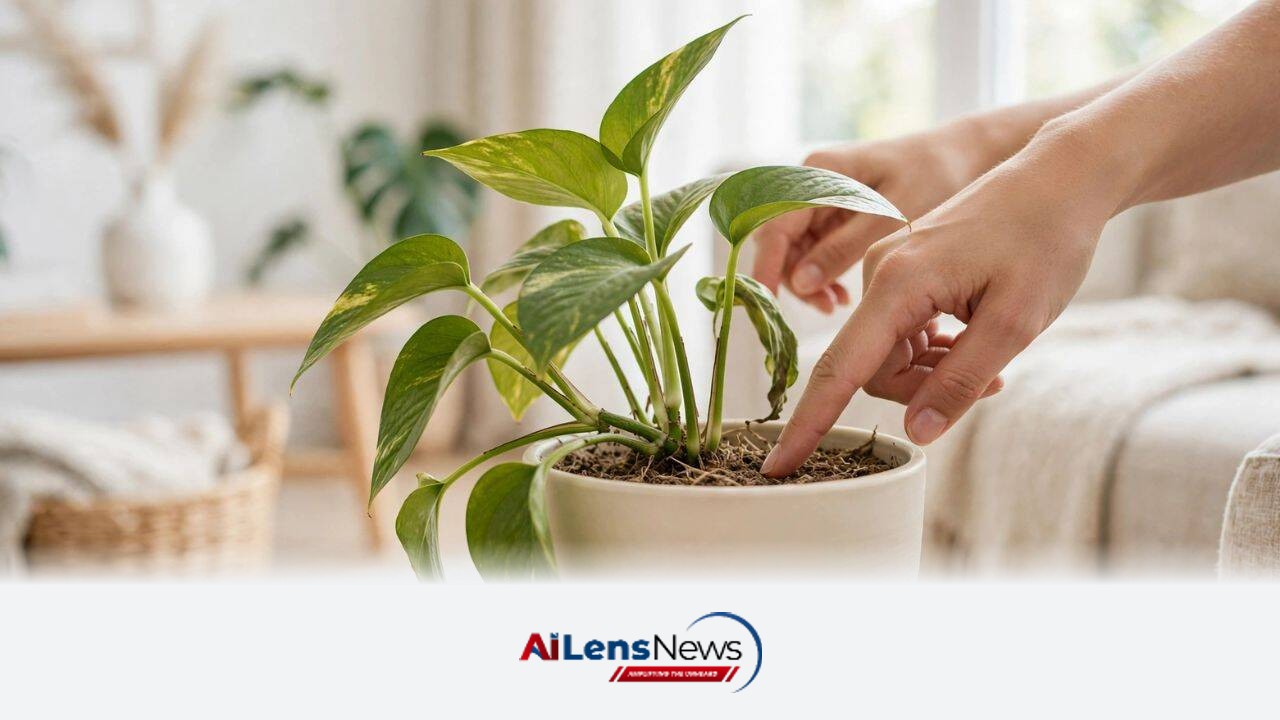



Learn to identify when your houseplant needs watering with these five key signs and effective watering tips for optimal plant health.
New Delhi, India Aug 27, 2026 ALN: Houseplants can bring a sense of vibrancy and tranquility to your home, enhancing both decor and air quality. However, knowing when to water them is crucial for their health and longevity. Overwatering or underwatering can lead to a myriad of problems, including root rot or stunted growth. Understanding the specific needs of your plants, including their watering requirements, can make a significant difference in their overall well-being. Here are five signs that indicate your houseplant may need water, along with some simple watering tips to ensure your plants thrive.
One of the most noticeable signs that your houseplant needs water is drooping leaves. When the plant is thirsty, the leaves may start to sag, indicating that it is not receiving enough moisture. This symptom is often one of the first to appear, as plants tend to conserve water by reducing leaf turgidity. If you notice drooping leaves, it is essential to act quickly, as prolonged dehydration can lead to irreversible damage. In some cases, plants may also droop as a response to overwatering, so it’s important to assess the overall condition of the soil and the plant before making any adjustments.
New growth that appears wilted or limp is another clear indicator of a thirsty plant. This is particularly crucial to watch for, as new leaves are more sensitive to changes in moisture levels. Young leaves are still developing their structure and may not have the resilience of older foliage. If you see that new growth is wilting, it’s a strong signal that the plant's roots are not able to uptake sufficient water. In addition to watering, consider the plant's environment; factors such as light exposure and temperature can also influence how quickly the soil dries out.
If you notice that the edges of the leaves are turning brown and dry, it may be a sign that the plant is not getting enough water. However, it’s essential to check other conditions, as this can also be caused by low humidity or other environmental factors. For example, plants like ferns and tropical varieties thrive in humid environments, and dry air can exacerbate leaf edge browning. If you suspect low humidity is the issue, consider misting the leaves or using a humidifier to create a more favorable atmosphere for your plant.
A practical way to gauge moisture levels without disturbing the soil is to lift the pot. If it feels significantly lighter than usual, it may be time to water your plant. This method is particularly useful for larger pots where sticking your finger into the soil may not provide a clear indication of moisture levels. Additionally, observing the weight of the pot over time can help you establish a watering schedule that aligns with the needs of your specific plants.
When you do water, make sure to do it slowly and deeply. This allows the water to penetrate the soil thoroughly and reach the roots. Ensure that excess moisture drains from the pot to prevent root rot, a common issue caused by overwatering. Using a watering can with a narrow spout can help direct water more precisely and avoid flooding the surface of the soil. It's also advisable to allow the water to soak in before adding more, as this encourages deeper root growth and healthier plants.
By observing these signs and following these watering tips, you can help ensure that your houseplants remain healthy and vibrant. Remember that different species of plants have varying water requirements, so it's essential to do some research on the specific needs of each type of plant you own. Factors such as pot size, soil type, and environmental conditions also play a significant role in determining how often and how much to water. Keeping a consistent watering schedule, while remaining flexible to the needs of your plants, will foster a thriving indoor garden.
In conclusion, houseplants not only beautify our spaces but also contribute to our overall well-being. By paying attention to the signs of dehydration and employing effective watering techniques, you can cultivate a lush indoor environment that supports both plant health and personal enjoyment. Whether you are a seasoned plant enthusiast or a novice, understanding the watering needs of your houseplants is a fundamental aspect of successful plant care.
To learn more about the latest developments in Home & Living, stay updated with our exclusive reports and analyses on AILensNews.


The Ministry of Municipality has inaugurated three new parks in Al Wakrah and Al…

Discover the surprising benefits and science behind the unusual hack of keeping …

Discover essential tips for creating a tranquil bedroom by avoiding certain item…

As tipping becomes more common in the UK, consumers face pressure to tip in vari…