

More
Checking your session
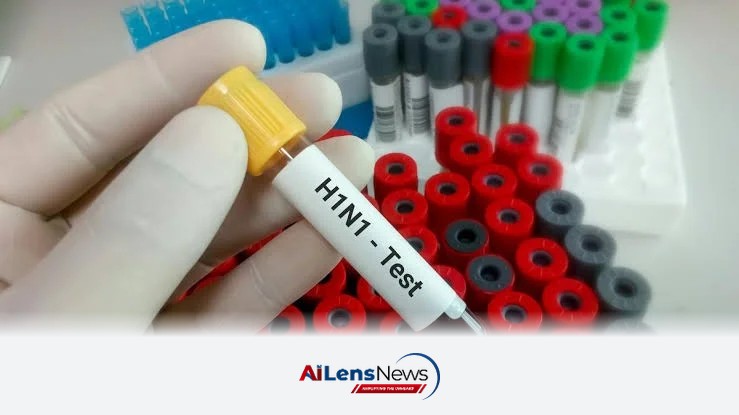



The Indian Council of Medical Research reassures the public that there is no new strain of H1N1, despite an increase in swine flu cases across the country.
Kohima, India Aug 24, 2026 ALN: NEW DELHI, AUG 23: The Indian Council of Medical Research (ICMR) has confirmed that no new strain of H1N1 has been identified, alleviating concerns amid a rise in swine flu cases in Delhi and other regions of India. Sources from the ICMR emphasized that the current circulating influenza strains are well matched with the vaccine strains recommended for the Northern Hemisphere. This assurance comes at a critical time when public health officials and citizens alike are concerned about the potential implications of an outbreak, especially in the context of previous years when swine flu had led to significant morbidity and mortality.
Seasonal influenza, including H1N1, is primarily self-limiting. Common symptoms include fever, cough, headache, and body aches, with most individuals recovering with appropriate care and rest. However, young children, the elderly, and those with underlying health conditions may face a higher risk of complications. This demographic is particularly vulnerable, as their immune systems may not respond as effectively to the virus. It is essential for caregivers and family members to be vigilant in monitoring the health of these individuals, ensuring they receive timely medical attention if symptoms worsen.
The ICMR reported that the Influenza A (H1N1) pdm09 viruses currently circulating belong to the A/Missouri/11/2025 (H1N1) pdm09-like virus strain. These viruses are classified under clade 6B.1A.5a2a, subclade D.3.1.1, and have been in circulation since 2025. Understanding the genetic makeup of the circulating strains is crucial for vaccine formulation and public health responses. The fact that the circulating strains are well-matched with the vaccine is a positive indicator for public health officials, as it suggests that those who have been vaccinated will likely have some level of protection against the current strains.
If symptoms persist, worsen, or become severe, timely consultation with a healthcare provider is advised. The situation is being closely monitored through regular surveillance, and necessary public health measures are being implemented. This year, the national capital has reported over 2,300 Influenza-A cases, including more than 1,777 H1N1 cases as of Friday. Notably, 114 H1N1 cases were reported on Thursday alone. The surge in cases has prompted health officials to take proactive measures to ensure that healthcare facilities are prepared to handle an influx of patients, especially during peak flu seasons.
In response to the rising cases, the Delhi government has issued a health advisory urging residents to maintain respiratory hygiene, avoid crowded places, and seek timely medical advice. These recommendations are part of broader public health strategies aimed at curbing the spread of the virus. Union Health Minister J P Nadda reviewed the H1N1 influenza situation and preparedness across the country, focusing particularly on the national capital. He called for continued vigilance, robust surveillance, and proactive preparedness. This level of oversight from the national government is critical, as it helps ensure that local health departments have the resources and guidance necessary to respond effectively to the outbreak.
Delhi Health Minister Pankaj Kumar Singh participated in the meeting, which reviewed the national surveillance and epidemiological situation, trends in influenza-like illness (ILI), and severe acute respiratory infection (SARI). The preparedness of healthcare facilities to manage seasonal influenza cases was also assessed, including the availability of hospital beds, critical care facilities, oxygen-supported beds, ventilators, essential medicines, diagnostics, and other critical supplies. The assessment of healthcare infrastructure is particularly important, as it directly impacts the ability of the healthcare system to respond to surges in cases and provide adequate care to those affected.
As the situation evolves, health authorities remain committed to monitoring influenza trends and ensuring the timely identification and management of any unusual increases or clustering of cases. This ongoing vigilance is essential in preventing widespread outbreaks and ensuring that healthcare systems are not overwhelmed. Additionally, public awareness campaigns are vital in educating citizens about the importance of vaccination, hygiene practices, and recognizing the symptoms of flu early. Such measures can significantly reduce the transmission of the virus and protect the most vulnerable members of the community.
In conclusion, while the ICMR's confirmation of no new H1N1 strain provides some reassurance, the rise in swine flu cases in India, particularly in Delhi, necessitates continued public health efforts. The collaboration between government officials, healthcare providers, and the public will be crucial in navigating this health challenge. As we move forward, the focus will remain on maintaining robust surveillance, ensuring healthcare readiness, and promoting public health measures to mitigate the impact of seasonal influenza.
To learn more about the latest developments in Health News, stay updated with our exclusive reports and analyses on AILensNews.
A free medical camp organized by Longsa Baptist Church in collaboration with the…

The Indian government has restricted the use of fixed dose combinations containi…

The Nagaland government has submitted a proposal for a new AIIMS in Nagaki City,…

has achieved a 39.97% reduction in new HIV infections and an 80.21% decline in A…

Naga Hospital Authority Kohima has initiated the licensing process for organ tra…