

More
Checking your session
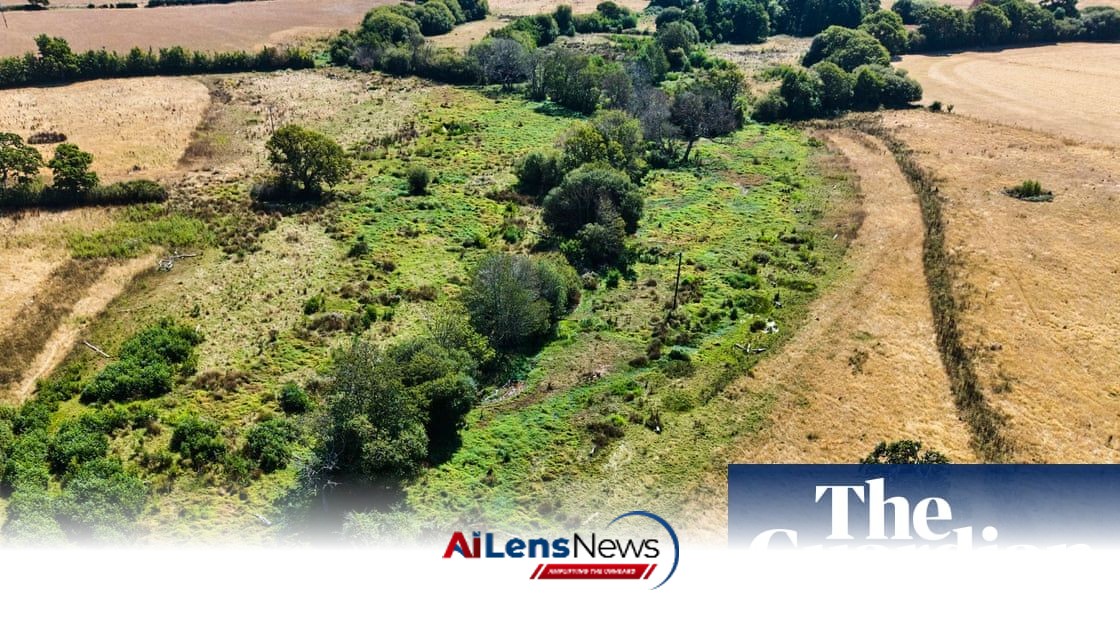



The National Trust's Holnicote estate showcases how rewilded wetlands and rivers can enhance resilience against climate extremes like drought and wildfires.
New Delhi, India Aug 21, 2026 ALN: Aerial footage from Somerset's National Trust Holnicote estate highlights the positive impacts of rewilding in the face of severe weather conditions exacerbated by climate change. The estate's restored wetlands and rivers have remained vibrant and green throughout five summer heatwaves, contrasting sharply with the surrounding parched landscape. This stark visual difference underscores the potential of rewilding as a strategy to combat the adverse effects of climate change, particularly in regions that are increasingly susceptible to extreme weather events.
Rewilding, a conservation approach that focuses on restoring ecosystems to their natural state, has gained traction in recent years as a means of enhancing biodiversity and resilience against climate-related challenges. The Holnicote estate serves as a case study in this movement, showcasing how rewilding can be integrated into land management practices to create s that are better equipped to handle fluctuations in weather patterns. The estate's significant rewilding efforts serve as compelling evidence that nature-based solutions can effectively mitigate the risks of wildfires and other climate-related disasters. This stands in opposition to claims made by some commentators who have criticized rewilding initiatives for allegedly contributing to wildfire outbreaks, highlighting the need for a nuanced understanding of the relationship between land management, climate resilience, and biodiversity.
Ben Eardley, project manager at Holnicote, emphasized the importance of these natural solutions: "Nature is providing solutions to some of the biggest challenges facing society today. For generations, we’ve drained wetlands, straightened rivers, and expedited water runoff. Here, we’ve reversed that approach, and the results are remarkable." This reversal of traditional land management practices is not just a theoretical exercise; it represents a fundamental shift in how we interact with our . By restoring wetlands and re-establishing natural riverbanks, the estate has created a landscape that not only supports diverse flora and fauna but also enhances the ecosystem's ability to retain moisture during droughts.
Eardley explained that by reconnecting river systems with their surrounding areas and creating natural water storage systems, the estate has developed a landscape that retains moisture during droughts, thereby maintaining healthy wetlands and habitats. This approach also helps slow water flow during storms, reducing the risk of flooding in nearby communities. Such dual benefits—drought resilience and flood mitigation—illustrate the multifaceted advantages of rewilding initiatives, making them an attractive option for policymakers and land managers looking to address climate change impacts.
Over the past century, the UK has lost more than 90% of its wetlands, making the restoration of these vital ecosystems increasingly crucial for climate adaptation, water security, and biodiversity recovery. Wetlands play a critical role in carbon sequestration, water filtration, and providing habitat for various species, yet they have been systematically drained and developed over the years. The loss of these ecosystems has not only diminished biodiversity but has also left landscapes more vulnerable to the effects of climate change. Harry Bowell, the National Trust’s director of land and nature, urged the government to enhance investments in nature-based solutions to bolster the country’s resilience against climate change. Bowell remarked, "This year’s summer has been a stark warning of how our weather systems are changing. Climate change is no longer a distant concern; it is a reality we are facing now. With another El Niño predicted for next year, we can expect more frequent floods, droughts, heatwaves, and wildfires. We are not immune to these changes."
The implications of Bowell's statement are significant; they suggest that without proactive measures and investments in nature-based solutions, the UK could face escalating challenges that threaten both its ecosystems and its communities. The urgency of the situation is further underscored by recent incidents, such as the wildfire that devastated the lowland heath at Dunwich, another National Trust estate. This incident serves as a stark reminder of the vulnerabilities that exist within managed landscapes and the need for effective land management strategies that prioritize ecological health.
Bowell concluded, "It’s places like Holnicote that demonstrate how treating and investing in nature as essential infrastructure can create resilient landscapes that benefit both communities and the ." This perspective advocates for a shift in how society views nature—not merely as a backdrop for human activity but as a vital component of our infrastructure that requires investment and stewardship. By embracing this holistic view, there is potential not only to restore degraded landscapes but also to create sustainable communities that are better prepared for the challenges posed by climate change.
As the global conversation around climate change continues to evolve, the success of rewilding projects like Holnicote may serve as a model for similar initiatives worldwide. The integration of ecological restoration with community resilience efforts could become a cornerstone of climate adaptation strategies, providing a pathway toward a more sustainable and ecologically balanced future. The lessons learned from Holnicote and other rewilding projects could inform policies and practices that prioritize al health, ultimately benefiting both people and the planet.
To learn more about the latest developments in Conservation, stay updated with our exclusive reports and analyses on AILensNews.

The introduction of Prosopis juliflora in Kachchh has led to significant ecologi…

The Ministry of Environment urges states to develop annual plans for the conserv…

MATAR has joined the United for Wildlife Transport Taskforce, enhancing efforts …

In Kashmir, villagers report a dramatic decline in snake sightings, attributing …

In a meeting with BSI director, Governor K T Parnaik emphasized the need for a d…