

More
Checking your session
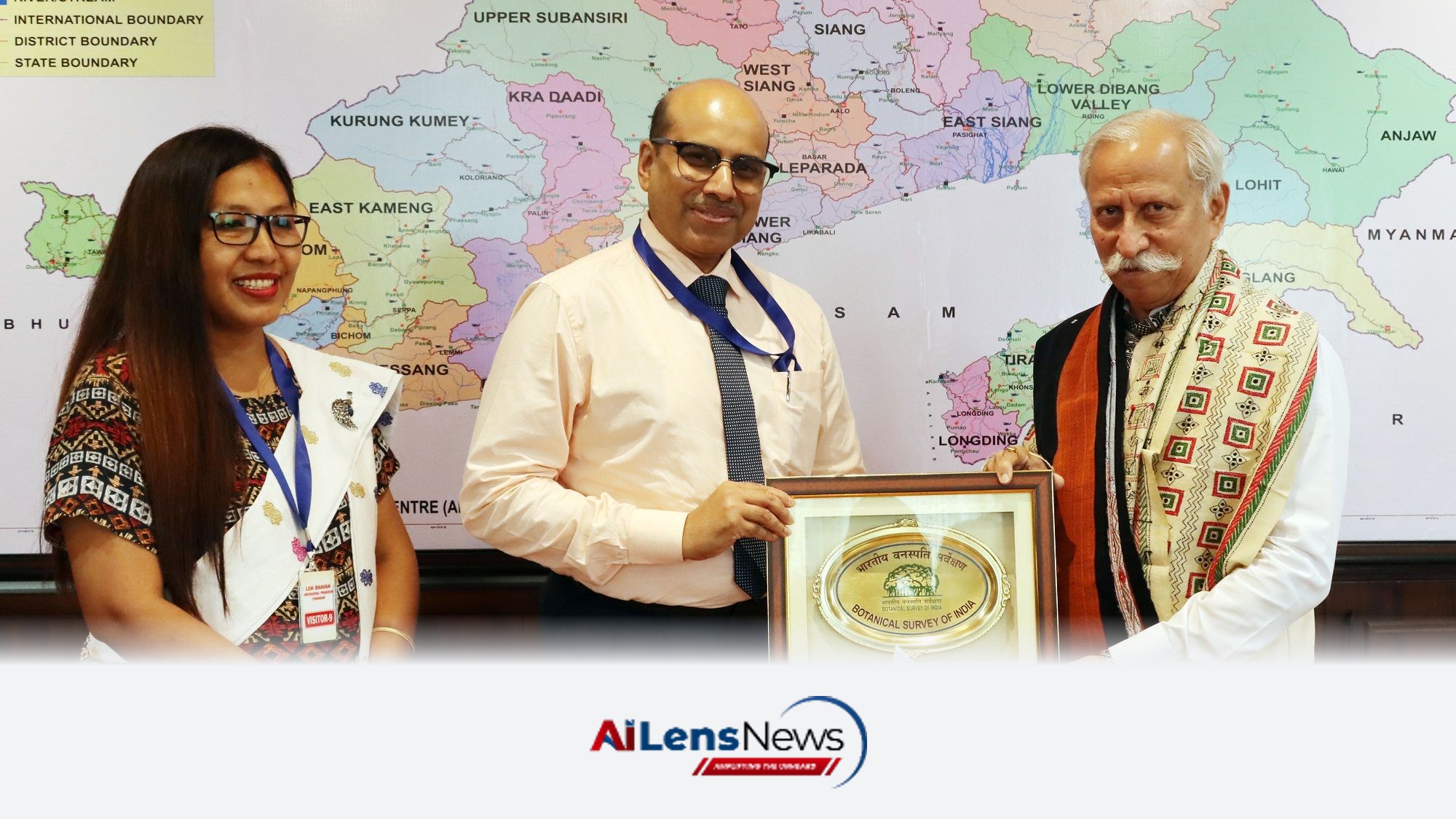



In a meeting with BSI director, Governor K T Parnaik emphasized the need for a digital monitoring network to protect 's rich biodiversity.
Itanagar, India Aug 24, 2026 ALN: The Governor of , Lt Gen (Retd) K T Parnaik, met with Dr. Kanad Das, the director of the Botanical Survey of India (BSI), at Lok Bhavan to discuss the state's rich biodiversity, particularly its remarkable plant diversity. They explored ongoing conservation initiatives and future strategies aimed at strengthening botanical conservation.
During the meeting, Parnaik praised the continuous discovery of new flora and fauna in , highlighting its status as one of the world's richest biodiversity hotspots. This northeastern state of India is characterized by its unique geographical features, including mountainous terrains and dense forests, which contribute to its rich ecological diversity. The Governor emphasized the importance of safeguarding the state's extraordinary botanical wealth through scientific research, sustainable livelihoods, community participation, and long-term ecological security.
is home to over 5,000 flowering plant species, around 600 orchid species, 75 rhododendron species, and numerous medicinal plants. The presence of such a diverse range of flora not only contributes to the ecological balance but also holds significant cultural and economic value for local communities. The Governor called for enhanced conservation efforts alongside development activities, suggesting a balanced approach that integrates environmental sustainability into economic planning.
In light of the increasing threats posed by climate change, deforestation, and habitat loss, Parnaik proposed a dedicated recovery program for rare, endangered, and threatened (RET) species. This program would involve Geographic Information System (GIS) mapping, population monitoring, seed banking, and habitat restoration in collaboration with the forest department and local communities. Such initiatives are crucial for ensuring the survival of vulnerable species and maintaining biodiversity, which is essential for ecosystem resilience.
Parnaik also stressed the need for comprehensive botanical surveys across remote and lesser-explored regions of the state, particularly in areas that have remained inaccessible due to poor road connectivity. The lack of infrastructure in these regions has historically hampered scientific research and conservation efforts. He suggested deploying more scientific personnel to undertake systematic documentation and research, which would not only contribute to the understanding of the state's biodiversity but also empower local communities through education and involvement in conservation practices.
Referring to as India’s ‘Orchid Paradise,’ which hosts nearly 40% of the country’s orchid diversity, he recommended the establishment of a dedicated botanical garden, community orchid conservation areas, and the expansion of ex-situ conservation through tissue culture and orchid rescue programs. Orchids are not only aesthetically valuable but also play a vital role in the ecosystem as pollinators and indicators of environmental health. The establishment of conservation areas would help protect these species while also promoting ecotourism, which can provide sustainable livelihoods for local populations.
Furthermore, he advised the BSI to create a digital flora and climate change monitoring network, which would include a real-time flora database and an ecological monitoring system. This initiative aims to enhance public outreach and community engagement in conservation efforts. By utilizing modern technology, the proposed digital network could facilitate the collection and dissemination of data regarding plant species, their habitats, and the impacts of climate change. This information would be invaluable for researchers, policymakers, and conservationists alike, enabling more informed decision-making.
The involvement of local communities in conservation strategies is particularly important in , where indigenous knowledge can complement scientific approaches. Engaging communities not only fosters a sense of ownership over local biodiversity but also ensures that conservation efforts are culturally sensitive and sustainable. Educational programs that raise awareness about the importance of biodiversity and the threats it faces can further empower communities to take active roles in conservation.
As the meeting concluded, the Governor and Dr. Das acknowledged the pressing need for collaborative efforts between government bodies, scientific institutions, and local communities to create a comprehensive framework for biodiversity conservation in . The initiatives discussed could serve as a model for other regions in India facing similar challenges related to biodiversity loss and climate change. With a concerted effort, it is possible to protect the rich botanical heritage of while promoting sustainable development that benefits both the environment and its people.
To learn more about the latest developments in Conservation, stay updated with our exclusive reports and analyses on AILensNews.

The Zoological Survey of India has initiated a comprehensive survey to protect H…
Bunty Tao, Range Forest Officer at Kamlang Tiger Reserve, receives recognition f…

Chief Minister Pema Khandu emphasizes India's success in tiger conservation, urg…
The Youth Mission for Clean River and local organizations conducted a river clea…
In a significant effort for environmental conservation, the Youth Mission for Cl…