

More
Checking your session
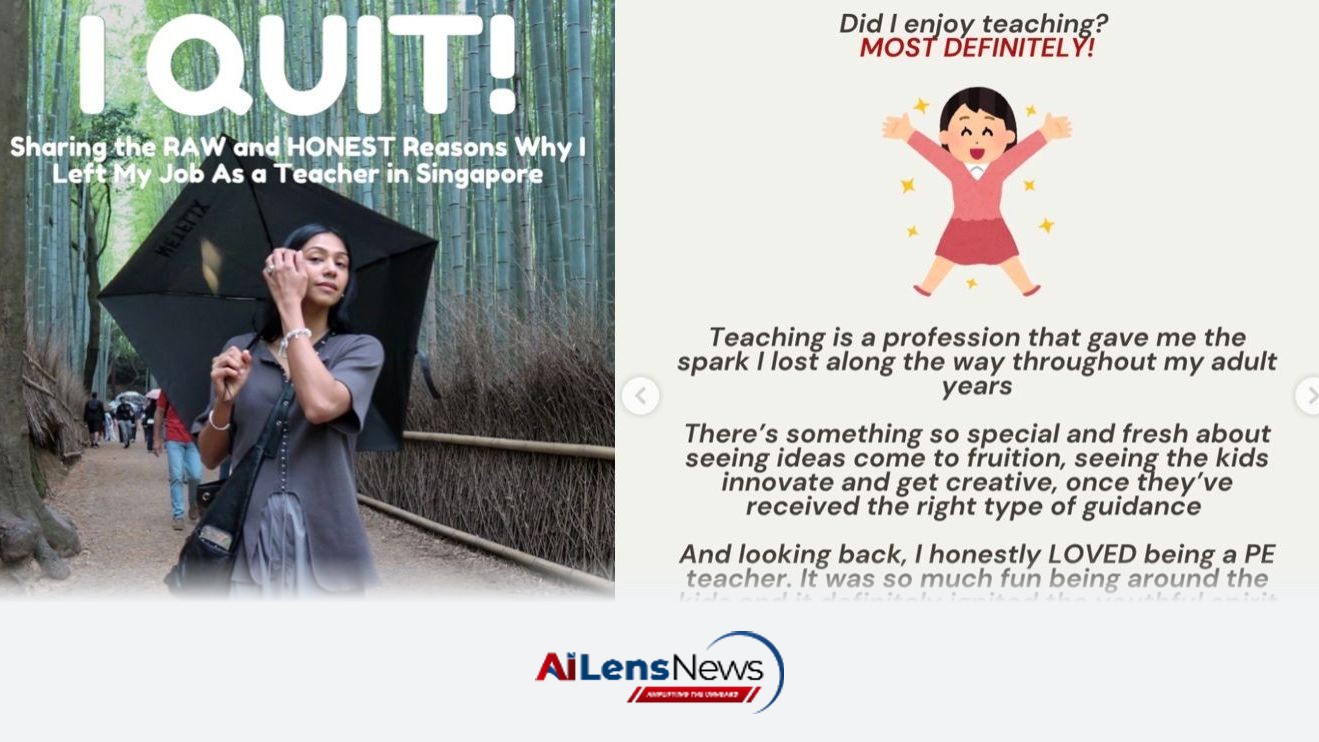



In a candid Instagram post, a former PE teacher shares her journey of leaving the profession, citing burnout from administrative tasks despite enjoying teaching.
Singapore, Singapore Aug 26, 2026 ALN: In a recent Instagram post, a young former PE teacher explained why she left the profession after some time, even though it came with many perks such as decent enough pay, bonuses, and more holidays than other professions. This decision highlights a growing trend among educators, particularly in physical education, who are reevaluating their careers in light of increasing demands and a desire for greater personal fulfillment.
Ms. Sakinah (@notyet.whole), however, like others in the same situation, had to pay a sizable bond, which she described as “a hefty amount of $$” in her post. This bond likely stemmed from training subsidies or other financial compensation she received in the past, a common practice within the education sector in Singapore aimed at attracting and retaining talent. Such financial commitments can weigh heavily on young educators, especially when they contemplate leaving the profession.
Nevertheless, she appears to feel that it was worth it, though she stated clearly that she was merely sharing her own experiences and expressed thankfulness for the teachers who have stuck it out in the profession through the years. This sentiment reflects the broader appreciation for the challenges and demands faced by educators, particularly in a rigorous educational landscape like Singapore's.
Ms. Sakinah clarified from the beginning of her post that she had enjoyed the actual teaching part of her job, especially being with the students. This enjoyment is a core reason many educators enter the profession, as the impact they have on young lives can be profound and rewarding.
“Teaching is a profession that gave me the spark I lost along the way throughout my adult years,” she wrote, adding, “There’s something so special and fresh about seeing ideas come to fruition, seeing the kids innovate and get creative, once they’ve received the right type of guidance.” This reflects the intrinsic motivation that many teachers have for facilitating learning and fostering creativity among their students.
However, this part was only a fraction of her duties. Administrative tasks, overtime, and other responsibilities caused her to get “SO BURNED OUT” after some time. She mentioned the role of “security guard” to the students during recess, CCA-related activities, trips and excursions, equipment ordering and maintenance, meetings, and the like, which she said was only around 30% of what teachers have to do. This imbalance between teaching and administrative duties is a common complaint among educators, who often find themselves overwhelmed by non-teaching responsibilities that detract from their primary role as educators.
What bothered her as well was the red tape surrounding her job, such as having to stay at school until dismissal, even on days when her classes ended at 10:30 a.m., added to the fact that she could not pursue side hustles. This aspect of the job can lead to feelings of frustration and entrapment, particularly for younger teachers who may wish to explore other career opportunities or passions outside of their teaching roles.
“It just felt like I was a chess piece in a chess game,” she wrote, highlighting the lack of autonomy that can often accompany teaching positions, especially in a structured system like Singapore’s education framework. This metaphor captures the sense of being controlled by external forces, where teachers may feel their creativity and agency are stifled.
Ms. Sakinah added that she was meant for more in life. “I also felt that my personality would be best suited in a role where I had to work hard for my money, as I ABSOLUTELY HATED ‘cruising’ and just getting by.” This desire for meaningful work is a sentiment echoed by many individuals across various professions, especially in a society that increasingly values personal fulfillment and the pursuit of passion over traditional job security.
Despite her challenges, Ms. Sakinah also made much about the upside of being a PE teacher, which she called “awesome,” and she obviously wanted to encourage those interested in giving the profession a go. This duality of experience is common among educators, who often find joy in teaching despite the systemic challenges they face.
Because she taught PE, she had no grades to fill in, and students looked forward to her class more than they did others. This aspect of teaching physical education can make the role particularly rewarding, as it allows for a more relaxed and engaging atmosphere compared to traditional academic subjects, where grades and assessments can create stress for both teachers and students.
“Kids LOVE You,” she wrote, adding a smiley face. This affection from students is a significant motivation for many teachers, as the bonds formed in the classroom can be deeply fulfilling. The positive feedback and enthusiasm from students can serve as a powerful reminder of the impact teachers have on young lives.
In the same vein, she enjoyed that she was able to pretty much play for a living. “My favorite part about PE lessons was teaching my kids the beauty of play, through playing alongside them. There’s something about a teacher being involved in a child’s learning that is irreplaceable,” Ms. Sakinah added. This perspective underscores the importance of play in education, particularly in physical education, where learning through movement can foster both physical and emotional development in children.
And while leaving teaching may not be the right choice for everyone, it was right for where she’s at right now. “I’d rather take a bet on myself than be stuck in a system that didn’t align with the core of my being,” she wrote in the caption of her post. This statement reflects a broader trend among professionals today, particularly millennials and Gen Z, who prioritize personal values and happiness in their career choices, often seeking paths that align with their passions and beliefs rather than traditional expectations.
In conclusion, Ms. Sakinah's story sheds light on the complexities of the teaching profession, particularly in the realm of physical education. While the role offers unique rewards, it is also fraught with challenges that can lead to burnout and dissatisfaction. Her decision to leave the profession serves as a reminder of the need for systemic changes within the education sector to better support teachers and recognize the multifaceted nature of their roles. As more educators like Ms. Sakinah share their experiences, it may prompt discussions about how to improve working conditions and retain talent in the teaching profession, ultimately benefiting both educators and students alike.
To learn more about the latest developments in Education News, stay updated with our exclusive reports and analyses on AILensNews.

The Ministry of Education and Higher Education in Doha has successfully conclude…

The Schools Welfare Development Association has flagged 261 discrepancies in exa…

In a significant move towards promoting equality, Himachal Pradesh will remove t…

In a significant move to regulate private coaching institutes, Haryana has banne…

Local authorities will decide on school closures for August 27 based on weather …