

More
Checking your session
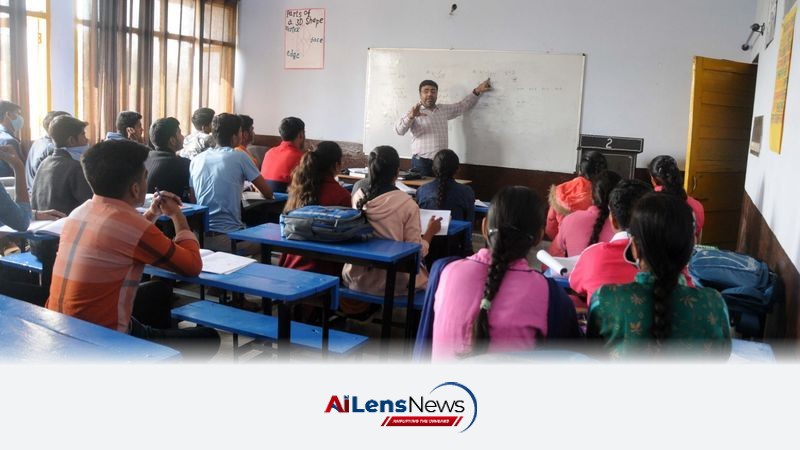



In a significant move to regulate private coaching institutes, Haryana has banned classes during school hours, mandating registration for all such institutes.
Chandigarh, India Aug 27, 2026 ALN: In a landmark decision aimed at regulating the education sector, the Haryana government has officially banned private coaching institutes from conducting classes during school hours. This new regulation comes more than two years after the Haryana Registration and Regulation of Private Coaching Institutes Act, 2024, was enacted. The Act was introduced in response to a growing concern regarding the increasing influence of private coaching institutes on the educational landscape, particularly in urban areas where these institutes have proliferated.
The state government has now notified specific rules that require all coaching institutes to register with the authorities, ensuring compliance with the new guidelines. This initiative is part of a broader effort to streamline the education system and address concerns regarding the impact of coaching classes on students' academic performance. The decision reflects a growing recognition of the need for a more structured approach to education that prioritizes the holistic development of students rather than an overemphasis on rote learning and exam preparation.
The decision to prohibit coaching classes during school hours stems from growing concerns among educators and parents about the increasing pressure on students. Many believe that the proliferation of coaching institutes has led to a detrimental effect on students' learning experiences, often resulting in burnout and decreased engagement in regular school activities. The constant juggling of schoolwork and coaching classes has created an environment where students feel overwhelmed, leading to mental health issues and a decline in overall academic performance.
Furthermore, the rise of coaching institutes has been accompanied by a perception that schools alone are insufficient in preparing students for competitive exams and higher education. This perception has fueled a cycle where students feel compelled to enroll in coaching classes, often at significant financial costs to their families. The Haryana government's ban is an attempt to disrupt this cycle by reaffirming the role of schools as the primary educational institutions.
By enforcing this ban, the Haryana government aims to create a more balanced educational environment. The hope is that students will have more time to focus on their school curriculum and extracurricular activities without the added burden of attending coaching classes. This could lead to improved mental health outcomes for students, as they are given the opportunity to engage more fully with their peers and participate in activities that foster creativity and critical thinking.
Moreover, the ban may encourage schools to enhance their own teaching methodologies and curricular offerings, ensuring that they are adequately preparing students for academic challenges without the need for additional coaching. If schools are able to effectively meet the educational needs of their students, it could lead to a reduction in the reliance on external coaching, thereby fostering a more self-sufficient learning environment.
Under the newly established regulations, all coaching institutes operating in Haryana must register with the state government. This registration process is designed to ensure that these institutes meet certain standards and operate within the legal framework set forth by the government. The aim is not only to regulate the number of coaching institutes but also to improve the quality of education provided by these entities.
As the state government implements these regulations, it remains to be seen how coaching institutes will adapt to the new landscape. Stakeholders in the education sector are optimistic that this move will lead to a more equitable educational system, where students can thrive without the overwhelming pressure of supplementary coaching. However, there are concerns that some coaching institutes may attempt to circumvent the regulations by altering their operational hours or redefining their services.
Additionally, the effectiveness of this ban will depend significantly on the enforcement of the registration and compliance measures. The government will need to allocate sufficient resources to monitor and evaluate the performance of coaching institutes, ensuring that they adhere to the new guidelines. This will require collaboration between various departments, including education, law enforcement, and local governance.
In conclusion, the Haryana government's decision to ban coaching classes during school hours marks a significant step towards reforming the education sector. By mandating registration and enforcing compliance, the state aims to prioritize the well-being and academic success of its students. This initiative could serve as a model for other states grappling with similar issues related to the role of coaching institutes in the educational landscape. Ultimately, the success of this policy will hinge on its implementation and the willingness of educational stakeholders to embrace a more balanced approach to learning.
To learn more about the latest developments in Education News, stay updated with our exclusive reports and analyses on AILensNews.

The Punjab and Haryana High Court has resolved a long-standing recruitment dispu…

The Ministry of Education and Higher Education in Doha has successfully conclude…

The Schools Welfare Development Association has flagged 261 discrepancies in exa…

In a significant move towards promoting equality, Himachal Pradesh will remove t…

In a candid Instagram post, a former PE teacher shares her journey of leaving th…