

More
Checking your session
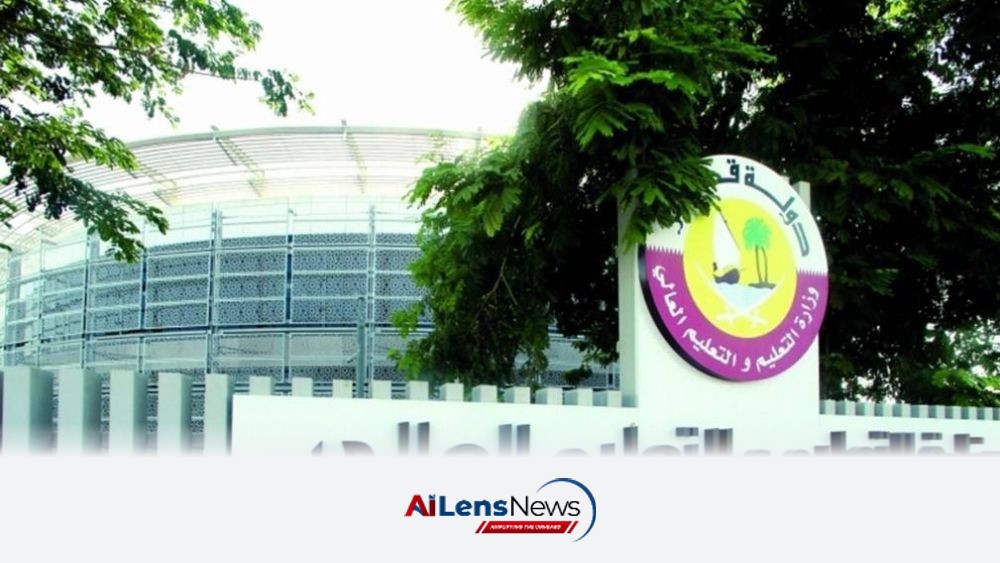



The Ministry of Education in Qatar is set to welcome over 419,000 students across 649 schools and kindergartens for the upcoming academic year.
Doha, Qatar Aug 30, 2026 ALN: The Ministry of Education and Higher Education announced that it has completed all preparations to receive 419,373 male and female students at various educational levels in 649 public and private schools and kindergartens, with the start of the 2026-2027 academic year on Sunday. This significant number underscores the growing demand for educational services in Qatar, reflecting both the increasing population and the government's commitment to providing quality education.
The ministry said it completed the necessary academic, administrative, and operational preparations to ensure an organized and effective start to the educational process. This includes not only the physical readiness of schools but also the emotional and educational readiness of students and staff alike.
During its regular meeting on Wednesday, the Cabinet praised the ministry’s preparations for the new academic year and the qualitative achievements and continuous gains witnessed in the education sector. The government's support highlights the importance placed on education as a pillar of national development. They appreciated the efforts made to improve the efficiency of educational staff and enhance their performance, while continuing to develop educational curricula and quality education in line with scientific and technological advancements. This commitment to continuous improvement is critical in a rapidly changing global landscape where educational standards are constantly evolving.
As part of its preparations for the new academic year, the ministry opened six new government schools at various educational levels, providing 3,600 school seats distributed across several regions of the country. This expansion is a direct response to the increasing student population and aims to alleviate overcrowding in existing schools. Maintenance and renovation work was also completed in government schools, ensuring facilities are ready to receive students. Such infrastructure improvements are essential not only for accommodating more students but also for providing a conducive learning environment.
The ministry has also focused on investing in its educational staff, considering them a cornerstone in improving the quality of education. The number of teachers in government schools and kindergartens has reached 17,679, alongside 25,372 teachers and administrators in private schools and kindergartens. This substantial workforce is crucial for delivering quality education and meeting the diverse needs of the student body. Preparations included the appointment of 210 teachers from the 'Ambition' programme, implemented in cooperation with the College of Education at Qatar University, to fill vacancies in government schools. This initiative not only addresses staffing needs but also enhances the professional development of new educators entering the field.
The focus on educational staff extends to ongoing professional development, with the annual educational meeting including more than 15 training workshops covering topics related to educational and pedagogical practices and performance improvement. These workshops are designed to equip teachers with the latest teaching methodologies and tools, ensuring that they are well-prepared to meet the demands of modern classrooms.
The meeting also honoured participants in the 'Leadership', 'Professionalization', and 'Successful Start' programmes, recognizing their educational competencies and supporting professional and leadership development pathways in the educational field. Such recognition not only motivates educators but also fosters a culture of excellence within the educational community. Through its Training and Development Center, the ministry continues to implement approved training plans for various educational staff throughout the academic year, reinforcing the importance of lifelong learning in education.
In the private education sector, the number of active nurseries has reached 156, with 7 nurseries under licensing expected to open during the 2026-2027 academic year. Additionally, 81 nurseries cater to children with mild disabilities who need integration. This inclusive approach to early childhood education reflects a broader commitment to ensuring that all children have access to quality education, regardless of their background or abilities.
The ministry has also provided 14,561 school seats within the private schools’ social responsibility project, including free seats and others with reduced fees, enhancing educational opportunities for students. This initiative aims to ensure that education is accessible to all segments of the population, particularly those from lower-income families who may struggle to afford private education.
Regarding school transport, student transport services have been enhanced by providing 3,000 buses of different sizes, in addition to allocating 122 buses and 400 cars for transporting students with disabilities. This investment in transportation infrastructure is crucial for ensuring that all students can safely and reliably travel to and from school, which is particularly important in a country where distances can be significant.
The preparations included aspects of school health and safety, with the ministry approving 26 food companies qualified to supply food to canteens in government schools, ensuring compliance with health standards. This focus on nutrition is essential for promoting the health and well-being of students, which in turn supports their academic performance. Security and safety requirements have also been completed, enhancing air conditioning and cooling services to provide a healthy and safe school environment. Such measures are vital in a region where the climate can pose challenges to student comfort and safety.
At the academic and organizational level, schools have completed procedural work related to class schedules and student distribution. Textbooks and educational supplies have been provided, and introductory meetings for new employees have been organized to familiarize them with the ministry’s policies and regulations. This thorough preparation process is indicative of the ministry's commitment to ensuring a smooth transition into the new academic year.
The administrative and teaching bodies began their work on August 23 to ensure readiness for the academic year, preparing the school environment for the arrival of students. This early start allows for any last-minute adjustments and ensures that all staff are fully prepared to welcome students on the first day of school. Overall, the extensive preparations undertaken by the Ministry of Education and Higher Education reflect a comprehensive strategy aimed at enhancing the quality of education in Qatar and supporting the academic success of all students.
To learn more about the latest developments in Education News, stay updated with our exclusive reports and analyses on AILensNews.
The Government Girls Higher Secondary School, Amira Kadal, celebrated its studen…

The NEET PG 2026 examination has begun, with more than 2.73 lakh candidates part…

The 22nd convocation at NIT-Calicut honored 2,134 graduates, featuring insights …

A new cabinet sub-committee in Karnataka, led by Health Minister U T Khader, aim…

The Deputy Commissioner of Nubra conducted a review meeting to assess the functi…