

More
Checking your session
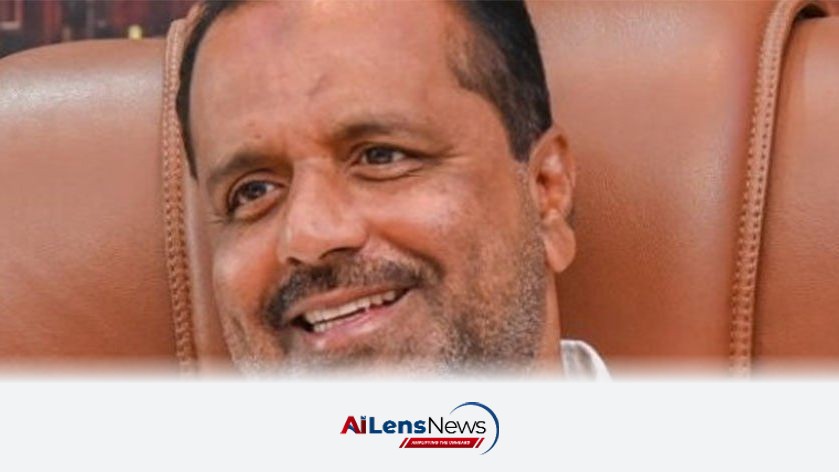



A new cabinet sub-committee in Karnataka, led by Health Minister U T Khader, aims to tackle pressing student issues and recommend education reforms.
Bengaluru, India Aug 28, 2026 ALN: Bengaluru: Chief Minister D K Shivakumar has constituted a five-member Cabinet sub-committee, headed by Health Minister U T Khader, to examine issues affecting students and recommend reforms in the education sector. This initiative comes at a time when the education system in Karnataka, like many other regions in India, is facing significant challenges, including concerns over the quality of education, accessibility, affordability, and the overall mental health of students.
The panel has been tasked with reviewing the integrity of examination and recruitment systems, including measures to prevent question paper leaks and malpractices. The integrity of these systems is crucial, especially in light of recent allegations surrounding the Karnataka Public Service Commission (KPSC), which have raised questions about the transparency and fairness of the recruitment process. By addressing these issues, the committee aims to restore public confidence in the examination and recruitment systems.
In addition to examination integrity, the committee will examine the regulation of fees charged by private educational institutions, regulation of coaching centres, and measures to reduce the financial burden on students and their families. The rising costs associated with education have been a long-standing concern for many families, particularly in urban areas where the demand for quality education often leads to exorbitant fees in private institutions. The committee's exploration of fee regulation could lead to significant changes in how educational institutions operate financially.
Strengthening education infrastructure, improving curriculum, developing student mental health support systems, and ensuring equitable access to education through scholarships and other assistance will also form part of the committee’s mandate. These areas are critical to ensuring that all students, regardless of their socio-economic background, have the opportunity to succeed academically and personally.
The other members of the committee are Higher Education Minister M C Sudhakar, Medical Education Minister Dr Sharan Prakash Patil, Home Minister G Parameshwara, and School Education Minister Madhu Bangarappa. The diverse backgrounds of the committee members bring a wealth of experience and perspective, which is essential for tackling the multifaceted challenges facing the education sector.
The committee has been directed to hold wider consultations with students, parents, teachers, educational institutions, and other stakeholders before submitting its report to the government within a month. This approach is significant as it emphasizes the importance of community engagement in educational reform. By involving various stakeholders, the committee can gain insights into the real issues faced by students and families, ensuring that the proposed reforms are comprehensive and grounded in reality.
The panel will focus on six key areas:
The committee will examine measures to prevent question paper leaks and other malpractices, while ensuring transparency, fairness, and accountability in state examinations and recruitment processes. Establishing a fixed, time-bound calendar for examinations and recruitment is also a priority, which could help alleviate anxiety among students and streamline the process.
The panel will review fees charged by private educational institutions and examine ways to regulate coaching centres. With the increasing reliance on coaching classes for academic success, there is a pressing need to ensure that these institutions operate ethically and do not exploit students financially. Measures to reduce the financial burden of education on students and their families will also be considered, addressing a long-standing concern among parents.
The committee will examine ways to strengthen infrastructure and improve the quality of education in government schools, pre-university colleges, and universities. This includes addressing teacher shortages, which have been a persistent issue, and ensuring that essential facilities such as laboratories, libraries, and hostels are adequately provided. Improving infrastructure is vital for creating an environment conducive to learning and development.
The panel will look at aligning curricula with emerging employment opportunities and industry requirements. In an era where the job market is rapidly evolving, it is essential for educational institutions to prepare students with relevant skills. The committee will also consider measures to promote skills training, apprenticeships, and internships, as well as strengthen partnerships between educational institutions and industry to enhance employability.
Strengthening counselling and student support systems will be another priority. The committee will examine ways to address academic and examination-related stress, which has become increasingly prevalent among students. Developing suicide-prevention measures, particularly in coaching hubs, hostels, and residential educational institutions, is crucial in light of recent incidents of student suicides that have raised alarms about the mental health crisis among the youth.
The committee will examine ways to strengthen scholarships and financial assistance, expand hostel capacity, and promote girls’ education. Ensuring that students from Scheduled Caste and Scheduled Tribe (SC/ST), Other Backward Classes (OBC), minority, and first-generation learner communities receive appropriate support is essential for fostering an equitable education system. By focusing on access and equity, the committee aims to bridge the educational divide and ensure that every student has the opportunity to thrive.
In conclusion, the formation of this committee marks a significant step towards addressing the myriad challenges faced by the education sector in Karnataka. By focusing on integrity, affordability, infrastructure, curriculum alignment, mental health, and equitable access, the committee has the potential to implement meaningful reforms that could have a lasting impact on students and the broader educational landscape in the state. The outcomes of this initiative will be closely watched by various stakeholders, as they hold the promise of transforming the educational experience for many students in Karnataka.
To learn more about the latest developments in Education News, stay updated with our exclusive reports and analyses on AILensNews.

The Karnataka Associated Managements of Primary and Secondary Schools has raised…
The Department of Higher Education in Karnataka has mandated that all higher edu…

Karnataka Chief Minister D K Shivakumar calls for private schools to adopt gover…

The Karnataka Examinations Authority has initiated registrations for PG Dental a…
The Deputy Commissioner of Nubra conducted a review meeting to assess the functi…