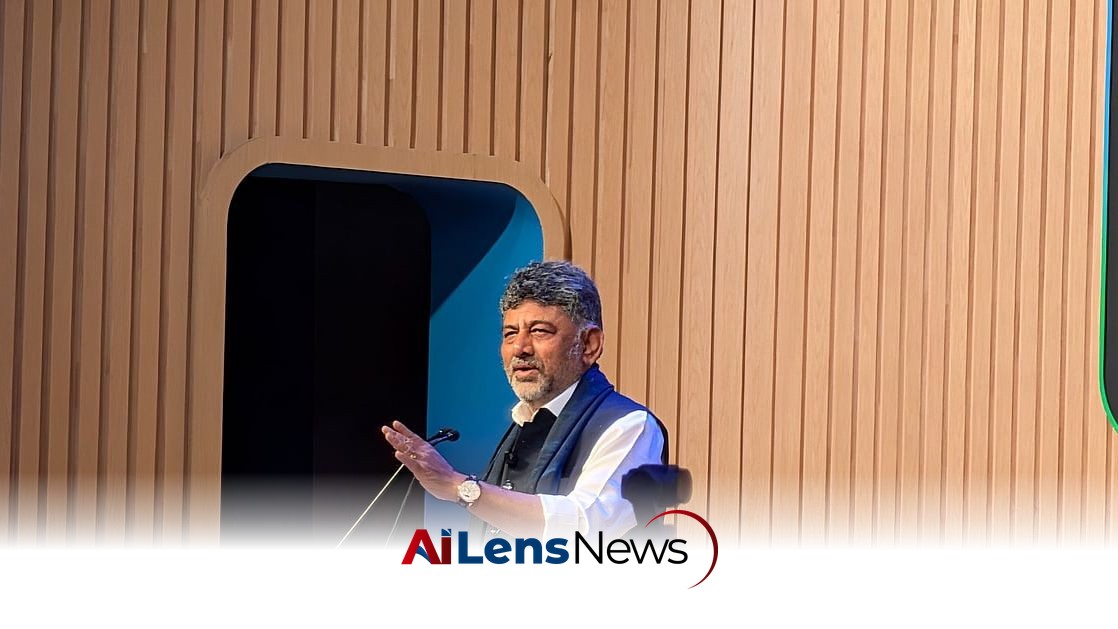


Karnataka Chief Minister D K Shivakumar calls for private schools to adopt government schools in rural areas, warning of potential fee caps for non-compliance.
Bengaluru, India Jul 24, 2026 ALN: Bengaluru: In a significant move aimed at improving educational standards in rural areas of Karnataka, Chief Minister D K Shivakumar has called upon private schools in the state to adopt government schools and actively participate in enhancing the quality of education. During his address at the Global CSR and Sustainability Summit 2026, organized by the Federation of Karnataka Chambers of Commerce and Industry (FKCCI), Shivakumar emphasized the importance of corporate involvement in the educational sector. He warned that private schools that do not contribute to this initiative may face caps on their fees.
The Chief Minister's appeal comes against the backdrop of a pressing need to uplift the educational infrastructure in rural Karnataka, where many government schools struggle with inadequate facilities and a shortage of qualified teachers. The situation has been exacerbated by various socio-economic factors, including poverty, lack of access to resources, and a higher dropout rate among students in these areas. Shivakumar urged industries to redirect their corporate social responsibility (CSR) funds, which are estimated to total around Rs 10,000 crore annually, towards the transformation of government schools in these underserved areas. He highlighted the necessity for every paise from CSR funds to be utilized in strengthening primary education, particularly in rural regions.
Shivakumar articulated a vision where companies would not merely donate funds to the government but instead take a more hands-on approach by constructing schools themselves. This initiative would allow corporations to build educational institutions with modern infrastructure on land allocated by the government, thereby fostering a sense of ownership and accountability. He noted that firms would have the opportunity to name these schools after their organizations, which could enhance their brand visibility and commitment to social causes. This approach aims to create a model of public-private partnership that can serve as a blueprint for other states in India, where similar challenges in education persist.
In addition to building new schools, the Chief Minister proposed that companies unable to fund an entire educational project could still contribute by constructing individual facilities such as classrooms, laboratories, and other essential infrastructure. The government plans to create a common platform to facilitate such contributions, making it easier for various companies to collaborate on improving educational facilities. This collaborative effort is expected to not only improve the physical infrastructure of schools but also to enhance the overall learning environment, which is crucial for student success.
To illustrate the potential impact of corporate involvement, Shivakumar cited the example of Toyota, which is reportedly constructing seven to eight schools at an investment of Rs 10-15 crore each. This initiative serves as a model for how the industry can play a pivotal role in enhancing public education and demonstrates the benefits of public-private partnerships in this sector. The Chief Minister's reference to Toyota also highlights the growing trend of corporate entities recognizing their role in social development, which can lead to positive community relations and improved corporate image.
Moreover, the Chief Minister specifically called upon private schools that charge more than Rs 50,000 in annual fees to adopt government schools in rural Karnataka. This could involve providing academic support, deploying teachers, and sharing resources to uplift the educational standards of these institutions. He expressed concern over the existing shortage of teachers, despite the government offering competitive salaries that are often higher than those in many private institutions. By encouraging private schools to contribute their resources and expertise, Shivakumar aims to bridge the educational gap between urban and rural areas, thus ensuring that all students have access to quality education regardless of their geographical location.
Shivakumar articulated a broader vision for educational equity, stating that improving the quality of rural schools would help mitigate the migration of families to urban areas solely for their children’s education. He remarked, "Our children are not competing only with students from Bengaluru or Karnataka. They are competing globally. Rural children deserve the same quality of education available in urban areas." This statement underscores the urgency of providing equitable educational opportunities to all students, regardless of their geographic location. The Chief Minister's perspective reflects a growing recognition of the need for inclusivity in education, which is vital for the overall development of society.
In light of these initiatives, the Chief Minister announced that the government would soon engage in consultations with industry leaders to finalize a comprehensive policy on CSR utilization. He emphasized that initial CSR investments should focus on primary education, with a potential expansion into healthcare and other sectors in the future. This phased approach reflects a strategic prioritization of educational needs while acknowledging the interconnectedness of various social issues. By targeting primary education first, the government aims to lay a strong foundation that can support further advancements in other critical areas.
Furthermore, the government plans to closely monitor the utilization of CSR funds to ensure that they are being used effectively and for their intended purposes. Shivakumar raised concerns about the effectiveness of some existing CSR programs, alleging that while several companies are successfully implementing their initiatives, a significant number are not utilizing their funds in a manner that aligns with societal needs. To address this, a dedicated team of officials will be established to review CSR spending and ensure accountability in the allocation of resources. This move is intended to foster transparency and build trust between the government, corporations, and the communities they serve.
The implications of Shivakumar's call to action are profound, as it not only seeks to improve the quality of education in rural Karnataka but also fosters a culture of corporate responsibility and community engagement. By inviting the private sector to take an active role in education, the government aims to create sustainable partnerships that can lead to long-term improvements in the educational landscape. This initiative could potentially serve as a catalyst for similar programs in other states, promoting a nationwide dialogue on the role of private entities in public education.
In summary, the Chief Minister's initiative represents a bold step towards addressing the disparities in educational quality between urban and rural areas. By leveraging the resources and expertise of private schools and industries, the Karnataka government hopes to build a more equitable educational system that prepares all students for the challenges of a globalized world. The success of this initiative will depend on the willingness of private entities to engage in meaningful partnerships and the government's ability to effectively oversee and facilitate these collaborations. If successful, this initiative could pave the way for a new paradigm in educational reform that prioritizes collaboration between the public and private sectors for the betterment of society as a whole.
To learn more about the latest developments in Education News, stay updated with our exclusive reports and analyses on AiLensNews.

