

More
Checking your session
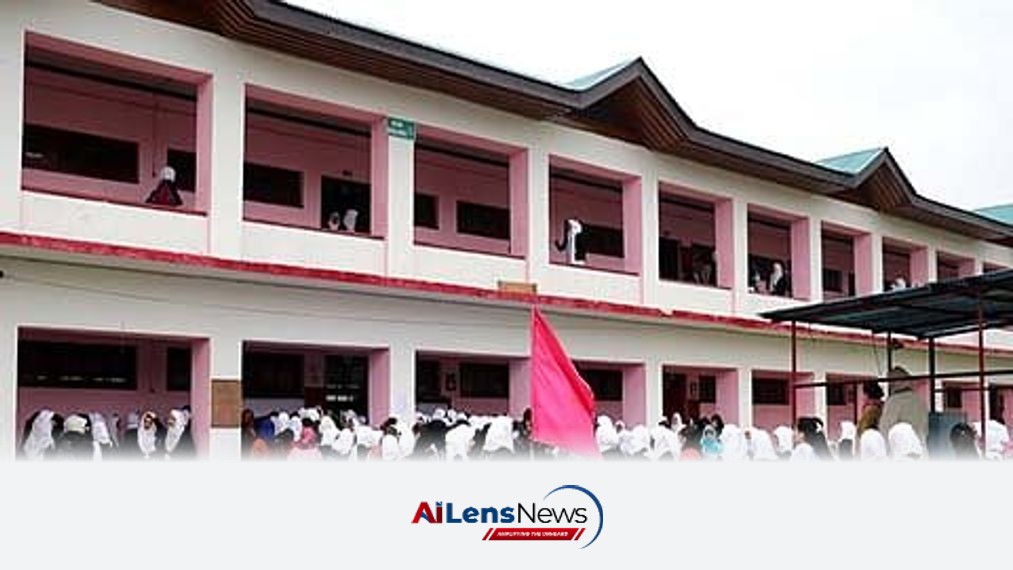



Kashmir faces a staggering secondary school dropout rate of 12.6% amid rising unemployment. The need for vocational training and career counseling is urgent.
New Delhi, India Aug 31, 2026 ALN: The education system in Kashmir has been a topic of significant concern for years, with recent reports highlighting alarming dropout rates and an escalating unemployment crisis. The parliamentary panel's revelation of a secondary school dropout rate of 12.6 percent for the academic year 2024-25 underscores a troubling trend. This statistic is particularly concerning when viewed in conjunction with the dramatic decline in student enrolment at various educational stages, which shows a staggering drop from 114 percent at the primary level to just 53.7 percent by the time students reach higher secondary education.
This dropout phenomenon is not merely a statistical anomaly; it reflects deeper systemic issues within the educational framework of the region. The reasons behind these dropout rates are multifaceted, encompassing socio-economic factors, political instability, and a curriculum that is increasingly out of touch with the realities of the modern job market. As students progress through their educational journeys, many find themselves ill-equipped to meet the demands of a rapidly changing world, particularly in light of technological advancements that are reshaping industries.
One of the most pressing issues contributing to the education crisis in Kashmir is the mismatch between the skills taught in schools and the skills required in the contemporary workforce. The rise of artificial intelligence and digital technologies has transformed the landscape of employment, creating a demand for competencies that are not sufficiently addressed in the current curriculum. Subjects such as data analysis, design thinking, and digital fluency have become essential, yet they are often relegated to the periphery of educational offerings in government schools and colleges throughout the valley. As a result, students may excel in standardized tests for competitive exams like the UPSC, NEET, or JEE but lack the practical problem-solving skills that are increasingly necessary in today's job market.
Moreover, the issue of unemployment looms large over the region, exacerbating the consequences of high dropout rates. Young people who do complete their education often find themselves entering a job market that offers limited opportunities, particularly for those whose skills do not align with current industry demands. This disconnect between education and employment prospects can lead to frustration and disillusionment among graduates, further contributing to the cycle of dropout and unemployment.
The parliamentary committee's recommendations for addressing these challenges—such as targeted scholarships, vocational exposure, career counselling, and industry apprenticeships—are steps in the right direction, but they also highlight the urgent need for comprehensive educational reform. Vocational training should not be viewed as a secondary option for students who struggle academically; rather, it should be an integral part of the educational experience for all students. By integrating vocational training into the curriculum, students can gain practical skills that enhance their employability and prepare them for the realities of the job market.
Furthermore, career counselling should be introduced early in a student's academic journey, ideally starting in high school. This proactive approach would allow students to make informed decisions about their educational and career paths, rather than waiting until after experiencing setbacks. Teachers, too, play a critical role in this process; they must be equipped with the knowledge and skills to guide students toward careers that are viable in a tech-driven economy. Continuous professional development for educators is essential to ensure that they can effectively teach and mentor students in a rapidly evolving job landscape.
The implications of failing to address these educational challenges are profound. If the education system in Kashmir does not adapt to the changing demands of the workforce, it risks perpetuating a cycle of disengagement and disillusionment among students. The stark choice ahead is clear: either the education system is restructured to align with the realities of the modern world, or it continues to produce graduates who are ill-prepared for the workforce, leading to increased dropout rates and persistent unemployment.
This issue is not just a distant policy debate; it is a pressing reality that is affecting a generation of young people in Kashmir right now. The choices made in the coming years will have lasting consequences not only for individual students but for the socio-economic fabric of the region as a whole. As such, it is imperative that all stakeholders—government officials, educators, and community leaders—come together to forge a path forward that prioritizes the needs and aspirations of students, ensuring that they are equipped to thrive in the future.
To learn more about the latest developments in Education News, stay updated with our exclusive reports and analyses on AILensNews.

A power failure at two Jaipur centres interrupted the NEET-PG 2026 examination, …

A recent analysis reveals a significant gender divide in Jammu and Kashmir's edu…

Students at IUST have raised concerns over the abrupt change of their degree fro…

Vice-President C.P. Radhakrishnan will inaugurate the silver jubilee celebration…
The Government Girls Higher Secondary School, Amira Kadal, celebrated its studen…