

More
Checking your session
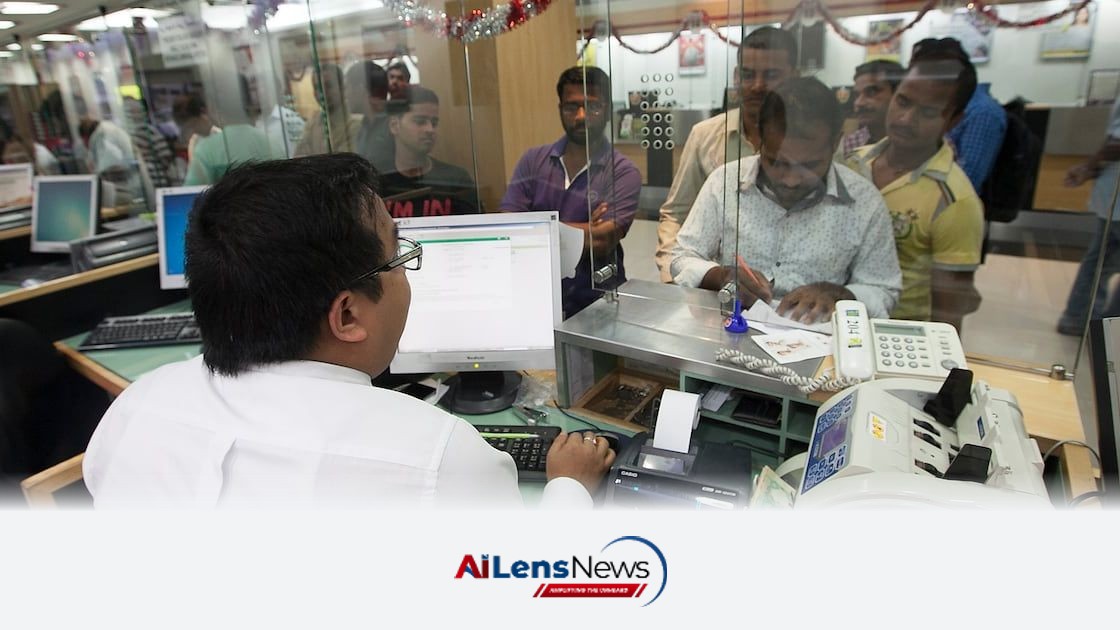



Gulf countries play a crucial role in global remittances, providing financial support that helps families cope with sudden income losses more effectively than traditional aid.
Abu Dhabi, United Arab Emirates Aug 28, 2026 ALN: Gulf countries have established themselves as significant players in the global remittance landscape, ranking among the world’s top ten economies in terms of per capita remittance outflows. This prominence highlights the crucial role that these financial transfers play in enhancing the living standards of families in various parts of the world, particularly in developing nations. Recent research underscores the importance of remittances in providing a safety net for households facing sudden income losses, offering a more dignified alternative to traditional forms of foreign aid.
The phenomenon of remittances is particularly pronounced in the Gulf region due to a combination of factors that create a conducive environment for expatriates to earn and send money home. One of the primary reasons for the dominance of Gulf states in per capita remittances is their open labor markets. Unlike many Western economies that have stringent immigration policies and limited labor market access, Gulf countries such as the United Arab Emirates (UAE), Qatar, and Saudi Arabia welcome expatriates from various backgrounds and skill levels. This inclusivity allows a diverse range of workers to contribute to the local economy and, in turn, support their families in their home countries through remittances.
Another critical factor contributing to the high levels of remittances from Gulf countries is the ease with which expatriates can transfer their earnings. The financial infrastructure in these nations is well-developed, facilitating quick and affordable remittance services. Unlike many countries where governmental regulations impose strict caps on capital outflows, Gulf states allow expatriates to send money home without such restrictions. This lack of barriers enhances the ability of workers to remit significant portions of their income, thus amplifying the impact of their earnings on their families' financial well-being.
In addition to favorable labor conditions and efficient financial systems, the high per capita income in Gulf countries provides expatriates with substantial earning potential. Workers from countries in South Asia, Southeast Asia, and Africa often find that their salaries in the Gulf significantly exceed what they could earn in their home countries. For instance, a construction worker or a hospitality staff member in the UAE may earn several times more than their counterparts in countries like India, Bangladesh, or the Philippines. This disparity not only incentivizes migration but also enables these workers to send larger remittances, which can be life-changing for families relying on this financial support.
Moreover, the overall living conditions in Gulf countries contribute to their appeal as destinations for expatriates. The region is characterized by high-quality infrastructure, low crime rates, and a generally welcoming environment for individuals from diverse cultural and religious backgrounds. Countries like Bahrain and the UAE are particularly noted for their tolerance and acceptance of different customs and beliefs, which fosters a sense of community among expatriates and encourages them to settle and work in the region.
This combination of factors not only positions Gulf countries as leaders in remittance flows but also highlights the stark contrast with other regions, such as North America. While countries like Canada and the United States are known for their high levels of immigration, their per capita remittance outflows are significantly lower compared to those of Gulf nations. The only places that rival the Gulf in terms of per capita remittances are small territories like Macau and Monaco, which have unique economic structures and demographics that do not reflect broader trends.
The implications of these remittance flows are profound. For many families in developing countries, remittances serve as a vital source of income, helping to alleviate poverty, improve access to education, and enhance overall living standards. The financial support provided by expatriates can be crucial during times of economic hardship, such as job losses or health crises, allowing families to maintain their livelihoods and invest in their futures.
Furthermore, the reliance on remittances highlights the interconnectedness of global economies. As expatriates contribute to the economic growth of Gulf countries, they simultaneously support the economies of their home nations through the funds they send back. This dynamic creates a symbiotic relationship where both the host and home countries benefit from the labor and financial contributions of expatriates.
In conclusion, the prominence of Gulf countries in the global remittance landscape underscores the importance of financial transfers in providing economic stability for families facing income losses. The unique combination of open labor markets, efficient financial systems, high earning potential, and welcoming environments has established the Gulf as a vital source of remittances, which play a crucial role in uplifting living standards across the globe. As the world continues to grapple with economic challenges, the significance of remittances as a lifeline for families cannot be overstated, and the Gulf's role in this dynamic will likely remain pivotal in the years to come.
To learn more about the latest developments in Economic Reports, stay updated with our exclusive reports and analyses on AILensNews.

TEHRAN- The Minister of Economic Affairs and Finance highlights the government's…

As the US national debt reaches a staggering $40 trillion, questions arise about…

As of August 26, 2026, oil prices have decreased to $87.41 per barrel, impacting…
The Qatar Financial Centre (QFC) has announced a remarkable 37% increase in firm…

Experts highlight the disparity in Singapore's economic growth, with technology …