

More
Checking your session
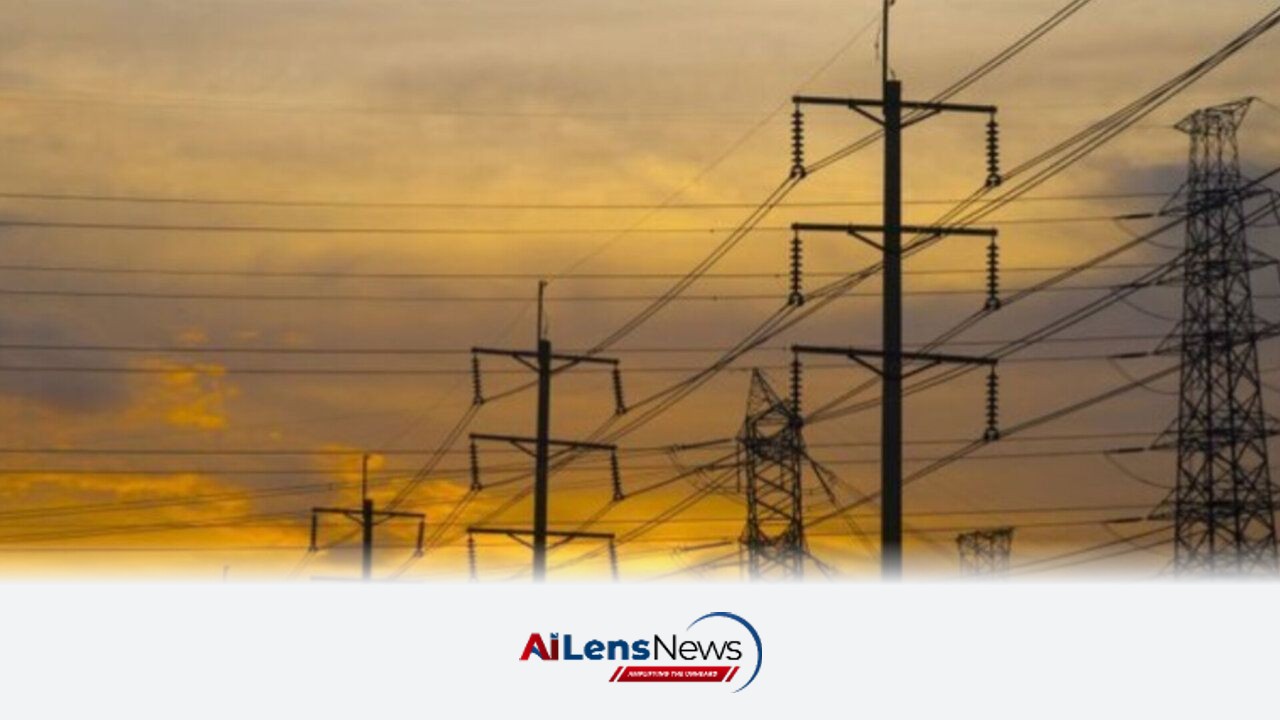



Iran's Energy Minister announced that the country's power generation capacity will surpass 110,000 megawatts by March 2027, alongside a push for renewable energy expansion.
Tehran, Iran Aug 26, 2026 ALN: TEHRAN- Iran's Energy Minister Abbas Aliabadi announced that the country's power generation capacity is projected to surpass 110,000 megawatts by the end of the current Iranian year (March 20, 2027). This announcement comes as part of a broader initiative to expand renewable energy plants across the nation, reflecting Iran's strategic shift towards sustainable energy solutions amid growing demands and environmental concerns.
The push to increase electricity generation capacity is not only a response to domestic needs but also a strategic move in the context of regional energy dynamics. Iran has historically relied on fossil fuels for energy production, primarily natural gas and oil. However, the increasing global emphasis on renewable energy and the need to comply with international environmental standards have prompted Iran to diversify its energy portfolio. The government aims to harness solar, wind, and hydroelectric power to create a more balanced and sustainable energy mix.
During a recent visit to North Khorasan province, Aliabadi emphasized the importance of meeting with the public to address local issues and follow up on necessary programs and projects. He noted that both public and private sector power plants had sustained damage during recent conflicts, with approximately 4,200 megawatts of capacity affected. This situation has underscored the vulnerability of energy infrastructure in conflict-prone areas, highlighting the need for robust maintenance and rapid recovery plans.
Aliabadi stated that state-owned power plants have been swiftly repaired and returned to the grid, while private-sector plants are currently undergoing reconstruction. He highlighted that the first damaged private-sector plant has already resumed operations, with plans for all affected facilities to be back online by next summer. This rapid recovery is crucial for restoring energy supply and ensuring that the country can meet its growing demand, particularly during peak usage periods.
The minister reiterated the need to enhance the country's power generation capacity, asserting that the current capacity is significant and expected to exceed the 110,000-MW threshold by the end of the year. He pointed out that alongside the expansion of thermal plants, a comprehensive program for developing renewable energy sources is underway, which is crucial for increasing generation capacity and ensuring a stable energy supply. The integration of renewable energy into the national grid is seen as a vital step towards reducing reliance on fossil fuels and minimizing environmental impacts.
Aliabadi outlined that the development of renewable energy is a major focus for the Energy Ministry, aimed at boosting production capacity to meet the growing demands of the country. The Iranian government has set ambitious targets for renewable energy generation, with plans to produce a significant portion of its electricity from sources such as solar and wind by 2030. This aligns with global trends where countries are increasingly investing in clean energy technologies to combat climate change and promote sustainable development.
During his visit, Aliabadi inaugurated 27 solar power plants built in schools across North Khorasan. This initiative not only contributes to the overall energy capacity but also serves an educational purpose, raising awareness among students about renewable energy and sustainability. Additionally, he centralized the inauguration of 7,800 residential units in the Golestan Township of Bojnord, which are likely designed to incorporate energy-efficient technologies and sustainable practices.
His itinerary also includes a visit to the Serani water transfer project, which is vital for the province's water security. Water scarcity is a pressing issue in many parts of Iran, exacerbated by climate change and mismanagement of resources. The integration of energy and water management projects reflects a holistic approach to tackling the interlinked challenges of energy supply and water availability.
On Thursday, the minister is scheduled to inaugurate a 100-MW solar power plant and a health worker training center at the Esfarayen University of Medical Sciences. The focus of his visit underscores the province's critical demands for sustainable water supply, renewable energy development, and the completion of infrastructure projects. These initiatives are expected to create jobs, stimulate local economies, and improve the overall quality of life for residents.
Aliabadi's visit highlights the Iranian government's commitment to enhancing energy production and addressing local needs through sustainable initiatives. The emphasis on renewable energy development is not only a response to domestic challenges but also positions Iran as a potential player in the regional energy market. As neighboring countries increasingly seek to transition to cleaner energy sources, Iran's advancements in renewable technologies could facilitate energy cooperation and trade in the region.
In conclusion, Iran's ambitious plans to exceed 110,000 megawatts of electricity generation capacity by March 2027 reflect a significant shift towards renewable energy and a strategic response to both domestic and global energy challenges. The government's focus on repairing and upgrading existing infrastructure, alongside the development of new renewable projects, illustrates a comprehensive approach to ensuring energy security and sustainability for the future.
To learn more about the latest developments in Inflation & Prices, stay updated with our exclusive reports and analyses on AILensNews.

In a recent meeting, Minister Pijush Hazarika urged CM-AAA beneficiaries to inve…

China's economy has transformed from mass production to a complex global player,…

Anil Ghelani from DSP Mutual Fund discusses how the Closing Auction Session (CAS…
In response to U.S. tariffs, Canada has announced $20 billion in counter-tariffs…

Thailand's exports rose significantly in July, surpassing forecasts, while impor…