

More
Checking your session
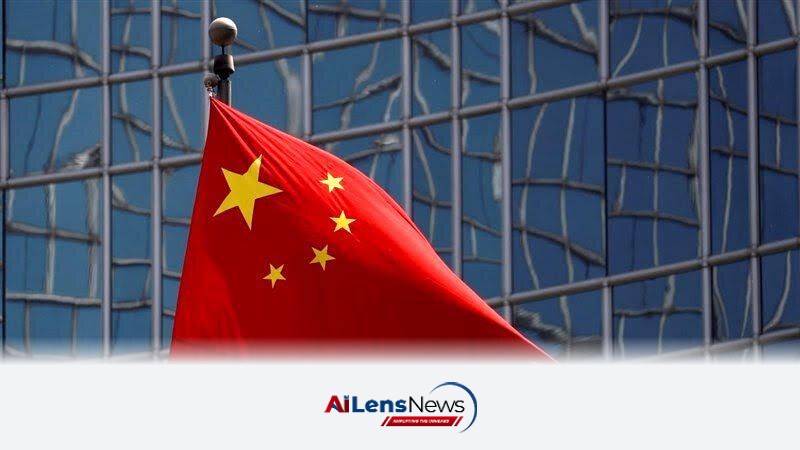



China's economy has transformed from mass production to a complex global player, leveraging integrated supply chains and emerging technologies to enhance its international economic influence.
Tehran, Iran Aug 27, 2026 ALN: Over the past two decades, China has evolved from an economy largely driven by mass production and industrial exports into a more complex actor in the global economy. It is no longer defined solely by low prices and high export volumes; rather, it exerts influence on international economic dynamics through a combination of industrial capacity, deeply integrated supply chains, emerging technologies, and an extensive network of overseas investment. This transformation is not just a reflection of China's internal economic policies but is also indicative of broader trends in globalization and international trade.
According to World Trade Organization data, China remains among the world’s largest merchandise exporters, with the value of its goods exports reaching approximately $3.77 trillion in 2025. This figure suggests that China’s weight in global trade has not only been maintained but has deepened in several sectors. The country has successfully transitioned from being a mere assembly hub to a leader in various high-tech industries, underpinned by a robust manufacturing base that is increasingly sophisticated.
Yet China’s commercial power cannot be reduced merely to export figures. Beijing’s principal advantage lies in its integration across the value chain. China is not simply an exporter of finished products; it also plays a decisive role in the supply of raw materials, intermediate components, assembly, logistics, and even industrial standard-setting. This characteristic has left many global industries—from electronics and machinery to renewable-energy technologies—still dependent on China’s production networks. The interdependence created by these supply chains means that disruptions in China can have ripple effects across the globe, affecting production timelines and costs in various sectors. At a time when the world faces geopolitical shocks, tariffs, and “de-risking” policies, China has sought to enhance its trade resilience by diversifying its markets and strengthening domestic demand.
In the sphere of technology and emerging industries, China is no longer merely an exporter of garments and consumer goods. It is consolidating its position in batteries, electric vehicles, solar panels, telecommunications equipment, and industrial artificial intelligence. The International Energy Agency indicates that China stands at the center of growing demand for and production of electric-vehicle batteries, making this industry one of the country’s new instruments of economic influence. This trend has created competitive advantages and new avenues of influence for Chinese companies, particularly in the markets of Asia, Africa, and Latin America. By investing heavily in research and development, China aims to not only meet domestic needs but also to position itself as a leader in the global green technology race.
Meanwhile, China’s outward investment has also become an important tool for expanding its economic reach. In recent years, Chinese companies have moved beyond an exclusive focus on exporting goods and toward establishing factories, forming industrial partnerships, acquiring assets, and developing distribution networks abroad. This shift brings China’s image closer to that of a “global manufacturer and investor” rather than merely a major trader. Such investments are often facilitated through initiatives like the Belt and Road Initiative (BRI), which aims to enhance infrastructure and trade connectivity across Asia, Europe, and Africa. At the same time, this trajectory is accompanied by challenges, including security sensitivities, technological restrictions, and intense competition in advanced markets. As China seeks to invest in foreign markets, it must navigate complex regulatory environments and geopolitical tensions that may arise from its growing economic footprint.
The implications of China’s evolving economic influence are significant not only for its trading partners but also for the global economic architecture as a whole. As China continues to assert its influence, countries around the world are reevaluating their economic strategies and alliances. For instance, the United States and the European Union have begun to adopt more protectionist measures, aiming to safeguard their industries from foreign competition, particularly in high-tech sectors. This has led to a more fragmented global trading environment, where alliances are being tested, and new coalitions are forming based on shared economic interests and security concerns.
In conclusion, China’s commercial power appears set to remain highly influential, though not in a simple or linear manner. The country’s path is shifting from the accumulation of volume toward improving quality, controlling supply chains, and gaining prominence in strategic industries. If China can strike a balance between export growth, technological innovation, and the management of trade tensions, it will remain one of the principal pillars of the global economy—a pillar that exports not only goods but also a new model of economic power. This model emphasizes not just economic growth but also the importance of sustainability, technological advancement, and strategic global partnerships.
As the world continues to grapple with the implications of China's economic rise, it is essential for other nations to adapt and respond to these changes. The future of global trade may very well hinge on how countries navigate their relationships with China and how they position themselves in an increasingly interconnected and competitive world.
To learn more about the latest developments in Inflation & Prices, stay updated with our exclusive reports and analyses on AILensNews.

In a recent meeting, Minister Pijush Hazarika urged CM-AAA beneficiaries to inve…

Anil Ghelani from DSP Mutual Fund discusses how the Closing Auction Session (CAS…

Thailand's exports rose significantly in July, surpassing forecasts, while impor…
In response to U.S. tariffs, Canada has announced $20 billion in counter-tariffs…

Iran's Energy Minister announced that the country's power generation capacity wi…