

More
Checking your session
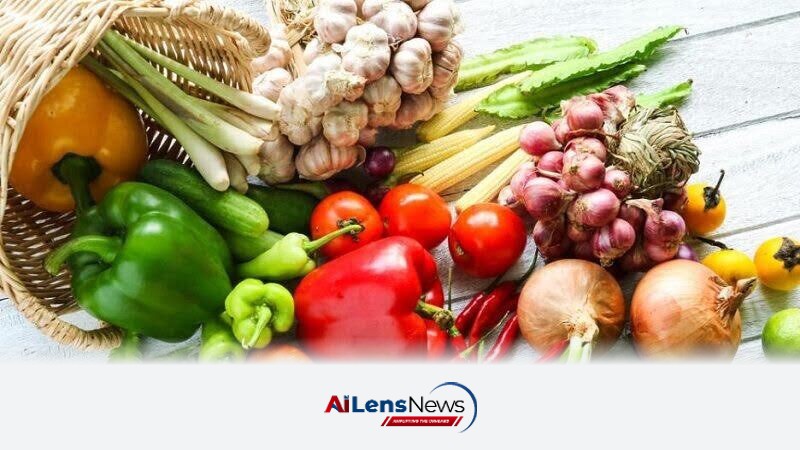



Despite facing drought and sanctions, Iran's agricultural output has increased to 137 million tons, highlighting the sector's critical role in food security.
Tehran, Iran Aug 30, 2026 ALN: TEHRAN- The Deputy Agriculture Minister for Cultivation Affairs announced that Iran's agricultural production has risen from approximately 130 million to 137 million tons, despite significant challenges such as drought, water resource constraints, and sanctions. This increase in production is particularly noteworthy given the context of ongoing environmental and economic difficulties that have historically impacted the agricultural sector in Iran.
In a meeting with the Governor of Kermanshah, Majid Anjafi emphasized the agricultural sector's vital role in ensuring food security, stating, "The country's conditions and the limitations facing the agricultural sector highlight its importance and position more than ever before, and today food security is one of the key pillars of national security." This statement underscores the integral link between agricultural productivity and national stability, especially in a country where a significant portion of the population relies on domestic agriculture for sustenance.
He noted that last year marked one of the most severe drought periods in the last 50 years, compounded by water resource limitations and sanctions. The prolonged drought conditions have not only affected crop yields but have also raised concerns about the sustainability of water resources in the region. Nevertheless, the dedication of farmers, producers, experts, and managers led to an increase in agricultural production, highlighting the resilience and adaptability of the agricultural community in the face of adversity.
Anjafi pointed out that according to the development plan, around 65 billion cubic meters of water should be allocated to the agricultural sector. However, last year, the Ministry of Energy announced only 51 billion cubic meters for cultivation, indicating a significant reduction in water resources. This discrepancy raises critical questions about water management policies and the need for more effective allocation strategies that can support agricultural needs while addressing the broader challenges of water scarcity.
Record Production Achieved Despite Severe Water Shortage
Despite these limitations, Anjafi stated that increased production demonstrates the agricultural sector's resilience in overcoming difficult conditions and utilizing existing capacities. Innovative farming techniques, improved crop varieties, and better resource management have all played a role in this achievement. Kermanshah province was identified as a key agricultural region, with its diverse agricultural production contributing to its improved ranking in the cultivation sector. The province's agricultural landscape includes a variety of crops, which helps mitigate risks associated with climate variability and market fluctuations.
Anjafi expressed gratitude to the provincial management and the Kermanshah Agriculture Organization, highlighting the importance of continued support for advancing agricultural programs. The collaboration between government entities and local agricultural organizations is crucial for implementing effective policies that can enhance productivity and sustainability in the sector.
He also discussed the Ministry of Agriculture's plans to address the water crisis by exploring new methods to increase production and productivity, collaborating with research institutions, and implementing innovative projects. The integration of research and technology into agricultural practices is essential for developing solutions that can withstand the pressures of climate change and resource limitations.
Technology, New Wheat Varieties, and a Push for Oilseeds
Anjafi emphasized the role of technology in enhancing water productivity, noting that many previously water-intensive crops are now being produced with less water due to new methods. For instance, wheat production has improved significantly, requiring only about half the water previously needed. This shift not only conserves water but also increases the overall efficiency of agricultural practices, making it possible to sustain higher levels of production even in the face of water scarcity.
He reported that about 90 wheat cultivars have been developed to suit various climatic conditions across the country, aiming to enhance crop diversity and resource productivity. This diversification is critical as it allows farmers to select varieties that are better suited to their local environments, thereby improving resilience against pests, diseases, and changing climate conditions.
The Deputy Minister highlighted the implementation of a targeted subsidy system in agriculture as a significant recent change, directing support more effectively to producers and farmers. This system aims to ensure that financial assistance reaches those who need it most, thereby enhancing productivity and encouraging sustainable farming practices.
He noted that the expansion of oilseed cultivation has transformed the agricultural sector, with increased farmer interest in cultivating oilseeds due to recent policy changes. Oilseeds are vital not only for domestic consumption but also for reducing the need for imports, which is particularly important in the context of economic sanctions and trade restrictions.
Anjafi assured that necessary measures for supplying inputs for the next crop year have been taken, anticipating a favorable crop year based on meteorological forecasts. The proactive approach to resource management and planning is essential for ensuring that the agricultural sector can meet both domestic demand and potential export opportunities.
He stated, "Total agricultural production in the country has reached about 137 million tons, with 70 to 75 percent of this production related to crop products, a significant achievement for ensuring food security." This statistic highlights the critical role that crop production plays in the overall agricultural landscape of Iran, reinforcing the importance of policies that support crop diversity and sustainability.
Kermanshah Emerges as a National Agricultural Powerhouse
Anjafi described Kermanshah as a major hub for agricultural production, noting its rise from fifth to fourth place in the country's cultivation sector due to the efforts of farmers and agricultural management. This advancement reflects not only the hard work of local farmers but also the effectiveness of agricultural policies implemented at the provincial level.
He attributed this success to the collaboration and support of the province's top management and expressed appreciation for the farmers' dedication to ensuring food security under challenging conditions. The recognition of Kermanshah's agricultural achievements serves as a model for other regions, illustrating the potential for growth and development within the sector.
Overall, the development of strategic products and the expansion of contract farming have significantly enhanced Kermanshah's agricultural standing, with potential for further improvement given its existing capacities. The focus on strategic products aligns with national goals for food security and self-sufficiency, making the agricultural sector a critical component of Iran's economic strategy moving forward.
To learn more about the latest developments in Inflation & Prices, stay updated with our exclusive reports and analyses on AILensNews.

Sugar prices continue to exceed sixty rupees per kilogram nationwide, with gover…

India's exporters face soaring freight costs and shipping disruptions, prompting…

Iran has completed drilling two wells in the Balal gas field, set to boost daily…
TEHRAN - Iran's Oil Minister Mohsen Paknejad announced that the sale and deliver…
The first consignment of sea buckthorn pulp from Kargil has been dispatched to D…