

More
Checking your session
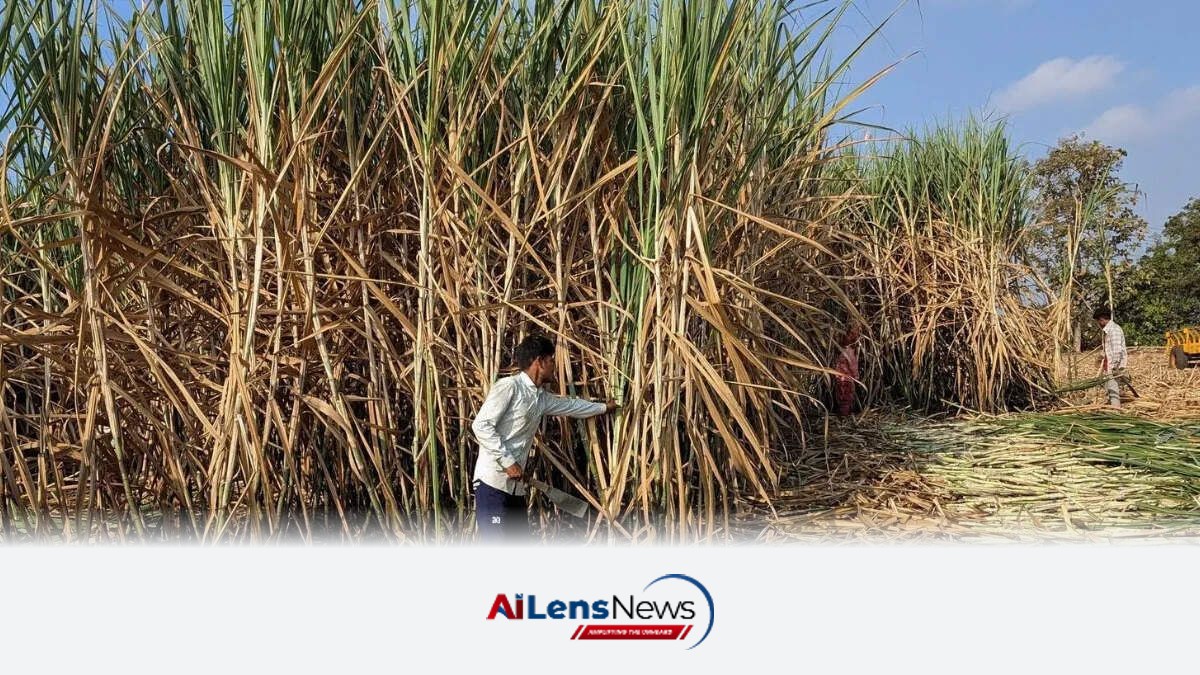



Union Minister Pralhad Joshi announced government measures to manage sugar availability and prices due to production declines caused by red rot disease and El Nino.
New Delhi, India Aug 23, 2026 ALN: Union Minister Pralhad Joshi on Sunday stated that the Indian government is taking significant steps to ensure sugar availability and manage rising prices as the festival season approaches. This includes the temporary import of raw sugar to address the challenges posed by declining domestic production. The move comes at a critical time when sugar is not only a staple in Indian households but also plays a crucial role in festivities across the nation, where sweets and desserts are integral to celebrations.
Joshi attributed the drop in sugar production to the unexpected outbreak of red rot disease and the adverse effects of El Nino, which have impacted agricultural output both in India and globally. Red rot, a fungal disease affecting sugarcane, has been a persistent issue for farmers, leading to significant crop losses. The El Nino phenomenon, characterized by irregular weather patterns, has also contributed to erratic rainfall and temperature fluctuations, further complicating agricultural practices. He emphasized the seriousness of the situation, saying, "Because of the red rot disease, which was very unexpected, and El Nino, overall agricultural production, including sugar, has come down not only in India but globally. We are very concerned about it, which is why we have immediately taken several measures."
India's annual sugar requirement is approximately 280 lakh tonnes, and currently, there is a surplus of 20 to 25 lakh tonnes. However, the anticipated decrease in production due to the aforementioned factors has raised alarms about the sufficiency of this surplus to meet the upcoming demand, especially during the festive season when sugar consumption typically peaks. Joshi reassured the public that the government is closely monitoring the situation and has already implemented measures to mitigate the impact of rising sugar prices. The administration's focus on maintaining a balance between supply and demand is critical, especially as consumer behavior shifts during festive periods.
As the festival season approaches, the government is prioritizing the import of raw sugar as a temporary solution. This strategy aims to fill the gap created by domestic production shortfalls and stabilize market prices. Joshi highlighted the urgency of this action, stating, "Import measures are being taken as the festival season is approaching, and there are many major festivals...we have already taken many measures, including raw sugar imports as a temporary measure." This proactive approach underscores the government's commitment to ensuring that consumers do not face shortages or exorbitant prices during a time when sugar is in high demand.
The Ministry of Consumer Affairs, Food and Public Distribution reported a significant increase in retail sugar prices, which rose from Rs 48.18 per kg on July 20 to Rs 55.70 per kg on August 20. This increase has been attributed to various factors, including the production challenges mentioned by Joshi. The rising prices not only affect consumers but also have broader implications for the agricultural , as sugarcane is a vital cash crop for millions of farmers across India. The spike in prices has raised concerns about inflation and its potential impact on household budgets, particularly for lower-income families who rely on sugar for daily consumption.
In response to the situation, Congress General Secretary Randeep Singh Surjewala criticized the government, claiming that farmers are not receiving timely payments for the sugarcane they supply. He expressed concern over the shift from being a sugar-exporting nation to importing sugar for the first time. Surjewala stated, "You do not pay farmers for the sugarcane they sell for up to a year; why would they cultivate it? We used to export sugar, but for the first time, sugar is being imported." His comments reflect a growing discontent among farmers regarding the agricultural policies and their implementation, particularly concerning payment delays and support systems. This criticism highlights the ongoing struggles faced by farmers in securing fair compensation for their produce, which in turn affects their willingness to cultivate sugarcane in the future.
As the government continues to implement measures to stabilize the sugar market, the agricultural sector remains under scrutiny, with calls for better support and timely payments for farmers. The reliance on imports to meet domestic demand raises questions about the long-term sustainability of India's sugar industry and the potential repercussions for farmers who depend on sugarcane cultivation for their livelihoods. The situation underscores the need for comprehensive agricultural reforms that address both production challenges and market dynamics.
In conclusion, the government's proactive approach aims to alleviate the pressures on sugar availability and pricing, ensuring that consumers have access to this essential commodity during the upcoming festival season. However, the effectiveness of these measures will depend on the government's ability to address the underlying issues affecting production and to provide adequate support to farmers. As India navigates the complexities of agricultural challenges exacerbated by climate change and disease, the implications for food security and rural livelihoods will remain a critical area of focus for policymakers and stakeholders alike. Ensuring a stable sugar supply not only supports consumer needs but also plays a vital role in the overall health of the agricultural sector in India.
To learn more about the latest developments in Trade & Commerce, stay updated with our exclusive reports and analyses on AILensNews.

The government has mandated bulk sugar users to liquidate excess stocks by Augus…

India and China are working on a new framework to enhance business exchanges and…

Ficci president Anant Goenka highlights challenges faced by Indian exporters in …

Japanese financial institutions have expressed concerns about currency fluctuati…

Analysts have revised their estimates for FCNR(B) deposit inflows, projecting to…