

More
Checking your session
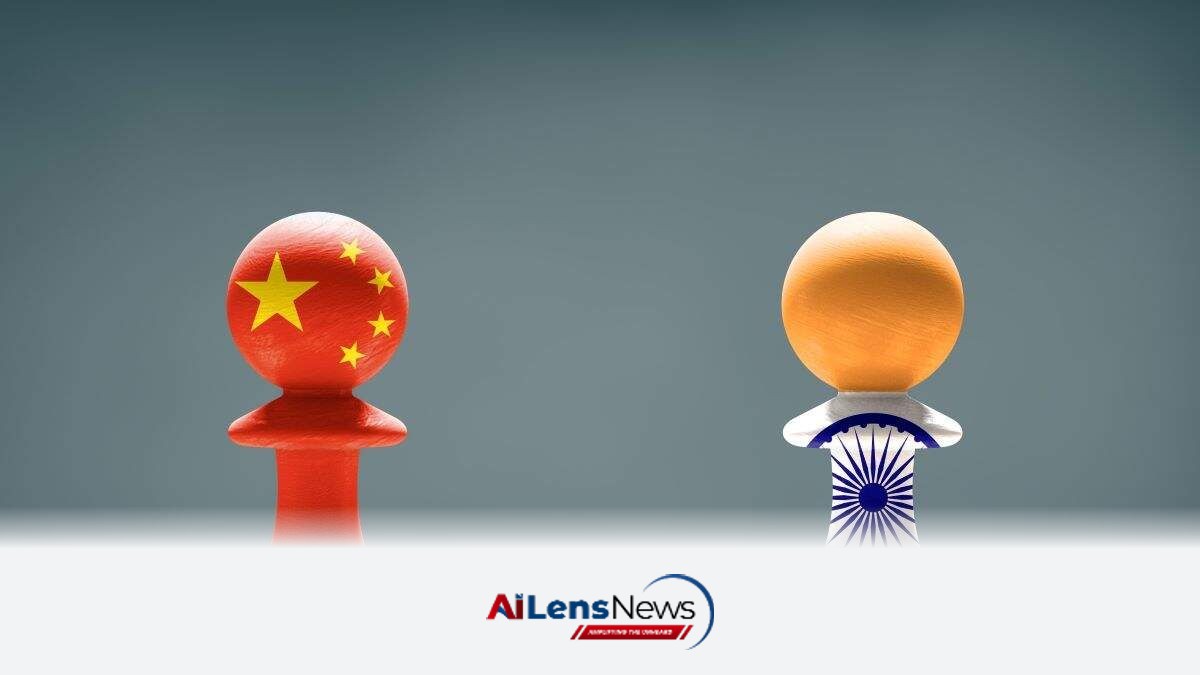



India and China are working on a new framework to enhance business exchanges and investments, with a focus on easing processes and improving ties.
New Delhi, India Aug 27, 2026 ALN: New Delhi: India and China are exploring a new framework to facilitate business-to-business exchanges and Chinese investments, with a focus on accelerated capital flow, as the neighbours cautiously move to rekindle commercial ties amid a broader thawing of diplomatic relations. This initiative comes at a time when both nations are looking to stabilize their interactions following years of heightened tensions and geopolitical rivalry.
Beijing may unveil an investment package for India, including a special zone with easier access to the sea route, during Chinese President Xi Jinping's visit for the BRICS summit on September 12-13. Xi will meet PM Narendra Modi in New Delhi, groundwork for which was laid during NSA Ajit Doval's recent visit to Beijing. This meeting is significant as it marks Xi's first visit to India since 2019, a period during which bilateral relations have been strained due to border conflicts and trade disputes.
Of particular note is a likely push by Beijing for its electric vehicles, including leading EV maker BYD, into the Indian market. As India seeks to transition to greener energy solutions and reduce its carbon footprint, the entry of Chinese electric vehicle manufacturers could play a crucial role in this transformation. Another proposal on the table is third country exports from a proposed export processing zone in India built with Chinese funding. This could facilitate not only Chinese exports but also create a new avenue for Indian goods to reach international markets, thus enhancing India's export capabilities.
The overall investment package may not be huge since the two sides are currently focused on steadily improving overall ties and managing differences after a six-year freeze. The Chinese side, however, wants to capitalize on Xi's first visit to India since 2019 and is keen to make announcements for possible investments including in the export processing zone. This reflects a strategic shift in China's approach to India, moving from confrontation to cooperation in certain sectors.
Further easing the approval process for Chinese investments in non-strategic sectors is also being examined. A second person noted that substantial easing has already been done but there can be scope for some more steps. This could involve streamlining regulatory requirements and providing clearer guidelines for Chinese firms looking to invest in India, which would be beneficial for both economies.
However, certain areas remain barred to Chinese investments, including projects along the Line of Actual Control, as well as defense and other sensitive sectors. New Delhi is intent on getting Beijing's assurance on smoother access to technology and critical raw material supplies. This is particularly important as India aims to bolster its manufacturing capabilities and reduce its reliance on imports, especially from China, which has historically dominated several sectors.
Noted China expert and Jawaharlal Nehru University's Professor Srikanth Kondapalli cautioned that merely making announcements doesn't signify automatic implementation. This is evident from the abysmal track record of China's 2014 announcement of a $20-billion investment in India, with total investments of only $2 billion in the last 12 years. Such historical precedents raise questions about the feasibility and sincerity of the current proposals and whether they will translate into tangible benefits for India.
Prior to Covid-19 and the Galwan Valley clashes, there were around 1,000 Chinese companies operating in India, which has since declined. The decline in Chinese business presence in India can be attributed to a combination of geopolitical tensions, regulatory challenges, and a growing sentiment within India to reduce dependency on Chinese goods. That may make a slow revival post Xi's New Delhi visit. The potential for renewed investment could hinge on both nations' willingness to address underlying issues and foster a more conducive environment for business.
The Indian side is insisting on enhanced Chinese investments and for Beijing to increase imports from India, including industrial goods, to narrow the large trade deficit. This trade imbalance has been a point of contention, with India advocating for a more equitable trading relationship that benefits both parties. The focus on increasing exports to China could help India in its quest for self-reliance and bolster its manufacturing sector.
In conclusion, both nations are taking cautious steps to improve their relationship while managing their historical differences. The upcoming visit by Xi Jinping could be a pivotal moment in reshaping India-China ties. While the potential for collaboration exists, it will require sustained dialogue, trust-building measures, and a commitment to addressing mutual concerns. The evolving dynamics between these two Asian giants will not only impact their bilateral relations but also have significant implications for regional stability and global trends.
To learn more about the latest developments in Trade & Commerce, stay updated with our exclusive reports and analyses on AILensNews.

The government has mandated bulk sugar users to liquidate excess stocks by Augus…

Ficci president Anant Goenka highlights challenges faced by Indian exporters in …

Japanese financial institutions have expressed concerns about currency fluctuati…

Analysts have revised their estimates for FCNR(B) deposit inflows, projecting to…

India has mobilized $73 billion in foreign exchange inflows in less than 11 week…