

More
Checking your session
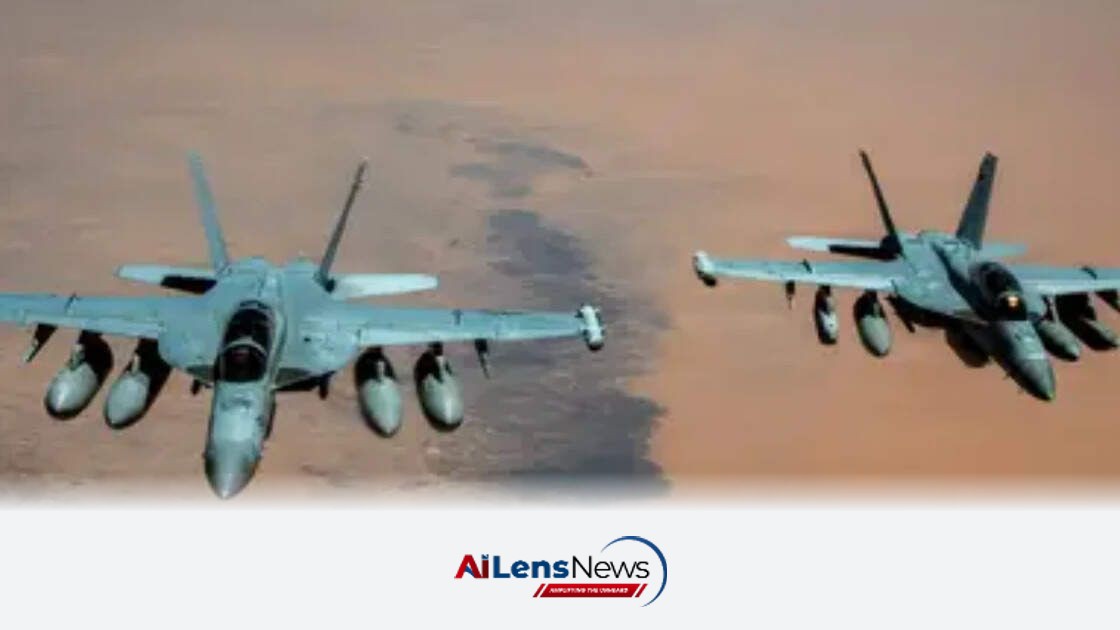



US forces have launched a military strike against Iranian rocket launchers near the Strait of Hormuz, marking a significant escalation in tensions in the region.
New Delhi, India Aug 31, 2026 ALN: Washington: US forces have struck Iranian rocket launchers on the Strait of Hormuz in the first military action in a month, a US official said Sunday.
Semiofficial news outlets in Iran reported sounds of explosions near Larak island on the strait. Forces with the Revolutionary Guard Corps were observed preparing to launch rockets with sea mines into the strait, according to the official, who spoke on condition of anonymity to detail sensitive military movements.
This military engagement comes after a period of heightened tensions between the US and Iran. The US military had recently completed clearing sea mines from the strait's shipping lanes, a crucial waterway for global oil transport. The Iranian state media reported casualties among Revolutionary Guard Corps fighters, indicating the strike's impact.
Iran's state broadcaster warned that the attack would lead to punishment for the aggressor, reflecting the ongoing volatility in the region. The US has been closely monitoring Iranian military activities, especially those involving the Revolutionary Guard Corps, which has been involved in various military operations in the area.
This incident marks a significant moment in the ongoing conflict, as it is the first military action in the region in several weeks. The US has previously expressed concerns over Iran's military capabilities and its potential threats to maritime security.
The Strait of Hormuz is one of the world's most strategically important waterways, with approximately 20% of the global oil supply passing through it. As such, any military actions in this region can have far-reaching implications not only for the countries directly involved but also for global energy markets and international relations. The US has long maintained a military presence in the region to ensure the safety of navigation and to deter hostile actions from Iran, which has been accused of threatening shipping routes and engaging in provocative military behavior.
In recent years, tensions between the US and Iran have escalated significantly, particularly following the US withdrawal from the Joint Comprehensive Plan of Action (JCPOA) in 2018. This agreement, designed to limit Iran's nuclear program in exchange for sanctions relief, was seen as a critical diplomatic achievement. However, the US exit and the re-imposition of sanctions led to increased hostilities, with Iran expanding its nuclear activities and engaging in aggressive military posturing in the region.
The Revolutionary Guard Corps, which operates independently of the Iranian military, has been at the forefront of Iran's regional military strategy. This includes supporting proxy groups in Iraq, Syria, Lebanon, and Yemen, as well as conducting military exercises and operations in the Persian Gulf. The US has designated the Revolutionary Guard as a terrorist organization, further straining relations between the two nations.
In the lead-up to this military strike, there had been a series of incidents involving Iranian forces, including the seizure of commercial vessels and attacks on oil tankers in the Gulf. These actions have been viewed by the US and its allies as part of a broader strategy by Iran to exert influence and disrupt maritime trade in the region. The US has responded with increased naval patrols and military exercises with allied nations, underscoring its commitment to maintaining freedom of navigation in the Strait of Hormuz.
The ramifications of this latest strike are likely to be significant. Analysts suggest that Iran may retaliate in some form, which could escalate into a broader military confrontation. The Iranian leadership has consistently vowed to respond to any attacks on its forces or territory, and the current geopolitical climate suggests that any retaliation could involve asymmetric warfare tactics, including cyberattacks or strikes against US interests in the region.
Furthermore, this incident could also impact US domestic politics, as the Biden administration navigates its foreign policy priorities in the Middle East. The administration has been attempting to balance a diplomatic approach toward Iran with the need to address security concerns and protect US allies in the region, particularly Israel and Gulf Arab states. The dynamics of this military engagement may influence ongoing discussions about the future of US-Iran relations, including potential negotiations over nuclear capabilities and regional security arrangements.
As the situation develops, analysts are closely watching for further responses from Iran and the potential implications for US military strategy in the region. The international community is also likely to respond, as any escalation could have significant consequences for global oil prices and international trade routes. The situation remains fluid, and further military actions or diplomatic efforts may emerge in the coming days as both sides assess their next moves in this complex and volatile conflict.
To learn more about the latest developments in Global Business, stay updated with our exclusive reports and analyses on AILensNews.

A hiker's backpack, lost in 1963, was recovered from Austria's Sulztalferner gla…

President Trump aims to enhance US space travel, targeting over 1,000 launches a…

The Quad nations reaffirmed their commitment to ASEAN's Indo-Pacific Outlook, fo…


Dissenting lenders claim that five entities linked to Subhash Chandra controlled…