

More
Checking your session
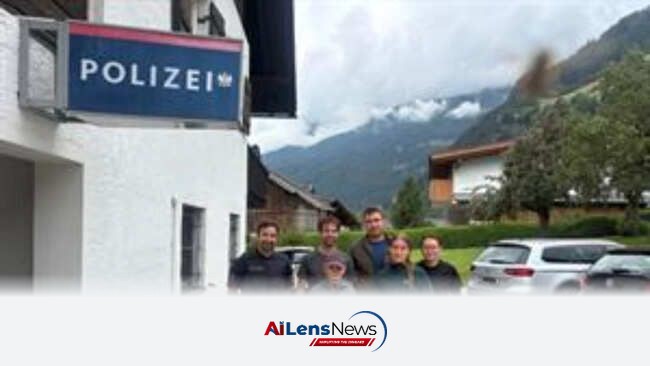



A hiker's backpack, lost in 1963, was recovered from Austria's Sulztalferner glacier after 63 years, reuniting his family with his belongings.
New Delhi, India Aug 30, 2026 ALN: In a remarkable turn of events, a backpack lost by a hiker in 1963 has been recovered from the Sulztalferner glacier in Austria, 63 years after it was thrown into a crevasse during a perilous mountain crossing. This discovery not only highlights the effects of climate change on glaciers but also reunites the belongings with the hiker's family, bringing closure to a decades-long mystery.
In 1963, a 23-year-old hiker faced a life-threatening situation while traversing the treacherous Tyrol region. To save himself from falling into a deep crevasse, he threw his backpack into the ice. This decision, made in a moment of panic, resulted in the loss of his essential gear, including a camera, an ice axe, and personal items. At the time, the hiker likely did not realize that his belongings would remain buried in the glacier for more than six decades. The Tyrol region, known for its breathtaking landscapes and challenging terrain, has long been a popular destination for hikers and mountaineers, attracting adventurers from around the world. However, the risks associated with such treks, especially in glacial areas, are significant, as demonstrated by this incident.
Fast forward to 2026, as melting glaciers due to rising temperatures have begun to expose long-buried treasures. The hiker's belongings were uncovered, leading to a significant reunion for his family. The now 86-year-old man’s family was able to reclaim the items that had been lost for over six decades. The recovery process involved local authorities and mountaineering experts who have been monitoring the glacier’s changes over the years. As the ice recedes, it not only reveals personal artifacts but also offers insights into historical events and the lives of those who ventured into these remote areas. This particular recovery is emblematic of how climate change is reshaping our understanding of history, as it unearths that were previously frozen in time.
This event serves as a poignant reminder of the ongoing effects of climate change. Glaciers around the world are melting at unprecedented rates, revealing artifacts and remnants of the past. The recovery of the hiker's belongings not only tells a personal story but also raises awareness about the broader implications of environmental change. Scientists have been warning for years that the accelerated melting of glaciers is a direct consequence of rising global temperatures, which are linked to human activities such as fossil fuel consumption and deforestation. The Sulztalferner glacier, like many others, has been shrinking, and its retreat is a visible indicator of climate change. This incident highlights the dual narrative of loss and discovery; while the melting glaciers signify environmental degradation, they also reveal hidden hi that prompt reflection on our past and future.
The implications of this discovery extend beyond the personal story of the hiker and his family. It raises questions about how climate change will continue to impact not only the natural world but also human history and culture. As glaciers melt, they may expose more artifacts, offering researchers and historians a unique opportunity to study the past. However, this also underscores the urgency of addressing climate change, as the loss of glaciers represents not just a loss of ice but a loss of cultural heritage and historical context.
Moreover, the phenomenon of melting glaciers is not limited to the Alps; it is a global issue affecting mountainous regions across continents. From the Himalayas to the Andes, glaciers are retreating, and communities that rely on glacial meltwater for their livelihoods are facing increasing challenges. The that emerge from these melting ice masses can serve as powerful motivators for climate action, as they illustrate the tangible consequences of environmental neglect.
The recovery of the hiker's backpack is a unique intersection of personal history and environmental science. As families reconnect with lost items, it also prompts a reflection on the changes occurring in our natural world. This story is a testament to resilience, both of the individual and the environment. It serves as a reminder that while climate change poses significant challenges, it also offers opportunities for learning and understanding our shared history. The hiker's family can now cherish the memories associated with the recovered items, while the broader community is reminded of the urgent need to address the climate crisis. As we navigate the complexities of our changing planet, like this one can inspire a renewed commitment to preserving both our natural landscapes and the hi they hold.
To learn more about the latest developments in Global Business, stay updated with our exclusive reports and analyses on AILensNews.

US forces have launched a military strike against Iranian rocket launchers near …

President Trump aims to enhance US space travel, targeting over 1,000 launches a…

The Quad nations reaffirmed their commitment to ASEAN's Indo-Pacific Outlook, fo…


Dissenting lenders claim that five entities linked to Subhash Chandra controlled…