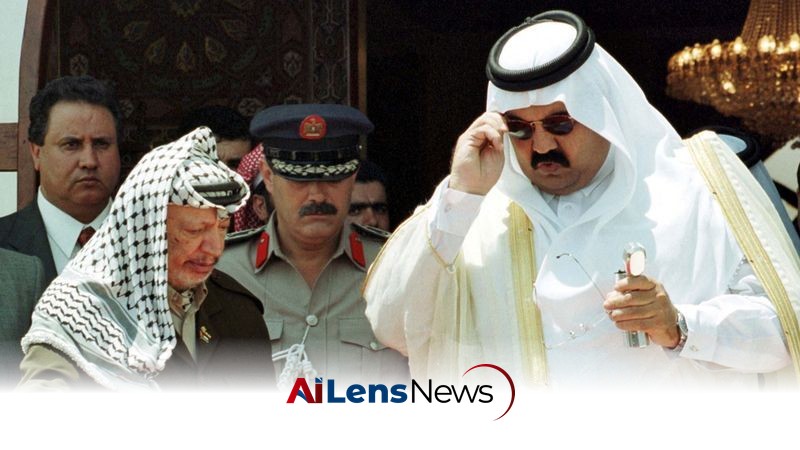


India has declared a one-day mourning period for Sheikh Hamad, former Emir of Qatar, honoring his contributions to the nation and global relations.
Leh, India Jul 13, 2026 ALN: India has officially declared a one-day mourning period in honor of Sheikh Hamad bin Khalifa Al Thani, the former Emir of Qatar, who passed away recently. This decision reflects the deep respect and recognition of Sheikh Hamad's significant contributions to Qatar's development and its international relations. The mourning period is a gesture of solidarity and respect, highlighting the close ties between India and Qatar, which have been strengthened over the years through diplomatic, economic, and cultural exchanges.
Prime Minister Narendra Modi expressed his condolences, describing Sheikh Hamad as a visionary leader who played a pivotal role in transforming Qatar into a prosperous nation. Under his leadership, Qatar witnessed remarkable economic growth and development, elevating its status on the global stage. Sheikh Hamad's tenure is marked by a series of strategic initiatives that not only advanced Qatar's domestic agenda but also positioned the country as a significant actor in international affairs.
Sheikh Hamad ruled Qatar from 1995 until his abdication in 2013, during which he implemented numerous reforms that modernized the country. His vision included diversifying the economy, investing in education, and enhancing the healthcare system. Sheikh Hamad's leadership style fostered a sense of national identity and unity among the Qatari people. His policies led to the establishment of a robust infrastructure, including the development of roads, airports, and public transportation, which facilitated the rapid growth of the nation.
One of the most significant aspects of Sheikh Hamad's legacy is his commitment to education. He recognized that the future of Qatar depended on a well-educated populace and invested heavily in educational institutions. This included the establishment of Qatar University and the Qatar Foundation, which supports research and innovation. The focus on education has empowered a new generation of Qataris, enabling them to contribute to the country's development and engage with the global community.
During his reign, Sheikh Hamad also focused on strengthening Qatar's international relations. He was instrumental in establishing Qatar as a key player in regional and global politics. His diplomatic efforts included mediating conflicts and promoting peace in the Middle East. Sheikh Hamad's foreign policy was characterized by a pragmatic approach that prioritized dialogue and cooperation over confrontation. This was particularly evident in his efforts to mediate disputes in Lebanon, Sudan, and other conflict zones, earning Qatar a reputation as a neutral broker in international diplomacy.
Moreover, Sheikh Hamad's leadership coincided with Qatar's rise as a significant economic power, primarily due to its vast natural gas reserves. Under his guidance, Qatar became one of the world's leading exporters of liquefied natural gas (LNG), which significantly boosted the country's economy and enabled it to invest in various sectors, including real estate, tourism, and finance. This economic boom also allowed Qatar to increase its foreign aid and investment in various countries, further enhancing its diplomatic influence.
Sheikh Hamad's foreign policy initiatives also included fostering strong ties with countries around the world, including India. The bilateral relationship between India and Qatar has grown significantly during his reign, with increased cooperation in trade, investment, and cultural exchanges. The large Indian expatriate community in Qatar has also played a crucial role in strengthening these ties, contributing to the social and economic fabric of the nation.
The announcement of mourning in India has been met with tributes from various leaders and dignitaries worldwide. Many have praised Sheikh Hamad for his commitment to peace and development. His legacy continues to inspire leaders across the globe. Leaders from various countries have expressed their condolences, recognizing the impact of Sheikh Hamad's leadership on regional stability and economic development. The outpouring of tributes reflects the high regard in which he was held internationally and the respect he commanded among his peers.
In addition to political leaders, many organizations and institutions have also paid tribute to Sheikh Hamad. Educational institutions, think tanks, and non-governmental organizations have highlighted his contributions to education and research, emphasizing the importance of his vision in shaping a better future for Qatar and the broader region. The emphasis on education and innovation during his tenure has left a lasting impact, fostering a culture of learning and inquiry that continues to thrive in Qatar.
As India observes this day of mourning, it stands in solidarity with the people of Qatar, honoring a leader whose vision and dedication left an indelible mark on both nations. Sheikh Hamad's contributions will be remembered as a significant chapter in the history of Qatar and its relations with India. The mourning period serves not only as a tribute to his legacy but also as a reminder of the enduring friendship between India and Qatar, which has been built on mutual respect, shared values, and a commitment to peace and development.
Looking ahead, the principles and policies championed by Sheikh Hamad will likely continue to influence Qatar's trajectory as it navigates the complexities of the modern world. His emphasis on education, economic diversification, and diplomatic engagement will remain relevant as Qatar seeks to maintain its position as a key player on the global stage. The mourning period in India underscores the importance of these principles and the shared aspirations of both nations as they work towards a prosperous future.
In the broader context of international relations, Sheikh Hamad's approach to diplomacy has set a precedent for how smaller nations can exert influence on the global stage. His ability to mediate conflicts and foster dialogue among larger powers has shown that even nations with limited military might can play a crucial role in promoting peace and stability. This legacy will likely inspire future leaders in Qatar and beyond to continue pursuing diplomatic solutions to complex geopolitical issues.
Furthermore, the economic strategies implemented during Sheikh Hamad's rule have laid the groundwork for Qatar's continued growth and development. The diversification of the economy away from oil dependency is a pressing concern for many Gulf nations, and Qatar's model under Sheikh Hamad serves as a potential blueprint for others to follow. By investing in education, healthcare, and infrastructure, Qatar has positioned itself to thrive in a post-oil world.
As the world reflects on Sheikh Hamad's life and contributions, it is essential to recognize the interconnectedness of nations in today's globalized society. The mourning period in India is a poignant reminder that the legacies of leaders transcend borders and have lasting impacts on international relations. The friendship between India and Qatar, fostered during Sheikh Hamad's reign, will continue to evolve, driven by shared interests and mutual respect.
In conclusion, the mourning period declared by India in honor of Sheikh Hamad bin Khalifa Al Thani is not just a reflection of respect for a leader who has passed but also an acknowledgment of the enduring bonds that connect nations. As both India and Qatar move forward, they carry with them the lessons learned from Sheikh Hamad's leadership, ensuring that his vision for a prosperous and harmonious future will continue to guide their paths.
To learn more about the latest developments in Culture & Society, stay updated with our exclusive reports and analyses on AiLensNews.

