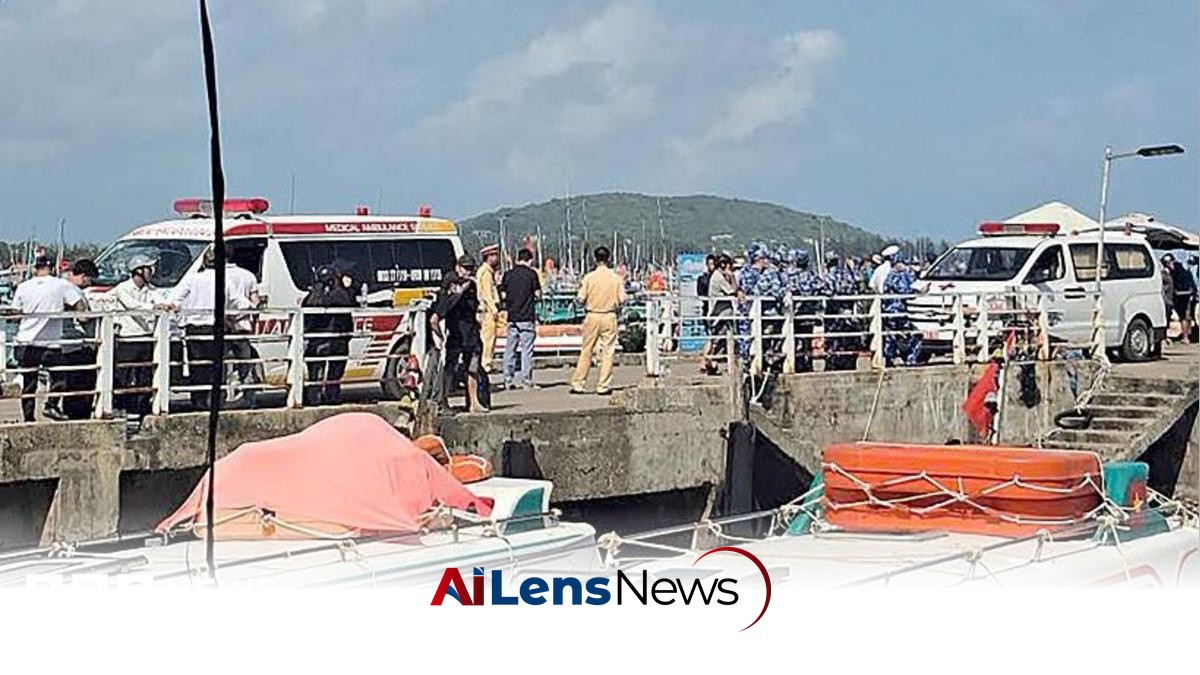


A tragic speedboat accident near Hon May Rut Ngoai island in Vietnam has claimed the lives of 15 individuals, primarily Indian tourists, with 21 others rescued.
New Delhi, India Jul 11, 2026 ALN: Fifteen people have died after a speedboat carrying Indian tourists capsized near an island in the south of Vietnam, local media report citing regional authorities.
This tragic incident has drawn significant attention not only due to the loss of life but also because it highlights the risks associated with maritime tourism, particularly in regions known for their beautiful yet unpredictable waters. Maritime tourism is a vital part of the economy in many coastal areas, providing jobs and attracting visitors from around the . However, it also carries inherent risks, especially in areas where weather conditions can change rapidly and where safety regulations may not always be strictly enforced.
The speedboat, reportedly carrying 32 Indian tourists and four crew members, overturned approximately 400 meters (1,312 feet) from Hon May Rut Ngoai island. This area is known for its picturesque landscapes and is a popular destination for tourists seeking island-hopping boat tours. The incident occurred on a Saturday, during what is typically a busy time for tourist activities, raising concerns about safety regulations and practices in the region. Such incidents are not uncommon in tourist-heavy areas, where the influx of visitors can sometimes outpace the implementation of adequate safety measures.
According to reports, the capsizing was exacerbated by rough sea conditions, including heavy winds and high waves. Nguyen Tien Hai, a senior Communist official in the area, indicated that these environmental factors likely played a significant role in the tragedy. He stated, "The top priority is rescue, bringing all victims ashore and focusing all efforts on providing emergency care to those who are still alive." This underscores the urgency and importance of immediate rescue operations in the wake of such disasters. The quick response from nearby vessels and local authorities was crucial in saving 21 individuals, showcasing the bravery and dedication of those involved in rescue efforts.
In the aftermath of the capsizing, several tourist vessels in the vicinity quickly responded to the emergency, assisting in the rescue efforts. Many passengers were reportedly trapped inside the overturned boat, and rescuers worked diligently to extricate them. While 21 individuals were saved, the loss of life has deeply affected the families of the victims and the broader community. The emotional impact of such tragedies is often profound, affecting not only the immediate families but also friends, colleagues, and the local community, which may share in the grief of such a devastating event.
Hon May Rut Ngoai, a tiny island in the An Thoi Archipelago in the Gulf of Thailand, is situated about 10 kilometers (six miles) south of Phu Quoc, which is Vietnam's largest island. The island is renowned for its natural beauty, including pristine beaches and vibrant marine life, making it a favored spot for both domestic and international tourists. However, the incident has raised questions about the safety measures in place for tourists engaging in maritime activities in the region. The popularity of this destination may lead to complacency regarding safety, which can have dire consequences when faced with adverse weather conditions.
As investigations into the cause of the capsizing continue, local authorities are working to confirm the exact number of casualties and survivors. The Indian embassy in Vietnam has described the incident as "tragic" and has taken steps to assist the families of those affected. They published a full list of the 32 Indian nationals who were on board the capsized boat and set up telephone hotlines to provide information and support to the affected families. The role of embassies in such situations is crucial, as they not only provide logistical support but also help in coordinating communication between local authorities and the families of victims.
The impact of this incident extends beyond the immediate loss of life. It has prompted discussions about safety regulations for tourist boats operating in Vietnam, particularly in areas prone to rough seas. The government may face pressure to implement stricter safety protocols to prevent such tragedies in the future. This could include regular inspections of vessels, mandatory safety training for crew members, and improved communication about weather conditions to tourists and operators alike. The potential for legislative changes may arise from this incident, as policymakers seek to balance the economic benefits of tourism with the need for enhanced safety measures.
Indian Prime Minister Narendra Modi expressed his condolences, stating he was "extremely saddened to learn about the tragic boat accident involving Indian nationals" in Vietnam. His message of sympathy highlights the diplomatic implications of the incident, as it involves citizens of India traveling abroad. The Indian government is likely to seek a thorough investigation into the circumstances surrounding the capsizing to ensure accountability and prevent future occurrences. This incident serves as a reminder of the interconnectedness of nations in an increasingly globalized , where the actions of one can have repercussions for many.
As the rescue operations and investigations continue, the emotional toll on the families of the victims is immense. The loss of loved ones in such sudden and tragic circumstances can have lasting effects on families and communities. Support systems, both in Vietnam and India, will be crucial for helping those affected cope with their grief and loss. Community support, counseling services, and governmental assistance will play significant roles in helping these families navigate their sorrow and begin the healing process.
Furthermore, this incident serves as a poignant reminder of the inherent risks associated with adventure tourism. While many tourists seek thrilling experiences in beautiful locations, it is essential that safety measures are prioritized to protect lives. Tour operators must be held accountable for ensuring the safety of their passengers, particularly in unpredictable environments such as the ocean. The responsibility of ensuring safety lies not only with the operators but also with tourists, who must be informed and aware of the risks involved in their chosen activities.
In conclusion, the capsizing of the speedboat near Hon May Rut Ngoai island is a tragic event that underscores the importance of safety in tourism, particularly in maritime activities. As authorities work to uncover the details surrounding the incident and provide support to those affected, it is imperative that lessons are learned to prevent future tragedies. The hope is that this incident will lead to improved safety standards and regulations, ensuring that tourism can continue to thrive in Vietnam while safeguarding the lives of those who choose to explore its beautiful landscapes. The path forward must involve a collaborative effort between government agencies, tourism operators, and international stakeholders to create a safer environment for all travelers.
To learn more about the latest developments in Regions & Countries, stay updated with our exclusive reports and analyses on AiLensNews.

