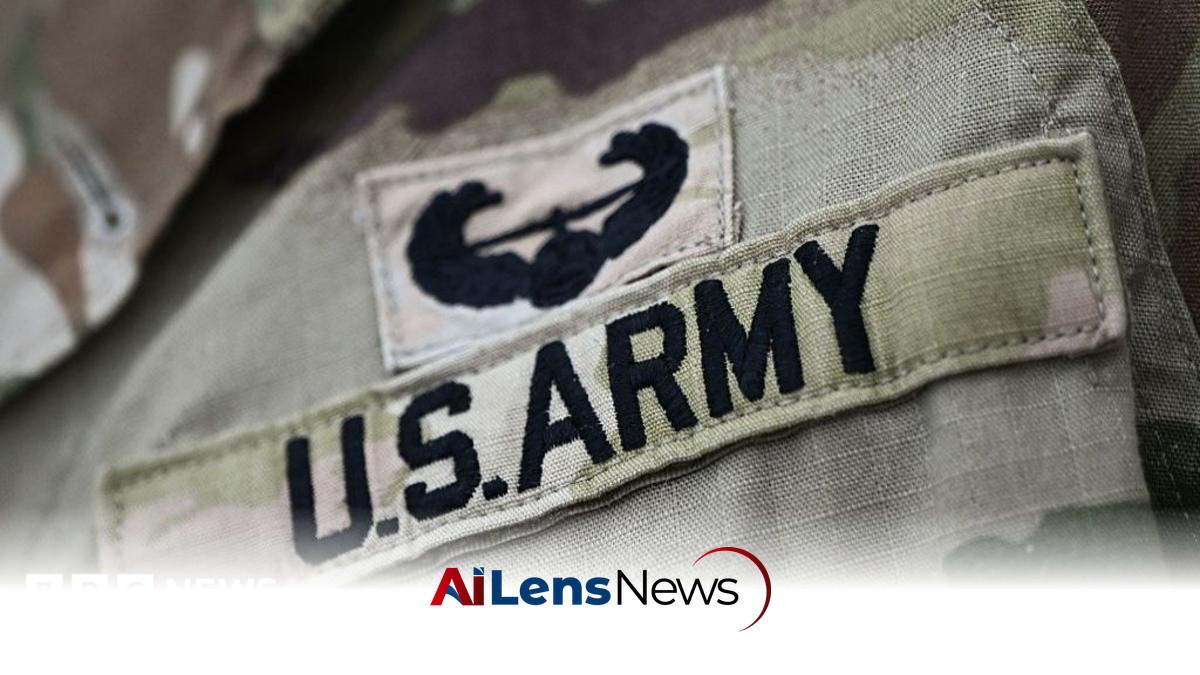


The US has withdrawn most of its troops from Nigeria after a successful joint operation against Islamic State militants, despite ongoing security challenges.
New Delhi, India Jul 3, 2026 ALN: The United States has withdrawn most of the troops it deployed in Nigeria earlier this year in an effort to help fight Islamist militant groups.
This withdrawal comes after a series of military operations aimed at combating the growing influence of jihadist groups in the region. The US and Nigerian forces launched a joint operation in December 2022, specifically targeting the Lake Chad Basin area, which has been a hotspot for militant activity. This operation included significant strikes against militant positions, notably on Christmas Day, and was followed by the deployment of approximately 200 US soldiers two months later to assist in these efforts.
One of the key achievements of this collaborative mission was the elimination of senior Islamic State (IS) leader Abu-Bilal al-Minuki, a significant figure in the jihadist hierarchy. His death was seen as a major blow to the operational capabilities of IS in Nigeria, which has been under pressure from both local and international forces. The US military reported that the operation had achieved its objectives, stating that the leadership of IS in Nigeria had been "significantly degraded." This assertion was echoed by Nigerian military spokesperson Maj-Gen Michael Onoja, who expressed confidence that the withdrawal of US troops would not hinder ongoing military efforts against jihadist groups.
Despite these military successes, the security situation in Nigeria remains precarious. Jihadist groups continue to stage attacks, particularly in northeastern Nigeria, where violence has been rampant for over a decade. The ongoing insurgency has led to the deaths of thousands and has displaced millions, creating a humanitarian crisis that the Nigerian government struggles to address. Analysts have noted that the complexity of the violence in Nigeria means that it affects individuals from various communities, although organizations monitoring political violence have pointed out that most victims of jihadist attacks are Muslims, given that these groups primarily operate in the northern regions of the country.
The relationship between the US and Nigeria regarding military cooperation has evolved over the years, particularly following accusations from Washington that Nigerian authorities were not doing enough to protect vulnerable populations from Islamist militants. In 2019, former President Donald Trump made headlines by alleging that there was a "Christian genocide" occurring in Nigeria. The Nigerian government firmly rejected this characterization, arguing that the violence is multifaceted and impacts people from all walks of life, irrespective of their religious affiliation. This disagreement highlights the challenges in addressing the narrative surrounding the violence and the need for a nuanced understanding of the situation.
In light of these complexities, the US has emphasized the importance of intelligence-sharing between the two nations. Maj-Gen Michael Onoja confirmed that this cooperation would continue despite the withdrawal of troops, indicating a commitment to maintaining strategic partnerships to combat terrorism. The US military also reiterated this point, indicating that while the number of troops deployed in direct combat roles may have decreased, the collaborative efforts to gather intelligence and support Nigerian forces would remain robust.
Earlier in 2023, the US had made a commitment to deploy around 200 troops to Nigeria, clarifying that these forces would not engage in ground combat but would provide essential support to Nigerian counter-insurgency operations. General Dagvin Anderson, the Commander of US Air Forces in Africa, has stated that the joint operations have disrupted IS's local command structure and its broader global network, thereby limiting the group's ability to communicate and coordinate attacks effectively.
Despite the withdrawal of the additional troops, it is crucial to note that some US military personnel who were already stationed in Nigeria prior to the Lake Chad Basin operation remain in the country. This ongoing presence underscores the US's continued interest in supporting Nigeria's fight against terrorism and ensuring regional stability. Major General Samaila Uba confirmed this to the BBC, indicating that while the operational focus may have shifted, the commitment to assisting Nigeria in its security challenges persists.
Nigeria faces multiple security challenges beyond the threat of Islamist militants. Banditry and criminal violence have also spread from the northern regions into parts of central and southern Nigeria, exacerbating the already dire security landscape. The proliferation of armed groups and the rise in kidnappings for ransom have created an environment of fear and instability, impacting daily life for millions of Nigerians. The government has struggled to respond effectively to these threats, leading to calls for more comprehensive strategies that address the root causes of violence and insecurity.
The humanitarian crisis in Nigeria, particularly in the northeastern region, has reached alarming levels. Over 7 million people are in need of humanitarian assistance, with food insecurity affecting millions. The United Nations has described the situation as one of the 's most severe crises, with children being particularly vulnerable to malnutrition and disease. The combination of conflict, displacement, and economic instability has created a dire need for international support and intervention.
In summary, while the withdrawal of US troops from Nigeria marks a significant moment in the ongoing fight against Islamist militancy, the challenges facing the country remain formidable. The success of military operations, such as the elimination of key IS leaders, indicates progress but does not resolve the underlying issues that contribute to the persistence of violence. The relationship between the US and Nigeria will likely continue to evolve as both nations navigate the complex landscape of security, humanitarian needs, and political dynamics in the region.
Furthermore, the implications of the US troop withdrawal extend beyond immediate military concerns. It raises questions about the future of US-Nigerian relations and the effectiveness of Nigeria's military in combating insurgency without direct US support. As the Nigerian government seeks to regain control over its territories and protect its citizens, the focus may need to shift towards more sustainable solutions that involve local communities and address the socio-economic factors that fuel extremism.
In conclusion, the US withdrawal signifies a pivotal moment in Nigeria's ongoing battle against extremist violence, but it also highlights the need for a more comprehensive approach that encompasses military, humanitarian, and developmental strategies to foster long-term stability and peace.
For more from the African continent, visit BBCAfrica.com.
To learn more about the latest developments in Wars & Conflicts, stay updated with our exclusive reports and analyses on AiLensNews.

