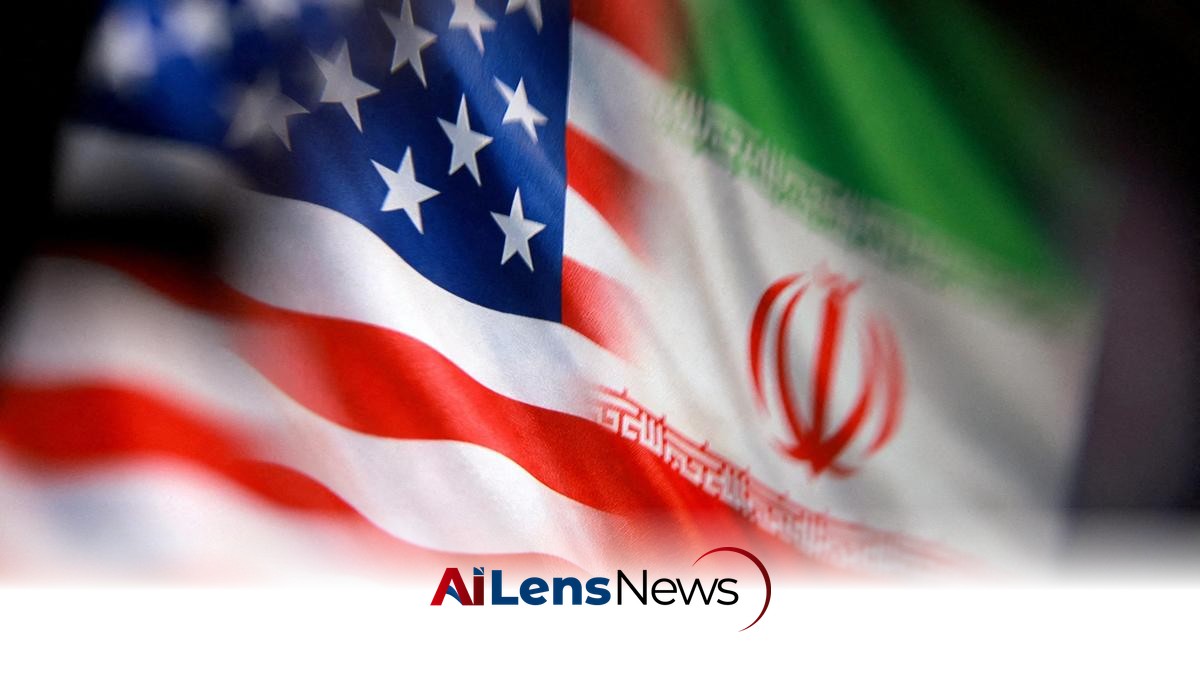


U.S. forces launched strikes on Iran following attacks on commercial vessels in the Strait of Hormuz, escalating tensions over maritime security.
Doha, Qatar Jul 8, 2026 ALN: U.S. forces launched strikes on Iran on Tuesday (July 7, 2026) after three commercial vessels were attacked in the Strait of Hormuz, the U.S. military reported. This action sharply escalates a confrontation that has already disrupted efforts to resolve the ongoing conflict in West Asia. The Strait of Hormuz is a critical maritime chokepoint through which a significant portion of the 's oil supply is transported, making it a focal point of geopolitical tensions.
According to U.S. Central Command, the "powerful" strikes were a direct response to Iranian assaults on ships navigating this vital waterway. The military emphasized that these actions would "impose heavy costs for targeting and attacking commercial shipping." The precision of the U.S. strikes indicates a calculated approach, aiming to deter further Iranian aggression while minimizing escalation into broader conflict.
Iranian state media reported multiple explosions around the strait, specifically noting incidents on the island of Qeshm, in the city of Sirik, and in the major port city of Bandar Abbas. These locations are strategically significant, with Bandar Abbas serving as a key naval base for Iran and a hub for its commercial shipping activities. The attacks on these vessels, including a reported drone strike, highlight the ongoing volatility in the region and raise concerns about the safety of maritime navigation.
In response, Iran's Foreign Ministry accused the United States of violating a memorandum of understanding previously agreed upon by both nations. The Ministry issued a warning regarding the consequences of America's breach of the treaty, asserting that Iran would take decisive measures to protect its national interests and security. This assertion underscores Iran's commitment to defending its sovereignty and maritime rights, especially in a region where it feels increasingly threatened by U.S. military presence and actions.
The U.S. strikes came shortly after Washington revoked a temporary sanctions waiver that had allowed Iran to produce, sell, and deliver crude oil and related products through August 21. This move increased pressure on Tehran as it negotiates a final settlement regarding the conflict. The sanctions regime has been a central element of U.S. policy towards Iran, aimed at curtailing its nuclear ambitions and regional influence.
A U.S. Treasury Department official confirmed the cancellation of a license announced in June, which had permitted Iran to engage in oil production and sales. This decision reflects a broader strategy by the U.S. to leverage economic pressure as a means to influence Iranian behavior and its role in regional conflicts.
"Iran's actions in the Strait were wholly unacceptable to the United States and will be met with consequences," a U.S. official stated, speaking on condition of anonymity. The official further noted that the U.S.-Iran memorandum of understanding was "entirely performance-based," warning that Tehran would only see benefits if it demonstrated "good behavior." However, U.S. negotiators are reportedly continuing to work "in good faith towards a final deal." This statement suggests a dual approach by the U.S., balancing military deterrence with diplomatic efforts to reach a resolution.
The British maritime security agency UKMTO reported that an "unknown projectile" struck a tanker overnight, igniting a fire, followed by two more vessels being hit, at least one by a drone. The use of drones in these attacks points to a growing trend in modern warfare, where asymmetric tactics are employed to target larger and more technologically advanced adversaries.
All three vessels were attacked near Oman, which had proposed a temporary transit corridor along its coastline. This initiative has been opposed by Iran, which seeks to impose fees on ships using the narrow waterway. The proposed corridor reflects Oman's attempt to mediate tensions in the region, but Iran's opposition indicates its unwillingness to concede control over such a strategically important area.
Qatar confirmed that one of the vessels involved was its LNG tanker, Al-Rekayyat, and condemned the attacks as "unacceptable" to international maritime navigation. Doha subsequently summoned Iran's deputy ambassador to lodge a formal complaint, demanding an explanation and urging Tehran to cease any actions that undermine regional security. Qatar's involvement highlights the interconnectedness of Gulf states in the face of Iranian aggression and their collective interest in maintaining maritime safety.
In a statement, Qatar's foreign ministry spokesman Majed Al Ansari asserted, "We hold Iran fully legally responsible for this attack and for any resulting damages or repercussions." Iran expressed "dismay" over Qatar's accusations, labeling them as "unacceptable." This diplomatic spat illustrates the delicate balance of power and the potential for conflict among Gulf states, particularly as they navigate their relationships with Iran and the U.S.
The recent attacks have ended a period of relative calm, reviving concerns over freedom of navigation in the Strait of Hormuz. Following a fragile ceasefire with the U.S., Iran had lifted its blockade of this crucial waterway. The Strait of Hormuz is not only vital for oil transport but also serves as a symbol of national pride and sovereignty for Iran, which views foreign military presence as an encroachment on its territorial waters.
As a result of the renewed hostilities, oil prices surged by more than two percent, reigniting fears over global energy supplies and casting doubt on the sustainability of the U.S.-Iran agreement. The fluctuations in oil prices reflect the immediate economic implications of military conflicts in the region, affecting not only producers but also consumers wide.
Andreas Krieg, a security expert at King's College London, commented, "We are now in a sensitive period where potential alternatives to an Iranian toll or fee system are being explored." He noted that Iran is sending a clear signal that no alternative will be accepted. This statement underscores the broader geopolitical struggle over the Strait of Hormuz, where economic interests and national security concerns are deeply intertwined.
Krieg further stated that tankers attempting to navigate through the Omani maritime corridor without registering with Iran would face punitive measures, describing the attacks as a "clear violation" of the ceasefire agreement and international law. The implications of these actions could lead to heightened military presence in the region, as countries seek to protect their shipping interests.
Maritime traffic had tentatively resumed after the signing of the U.S.-Iran memorandum last month. However, Iran has insisted that there will be no return to pre-war arrangements, which allowed vessels to pass freely through the strait. This insistence on new terms reflects Iran's strategy to leverage its geographical position to extract concessions from other nations.
Under the 14-point U.S.-Iran memorandum, Iran and Oman, which border Hormuz, are required to engage in discussions to define the future administration and maritime services in the waterway alongside other Gulf states. This collaborative approach aims to stabilize the region but is complicated by Iran's aggressive posturing and the U.S. military's readiness to respond to perceived threats.
Previously, Qatar had declined to mediate while Iran was launching aerial bombardments against Gulf states in retaliation for U.S.-Israeli strikes. However, Doha has since taken a more proactive role, hosting indirect talks between Iran and the U.S. last week. This shift in Qatar's diplomatic strategy indicates a recognition of the need for dialogue and negotiation in addressing the complex security challenges in the Gulf region.
To learn more about the latest developments in Wars & Conflicts, stay updated with our exclusive reports and analyses on AiLensNews.

