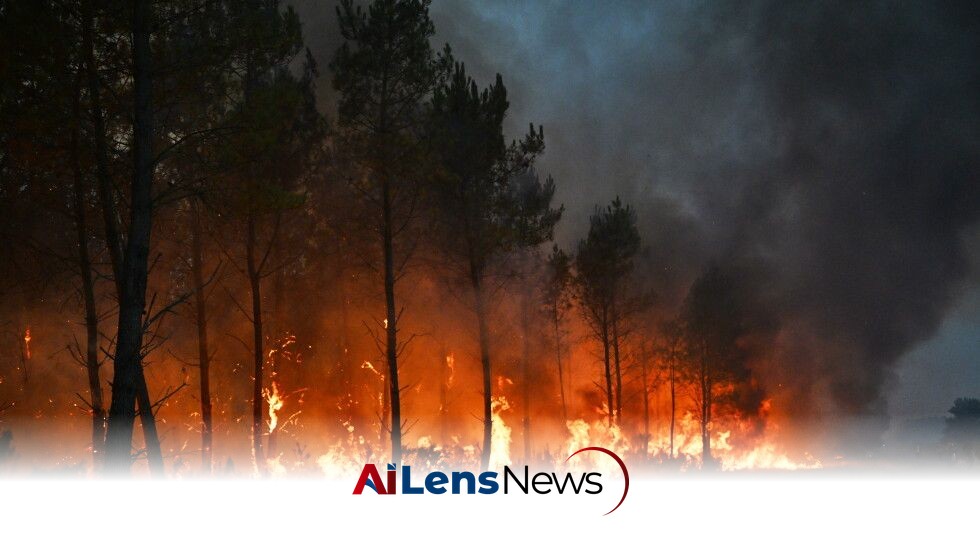


A devastating wildfire in southwest France has led to the evacuation of 250,000 people, with flames threatening the city of Bordeaux.
Washington DC, United States Jul 27, 2026 ALN: A raging wildfire in southwest France has forced the evacuation of 250,000 people as flames continue to spread dangerously close to the city of Bordeaux, a renowned wine region. The situation has escalated dramatically, with an additional 55,000 people evacuated overnight, bringing the total to 220,000 in just one area. This alarming increase in evacuations underscores the urgency of the situation as local authorities scramble to protect lives and property.
Firefighters are battling the fierce blazes in the Gironde region, where the fires have been exacerbated by extreme heat and dry conditions. The French government has mobilized additional resources, including aerial firefighting units, to combat the flames that have already consumed vast areas of forest. The Gironde region is known not only for its wine production but also for its picturesque landscapes, which are now threatened by the encroaching inferno.
The evacuation orders have affected numerous towns, with local authorities urging residents to leave their homes immediately. Emergency shelters have been set up to accommodate those displaced by the fires, and the government is coordinating efforts to ensure the safety of residents. Evacuation centers are being established in schools and community centers, providing temporary refuge for families and individuals forced to flee their homes.
“The situation is critical,” said Laurent Nunez, the French Minister of the Interior. “We are doing everything possible to protect lives and property.” This statement reflects the gravity of the ongoing crisis and the challenges faced by emergency responders. As the fires rage on, the government is also working to keep the public informed about the evolving situation through regular updates and alerts.
The proximity of the fires to Bordeaux raises concerns for the local wine industry, which is vital to the region's economy. Many vineyards are at risk, and producers are worried about the potential damage to their crops and facilities. The Bordeaux wine industry is not only a significant contributor to the local economy but also a symbol of French culture and heritage, making the stakes particularly high for local vintners.
“This is a devastating time for our industry,” said Marc Vermeulen, a local vineyard owner. “We are praying for the safety of our workers and the preservation of our land.” The impact of the wildfires on vineyards could be severe, with potential losses in both crop yield and quality. Additionally, the smoke from the fires can affect the flavor profiles of the wine, leading to long-term repercussions for vintners.
The Bordeaux region is famous for its high-quality wines, which are produced under strict regulations and standards. The destruction of vineyards not only threatens the livelihood of local grape growers but also poses a risk to the global wine market, as Bordeaux wines are highly sought after worldwide. The economic ramifications of this disaster could extend beyond the immediate area, affecting wine distributors, retailers, and consumers across the globe.
Experts have pointed to climate change as a significant factor in the increasing frequency and intensity of wildfires across Europe. The combination of rising temperatures and prolonged drought conditions has created an environment where wildfires can thrive. The Gironde region has experienced a series of hot summers, with the current weather pattern resembling those that have preceded previous devastating wildfires in the area.
“We need to take immediate action to address the underlying causes of climate change,” said Sophie Brocas, a climate scientist. “The time for debate is over; we must act now to prevent future disasters.” This call to action highlights the need for comprehensive climate policies that can mitigate the risks associated with wildfires and other climate-related disasters. As wildfires become more common, the importance of sustainable land management and forest conservation practices is increasingly recognized.
The impact of climate change on weather patterns is not just a local issue; it is a global concern. As regions around the world experience similar extreme weather events, the interconnectedness of economies and ecosystems becomes evident. Countries are beginning to recognize that effective climate action requires international cooperation and commitment to sustainable practices.
As the firefighting efforts continue, authorities are closely monitoring the weather conditions, hoping for rain to help suppress the flames. However, forecasts indicate that the hot and dry weather may persist, complicating the firefighting efforts. The long-term outlook for the region remains uncertain, and the potential for additional wildfires looms large as climate conditions continue to fluctuate.
The government has promised to provide support to affected communities and is assessing the damage once the fires are under control. For now, the focus remains on ensuring the safety of residents and containing the wildfires. The French government has also indicated that it will work closely with local municipalities to provide necessary resources and assistance to those impacted by the evacuations.
In the face of this crisis, the resilience of the affected communities will be tested as they navigate the challenges posed by the wildfires. Community leaders are organizing efforts to help displaced residents, including providing food, shelter, and emotional support. Local organizations and volunteers are stepping up to assist those in need, demonstrating the strength and solidarity of the community during this difficult time.
The wildfires in southwest France serve as a stark reminder of the increasing threat posed by climate change and the need for proactive measures to protect both the environment and human life. As the situation develops, the lessons learned from this crisis will likely shape future policies and preparedness strategies in France and beyond. The ongoing battle against wildfires emphasizes the importance of collaboration among governments, scientists, and communities to address the complex challenges posed by climate change and natural disasters.
Wildfires are not a new phenomenon in France; however, their frequency and intensity have increased in recent years. Historically, the Mediterranean regions of France have been particularly vulnerable to wildfires due to their hot, dry summers. The Gironde region itself has faced devastating fires in the past, with notable incidents occurring in the summer months when conditions are ripe for ignition.
In 2021, wildfires ravaged parts of southern France, prompting discussions about the need for improved firefighting resources and strategies. The government initiated various programs aimed at enhancing forest management and fire prevention tactics, but the scale and urgency of the current crisis indicate that more comprehensive measures are necessary.
As the current wildfires continue to unfold, it is crucial for local and national authorities to evaluate their preparedness and response strategies. This includes investing in advanced firefighting technologies, enhancing community awareness and education about fire safety, and creating more robust emergency response plans. Collaboration with environmental scientists and climate experts can also provide valuable insights into sustainable land management practices that can reduce wildfire risks.
Furthermore, international cooperation is essential in addressing the global challenges posed by climate change. Countries must share knowledge, resources, and strategies to effectively combat the increasing threat of wildfires. The lessons learned from the current crisis in France can serve as a valuable case study for other regions facing similar challenges.
In conclusion, the wildfires in southwest France are a multifaceted crisis that not only threatens lives and property but also underscores the urgent need for action on climate change. The collective response from the government, communities, and individuals will be critical in navigating the immediate challenges posed by the fires and in laying the groundwork for a more resilient future.
To learn more about the latest developments in Culture & Society, stay updated with our exclusive reports and analyses on AiLensNews.

