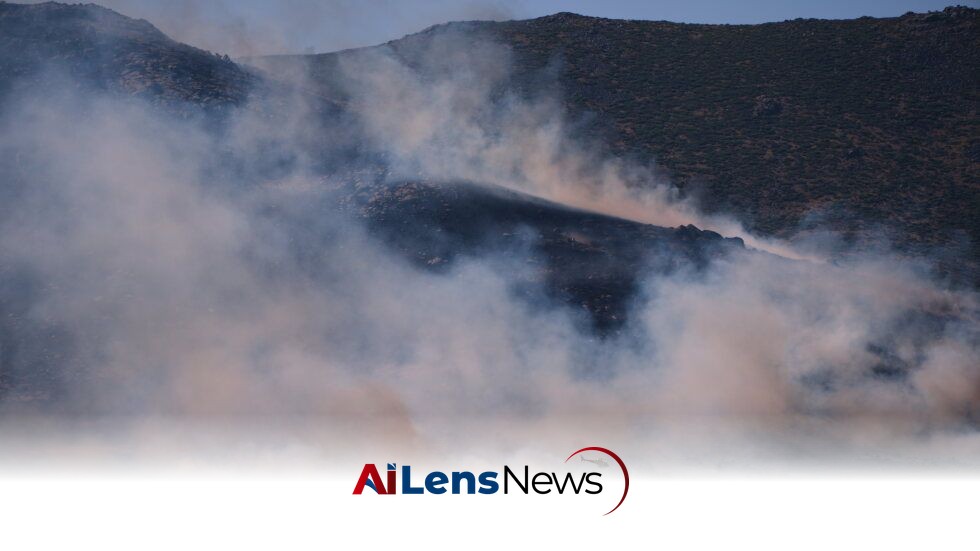


Massive wildfires in southwestern France and central Spain have led to the evacuation of around 200,000 people, with some escaping by boat.
Washington DC, United States Jul 25, 2026 ALN: Massive wildfires are currently raging out of control in southwestern France and central Spain, prompting authorities to evacuate approximately 200,000 individuals. The situation has escalated to the point where Spain declared a national emergency as wildfires forced the evacuation of around 10,000 people in the central region of Madrid. This alarming development highlights not only the immediate dangers posed by these fires but also the broader implications of climate change and environmental management in Europe.
In southern France, tens of thousands have fled their homes to escape two major blazes. The wildfires have not only threatened residential areas but have also posed risks to local infrastructure and wildlife. Emergency services are working tirelessly to control the flames and ensure the safety of residents. The scale of the evacuations is unprecedented, and local authorities have mobilized resources to assist those affected. Evacuation centers have been set up in schools, community centers, and other public buildings, providing shelter, food, and medical assistance to displaced individuals.
The rapid spread of the wildfires has forced local governments to implement emergency measures, including road closures and restrictions on public access to affected areas. This is intended to protect both residents and emergency personnel from the dangers posed by the fires. In addition to evacuating residents, authorities are also focusing on protecting critical infrastructure, such as power lines and water supply systems, which could be severely impacted by the flames.
Spanish Prime Minister Pedro Sanchez has emphasized the government's commitment to addressing the crisis, stating that resources will be allocated to combat the fires effectively. This includes deploying additional firefighters, aerial support, and equipment to the most affected areas. Furthermore, the Spanish government has called for international assistance, reaching out to neighboring countries for support in firefighting efforts. In France, local authorities are coordinating with national agencies to manage the emergency response. The French government has also announced that it will expedite funding for recovery and rebuilding efforts in the aftermath of the fires, recognizing the long-term impact these disasters can have on communities.
Both governments are also working to ensure that communication remains clear and consistent for affected residents. Regular updates are being provided through various channels, including social media, local news outlets, and community bulletins. This approach is vital for keeping residents informed about evacuation orders, safety measures, and the status of firefighting efforts.
The wildfires have disrupted daily life for many residents, with schools and businesses closing in affected areas. The psychological toll on communities is significant, as families are forced to leave behind their homes, possessions, and in some cases, their pets. Evacuation centers have been established to provide shelter and assistance to those displaced by the fires. Community support has been vital in helping individuals cope with the sudden changes, with local organizations and volunteers stepping in to provide food, clothing, and emotional support. The economic impact is also profound, as businesses face losses due to closures and reduced customer traffic, while the agriculture sector is particularly vulnerable, with crops being destroyed by the flames.
The social fabric of the affected communities is being tested as well. Neighbors are coming together to support one another, sharing resources and providing emotional support. However, the uncertainty surrounding the fires and the potential long-term displacement of residents can create stress and anxiety. Mental health services are being mobilized to assist those affected, recognizing that the aftermath of such disasters can have lasting psychological effects.
Experts suggest that climate change is exacerbating the frequency and intensity of wildfires in southern Europe. The combination of high temperatures, dry conditions, and strong winds has created a perfect storm for the spread of these devastating fires. In recent years, Europe has experienced increasingly severe heatwaves, with summer temperatures reaching record highs. This has led to prolonged dry spells, which dry out vegetation and make it more susceptible to igniting. Climate scientists warn that as global temperatures continue to rise, the likelihood of more frequent and intense wildfires will increase, posing an ongoing threat to ecosystems, human health, and safety.
Furthermore, the increase in urban development in fire-prone areas has contributed to the vulnerability of communities. As cities expand into natural landscapes, the interface between human habitation and wild areas becomes more pronounced, increasing the risk of wildfires impacting populated regions. This underscores the need for better land-use planning and fire management strategies that take into account the changing climate and its associated risks.
As firefighting efforts continue, authorities are urging residents to remain vigilant and adhere to evacuation orders. The situation remains fluid, and updates will be provided as more information becomes available. Firefighters are working around the clock, employing various strategies to contain the blazes, including controlled burns and creating firebreaks to prevent the fires from spreading further. However, the unpredictable nature of wildfires means that conditions can change rapidly, and the threat remains significant.
In conclusion, the wildfires in France and Spain serve as a stark reminder of the growing challenges posed by climate change. The response from both governments will be crucial in mitigating the impact on affected communities. As these countries grapple with the immediate aftermath of the fires, there will also be a pressing need to address long-term strategies for fire prevention and management. This includes investing in infrastructure improvements, enhancing emergency response capabilities, and implementing policies aimed at reducing greenhouse gas emissions. The lessons learned from this crisis could inform future strategies to better protect communities from the devastating impacts of wildfires, which are likely to become more common in the years to come.
Additionally, public awareness campaigns about wildfire risks and preparedness measures can play a critical role in reducing vulnerability. Educating communities about safe practices, such as creating defensible space around homes and understanding evacuation protocols, could enhance resilience against future wildfires. As climate change continues to reshape the landscape of natural disasters, proactive measures will be essential in safeguarding lives and property.
To learn more about the latest developments in Culture & Society, stay updated with our exclusive reports and analyses on AiLensNews.

