

The United States and Iran have paused their military actions after days of escalating tensions, signaling a potential de-escalation in the region.
Washington DC, United States Jul 27, 2026 ALN: The United States military has not conducted any attacks on Iran for a second consecutive day, while Iranian officials have announced a halt to their own military actions. This pause comes after a series of escalating confrontations in the region, particularly in the strategic Strait of Hormuz, which is known for its critical role in global oil transportation. The recent military standoff has drawn international attention and raised concerns about the potential for wider conflict.
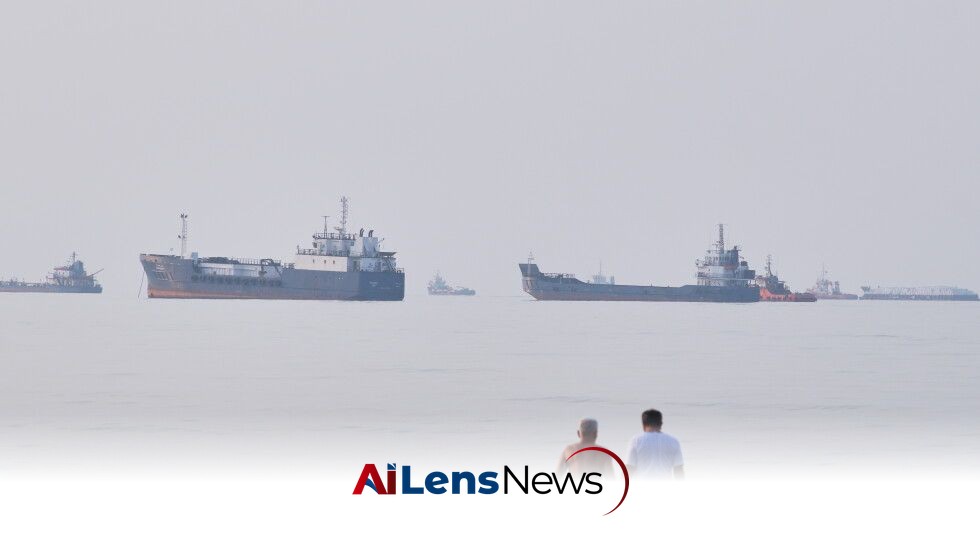
According to reports, the U.S. military had previously fired upon a merchant vessel attempting to breach its blockade of Iranian ports. This incident marks the second commercial ship to be disabled since the military reimposed its blockade in the Strait of Hormuz, a vital waterway for global oil shipments. The Strait of Hormuz is one of the most crucial chokepoints in the world, with approximately 20% of the world's oil passing through it. The blockade has raised alarm among international shipping companies and oil markets, which are sensitive to disruptions in supply. The implications of these military actions are significant, as they not only threaten the safety of commercial shipping but also have the potential to escalate into broader military confrontations.
The tensions between the U.S. and Iran have been mounting for several weeks, with both nations engaging in military posturing and rhetoric. The U.S. has accused Iran of aggressive actions in the region, including attacks on commercial vessels and threats to maritime security. In response, Iran has condemned the U.S. military presence as a threat to its sovereignty and has asserted its right to defend its territorial waters. This tit-for-tat dynamic has created an environment of distrust and hostility, making diplomatic resolutions increasingly challenging.
These tensions have historical roots, dating back to the 1979 Iranian Revolution and the subsequent U.S. Embassy hostage crisis, which led to decades of strained relations. The U.S. and Iran have been at odds over various issues, including Iran's nuclear program, its support for militant groups in the region, and its influence in neighboring countries. In recent years, the situation has been exacerbated by the U.S. withdrawal from the Joint Comprehensive Plan of Action (JCPOA) in 2018, which was aimed at curbing Iran's nuclear program in exchange for sanctions relief. The reimposition of economic sanctions by the U.S. has severely impacted Iran's economy, leading to increased hostility and military confrontations.
In addition to military actions, the rhetoric from both sides has intensified. U.S. officials have often labeled Iran as the world's leading state sponsor of terrorism, while Iranian leaders have accused the U.S. of imperialism and meddling in the affairs of sovereign nations in the Middle East. This ongoing cycle of accusations has contributed to a fragile security environment in the region. The lack of trust between the two countries has made it difficult to establish effective communication channels, further complicating efforts to de-escalate tensions.
International observers are closely monitoring the situation, as any further escalation could have significant implications for global oil markets and regional stability. The potential for conflict in the Strait of Hormuz raises concerns not only for the involved nations but also for global economies that rely heavily on oil imports. A disruption in this vital shipping lane could lead to increased oil prices and economic instability worldwide. Analysts predict that even minor skirmishes could trigger a spike in oil prices, affecting everything from transportation costs to consumer goods.
Countries that depend on oil from the Gulf region are particularly anxious about the situation. For instance, nations in Europe and Asia have expressed concern over the potential for increased energy costs, which could have a ripple effect on their economies. Additionally, other regional players, such as Saudi Arabia and the United Arab Emirates, are watching closely, as any conflict could disrupt their own oil exports and security dynamics in the Gulf. The interconnectedness of global economies means that a conflict in the Gulf could have far-reaching consequences, impacting markets and economies far beyond the immediate region.
Diplomatic efforts are underway to address the underlying issues and prevent a return to hostilities. The United Nations and various countries have called for restraint from both the U.S. and Iran. There is a growing recognition that dialogue is essential to de-escalate tensions and find a sustainable resolution to the ongoing conflict. Some nations have offered to mediate discussions, aiming to facilitate a diplomatic solution that could lead to a reduction in military actions. These mediation efforts are crucial, as they represent a potential pathway to peace in a region that has long been plagued by conflict.
Analysts suggest that the pause in military actions could provide an opportunity for diplomatic negotiations. Both sides may seek to engage in dialogue to address their grievances and find a peaceful resolution to the ongoing tensions. The halt in military operations could serve as a confidence-building measure, allowing for cooler heads to prevail and reducing the immediate risk of conflict. The international community remains hopeful that this period of restraint could lead to meaningful discussions that address not only the current military standoff but also the broader issues at play.
However, the path to diplomacy is fraught with challenges. Both the U.S. and Iran have deep-seated mistrust of each other, and any negotiations would require careful navigation of complex issues, including Iran's nuclear program, regional influence, and the status of U.S. sanctions. Additionally, hardliners on both sides may resist any moves toward compromise, fearing it could undermine their positions domestically. The political landscape in both countries is complicated, with various factions holding differing views on how to approach the conflict and the potential for compromise.
As the situation develops, the international community remains hopeful for a return to stability in the region. The potential for renewed negotiations could pave the way for a comprehensive agreement that addresses not only the immediate military tensions but also the broader issues that have long plagued U.S.-Iran relations. A peaceful resolution would not only benefit the two nations involved but also contribute to the stability of the entire Middle East, which has been marked by conflict and instability for decades. The stakes are high, and the consequences of failure to reach an agreement could be dire, impacting millions of lives and the global economy.
In conclusion, while the current pause in military actions is a positive development, it is essential for both the U.S. and Iran to take advantage of this moment to engage in meaningful dialogue. The stakes are high, and the implications of their actions extend far beyond their borders, affecting global security and economic stability. The world watches closely as both sides navigate this precarious situation, hoping for a peaceful outcome that could lead to a more stable and secure future for the region. The importance of diplomacy cannot be overstated, as it represents the best chance for lasting peace and security in a region that has experienced too much conflict already.
To learn more about the latest developments in Culture & Society, stay updated with our exclusive reports and analyses on AiLensNews.

