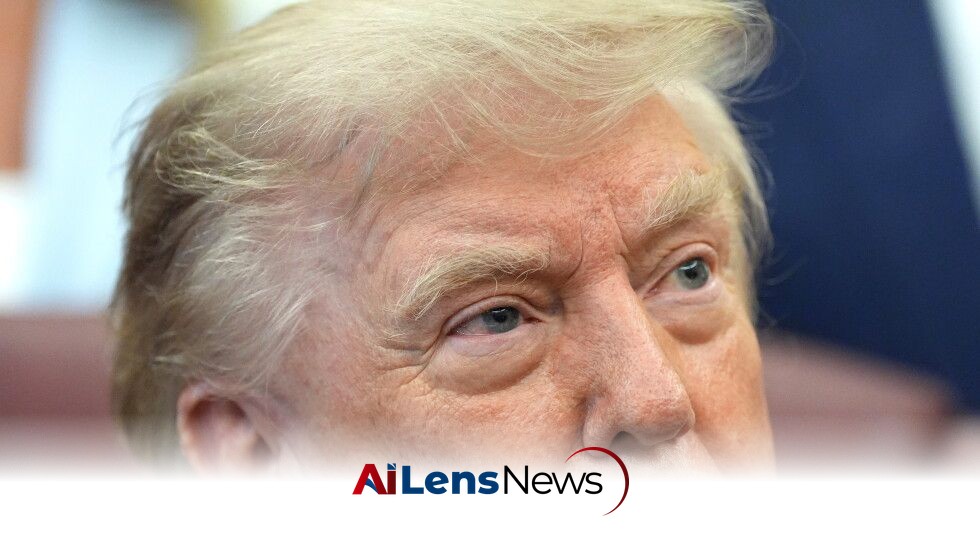


President Donald Trump emphasizes that new negotiations with Iran represent the last chance for a deal, warning of potential escalation in US military actions.
Washington DC, United States Aug 4, 2026 ALN: In a significant statement, President Donald Trump declared that the ongoing talks with Iran are the "last chance" for the nation to negotiate a deal that could prevent an escalation of U.S. military strikes. This announcement comes amid rising tensions between the two countries, with Trump indicating that he has held off on ordering new strikes at the urging of Gulf allies, including Qatar, Saudi Arabia, and the United Arab Emirates.
Trump's comments were made during a meeting focused on military families, where he expressed the importance of diplomatic efforts in addressing the situation with Iran. He noted that the input from Gulf leaders played a crucial role in his decision-making process regarding military actions. This highlights the complex geopolitical landscape in which the U.S. operates, particularly in the Middle East, where alliances and rivalries can shift rapidly.
The backdrop to these discussions includes Iran's ongoing nuclear program, which has raised alarms in Washington and among its allies. The U.S. has previously indicated that it would not hesitate to take military action if Iran continues to advance its nuclear capabilities. Trump's administration has been under pressure to find a diplomatic solution that would satisfy both domestic and international concerns. The tension surrounding Iran's nuclear ambitions has been a longstanding issue, particularly since the U.S. withdrawal from the Joint Comprehensive Plan of Action (JCPOA) in 2018, which aimed to curb Iran's nuclear program in exchange for sanctions relief.
Since the U.S. exited the JCPOA, Iran has gradually rolled back its commitments under the agreement, leading to increased tensions and concerns over its nuclear development. The International Atomic Energy Agency (IAEA) has reported that Iran has enriched uranium to levels closer to weapons-grade, a move that has alarmed not only the U.S. but also European nations that were part of the original nuclear deal. This escalation has prompted calls from various international actors for renewed negotiations to prevent a further deterioration of the situation.
As the talks progress, the stakes remain high. Failure to reach an agreement could lead to increased tensions and potential military confrontations in the region. Analysts suggest that both sides have much to gain from a successful negotiation, but the path forward remains fraught with challenges. For Iran, a successful negotiation could lead to the lifting of crippling economic sanctions that have severely impacted its economy. For the U.S., a diplomatic resolution could help stabilize the region and reduce the risk of military engagement, which has historically led to prolonged conflicts and unintended consequences.
The role of Gulf allies in this situation cannot be underestimated. Countries like Saudi Arabia and the UAE have a vested interest in curbing Iran's influence in the region, particularly given the historical rivalries and sectarian divides that characterize Middle Eastern geopolitics. These nations have often expressed concerns about Iran's support for proxy groups in the region, including Hezbollah in Lebanon and various militias in Iraq and Yemen. Their input in U.S. decision-making reflects a broader strategy of coalition-building among nations that share concerns about Iran's regional ambitions.
In related news, the U.S. has been closely monitoring Iran's activities, and any sign of aggression could trigger a swift response from American forces. The situation continues to evolve, and the international community is watching closely as the talks unfold. The potential for miscalculation on either side remains a significant risk, especially in a region that has been marked by conflict and instability for decades. Any military strike could lead to a broader conflict, drawing in various regional powers and potentially escalating into a wider war.
The implications of these negotiations extend beyond the immediate U.S.-Iran relationship. A successful diplomatic outcome could reshape the dynamics of Middle Eastern politics, potentially leading to a more stable environment. Conversely, failure to reach an agreement could solidify Iran's resolve to continue its nuclear program and may embolden hardline factions within the Iranian government, complicating any future diplomatic efforts.
Moreover, the outcome of these talks could influence U.S. relations with other key players in the region, including Israel, which has expressed strong opposition to Iran's nuclear ambitions. Israel's security concerns are paramount, and its government has consistently advocated for a strong stance against Iran, including military options if necessary. The Biden administration, which has taken a different approach to diplomacy with Iran than the previous administration, is also weighing its options in light of these developments.
In conclusion, the upcoming negotiations represent a pivotal moment for U.S.-Iran relations, with the potential to either pave the way for peace or escalate into conflict. The world awaits the outcome of these critical discussions, as they hold significant implications not only for the involved parties but for global security and stability in the Middle East. The stakes are high, and the path to a peaceful resolution is fraught with challenges, but the necessity for dialogue remains paramount in the quest for a sustainable solution to one of the most pressing geopolitical issues of our time.
The history of U.S.-Iran relations is marked by a series of confrontations and attempts at diplomacy, beginning with the 1979 Iranian Revolution, which resulted in the overthrow of the U.S.-backed Shah and the establishment of the Islamic Republic of Iran. This event set the stage for decades of mutual distrust, characterized by incidents such as the Iran Hostage Crisis, the Iran-Iraq War, and various proxy conflicts across the region. Over the years, the U.S. has imposed numerous sanctions on Iran, aimed at curbing its nuclear ambitions and regional influence.
The JCPOA, established in 2015, was seen as a landmark agreement that aimed to limit Iran's nuclear program in exchange for relief from economic sanctions. However, the U.S. withdrawal from the agreement in 2018 under the Trump administration marked a significant turning point, leading to increased tensions and Iran's gradual abandonment of its commitments under the deal. The current negotiations are, therefore, not only about nuclear issues but also about restoring a diplomatic framework that has been severely strained.
As the negotiations unfold, the international community remains divided on the best approach to take towards Iran. While some countries advocate for continued diplomatic engagement, others, particularly Israel and some Gulf states, push for a more aggressive stance. This divergence of opinions complicates the situation further, as the U.S. must navigate these differing perspectives while attempting to forge a consensus that addresses the concerns of its allies while also pursuing its own national interests.
In addition, the potential for domestic political implications in both the U.S. and Iran cannot be overlooked. In the U.S., the administration's approach to Iran is likely to be scrutinized by both supporters and opponents, influencing the broader political landscape as the 2024 presidential election approaches. In Iran, hardliners may view any concessions made during negotiations as a sign of weakness, potentially undermining the moderate factions within the government that advocate for engagement with the West.
Ultimately, the outcome of these negotiations could set a precedent for future diplomatic efforts, not only regarding Iran but also in addressing other regional conflicts. The ability to successfully navigate the complexities of U.S.-Iran relations may serve as a model or a cautionary tale for future administrations faced with similar challenges. As the world watches closely, the importance of sustained dialogue and a commitment to finding common ground remains crucial in the pursuit of peace and stability in the Middle East.
To learn more about the latest developments in Culture & Society, stay updated with our exclusive reports and analyses on AiLensNews.

