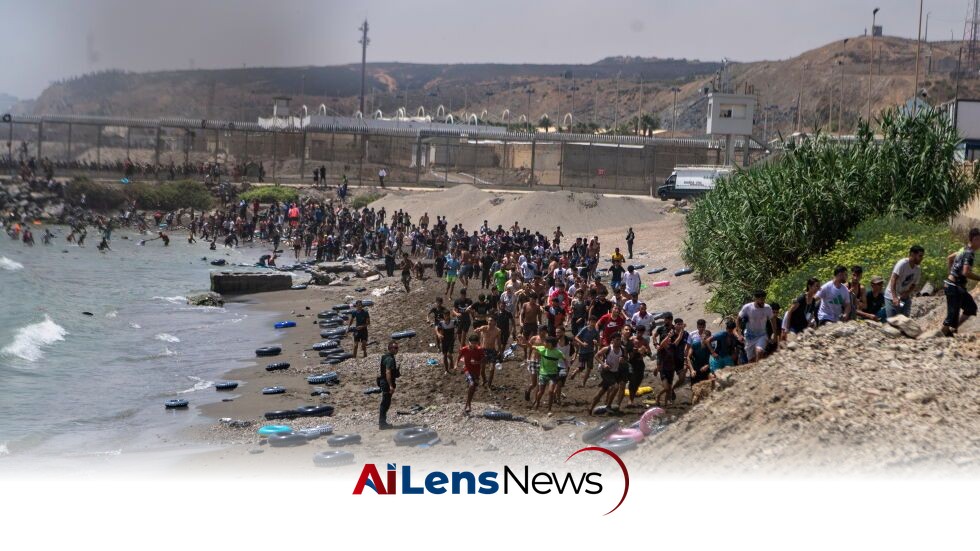


Ceuta, a Spanish enclave in North Africa, faces a surge in migrant arrivals from Morocco, leading to tragic fatalities and calls for government intervention.
Washington DC, United States Jul 31, 2026 ALN: Ceuta, a small Spanish territory located on the northern coast of Africa, has recently seen a significant increase in the number of migrants arriving from Morocco. This surge has raised alarms among local officials and prompted urgent requests for assistance from Spain's national government. The situation in Ceuta is emblematic of broader migration trends affecting Europe, particularly as various geopolitical and economic factors continue to drive individuals to seek refuge or better opportunities abroad.
In the past few days, thousands of migrants have made the perilous journey across the water to Ceuta, with reports indicating that at least nine individuals have lost their lives in the attempt. The local authorities are grappling with the challenges posed by this influx, which has overwhelmed existing resources and raised concerns about border security. The Mediterranean Sea, known for its treacherous conditions, has become a graveyard for many who attempt this journey, and the recent fatalities highlight the urgent need for safer migration pathways.
Local officials in Ceuta have called for immediate support from the Spanish government in Madrid to help manage the situation. They are seeking additional resources to restore order at the border and ensure the safety of both migrants and residents. The exact reasons behind this sudden spike in crossings remain unclear, but it highlights ongoing issues related to migration and border control in the region. Factors such as economic instability in Morocco, political unrest, and the ongoing impact of climate change are driving many individuals to embark on this dangerous journey. Local leaders have expressed concerns that without a coordinated response, the situation could escalate further, leading to more tragic losses.
Ceuta is one of two Spanish enclaves located on the African continent, the other being Melilla. It serves as a significant entry point for migrants attempting to reach Europe from Africa. The enclave's geographical position makes it a focal point for migration, often leading to tense situations at the border. Ceuta's history as a trading post and its strategic location have made it a melting pot of cultures, but it has also become a battleground for immigration policy. The Spanish government, along with the European Union, has long grappled with how to effectively manage migration flows while upholding human rights and ensuring border security.
Historically, Ceuta has experienced waves of migration, particularly during times of economic hardship in surrounding regions. The migrant population often includes individuals from sub-Saharan Africa, as well as those fleeing conflict zones in the Middle East. The challenges faced by these migrants are compounded by the complex legal and political landscape surrounding immigration in Europe, which often leaves individuals in precarious situations.
The geopolitical context surrounding migration in Ceuta is complex and multifaceted. The relationship between Spain and Morocco plays a crucial role in shaping migration patterns. Morocco has been both a source of migrants and a transit country for those seeking to reach Europe. The Moroccan government has, at times, cooperated with Spain and the European Union to control migration flows, but this cooperation can be inconsistent, particularly during periods of political tension.
Additionally, the broader economic conditions in North Africa significantly impact migration. High unemployment rates, particularly among young people, coupled with limited opportunities for education and advancement, compel many to seek better prospects in Europe. Furthermore, political instability in the region, including unrest in neighboring countries, has led to increased numbers of individuals fleeing their homes in search of safety and stability.
As the situation develops, it is crucial for both local and national authorities to address the underlying causes of migration and implement effective strategies to manage future arrivals. The tragic loss of life underscores the urgent need for comprehensive solutions to the challenges faced by migrants and the communities they seek to enter. This includes not only immediate humanitarian aid but also long-term strategies that address the root causes of migration, such as poverty, lack of opportunity, and political instability.
In response to the recent surge, Spain's national government may need to consider enhancing border security measures while also ensuring that humanitarian protections are in place for those in need. The balance between security and compassion is a delicate one, and the international community is watching closely as Spain navigates this complex issue. Additionally, collaboration with Morocco and other North African countries will be essential in managing migration flows and ensuring that migrants are treated with dignity and respect.
Furthermore, the European Union's role in addressing the migration crisis cannot be overstated. As member states grapple with the implications of migration on national security and social cohesion, a unified approach that respects human rights while addressing legitimate security concerns is paramount. The situation in Ceuta serves as a microcosm of the challenges faced across Europe, where migration remains a contentious and polarizing issue.
The EU has implemented various policies aimed at managing migration, including funding for border protection and agreements with third countries to control migrant flows. However, these measures often face criticism for prioritizing security over humanitarian considerations. The ongoing debate surrounding the EU's migration policy highlights the need for a more balanced approach that considers the rights and needs of migrants while addressing the legitimate concerns of member states.
The implications of increased migrant arrivals extend beyond border security and national policy; they also significantly impact local communities in Ceuta. The sudden influx of individuals can strain public services, including healthcare, housing, and education. Local residents may express concerns about competition for resources and the potential for social tensions to arise. It is essential for local authorities to engage with communities to foster understanding and cooperation, ensuring that both migrants and residents can coexist peacefully.
Community organizations and non-profits play a vital role in supporting migrants and facilitating their integration into society. By providing essential services, such as legal assistance, language courses, and job training, these organizations help migrants adapt to their new environment and contribute positively to the community. A collaborative approach that includes local residents, migrants, and support organizations can help mitigate potential conflicts and promote social cohesion.
In conclusion, the recent spike in migrant arrivals in Ceuta serves as a stark reminder of the ongoing migration crisis affecting many regions around the world. It calls for a coordinated response that prioritizes human rights and safety. The international community must come together to find sustainable solutions that not only address immediate needs but also foster an environment where individuals are not forced to undertake dangerous journeys in search of a better life. The road ahead will require empathy, cooperation, and a commitment to upholding the dignity of all individuals, regardless of their circumstances.
To learn more about the latest developments in Culture & Society, stay updated with our exclusive reports and analyses on AiLensNews.

